
























































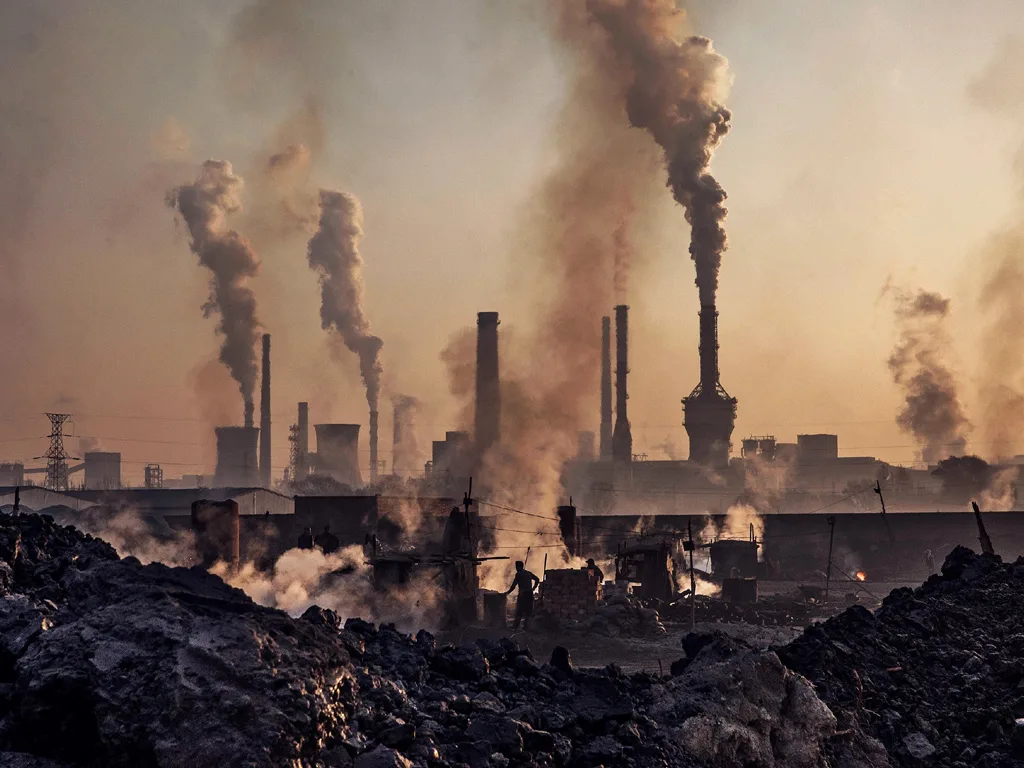
The Environmental Protection Authority (EPA) Ghana has collaborated with Columbia University to track air pollution levels across the country using satellite and machine learning technology.
The agency announced the collaboration in a statement, saying it will deploy the Gridded Africa Surface Pollution (GRASP) dataset to monitor fine particulate matter, PM2.5, nationwide.
GRASP is a satellite and machine learning dataset that allows tracking of air pollution even in areas without ground-based monitors.
According to the EPA, the partnership will provide more complete air quality data for all of Ghana and deliver science-backed evidence to support cleaner air policies.
It will also help build a national record of the country’s environmental progress.
The agreement is being formalized through a Memorandum of Understanding (MoU) with Columbia University’s Lamont-Doherty Earth Observatory.
The EPA said the move supports “science-driven decisions for a healthier Ghana.”