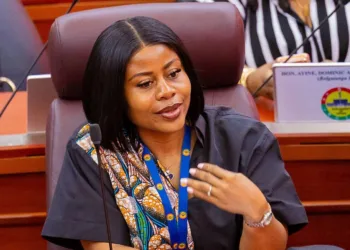

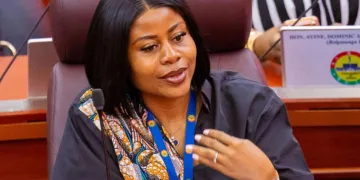















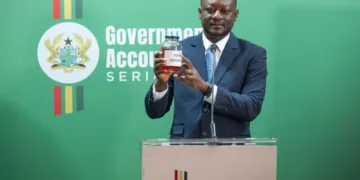
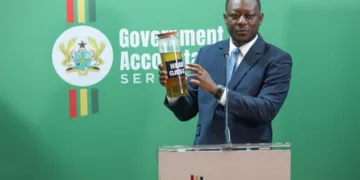


























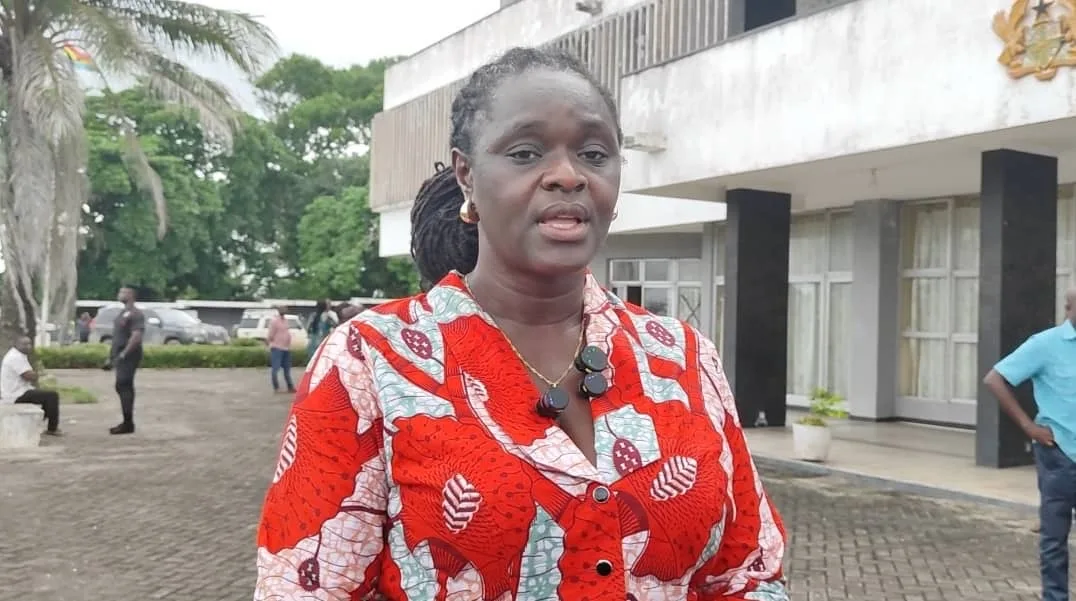
The Chief Executive Officer of the Environmental Protection Agency (EPA), Prof. Nana Ama Browne Klutse, has attributed the recurring flooding in Accra to indiscriminate plastic waste disposal and the construction of buildings on waterways.
According to Prof. Klutse, although heavy rainfall contributes to flooding, human activities such as blocking drainage channels and dumping waste into waterways are major factors worsening the situation.
She explained that flooding in Accra is caused by three main factors: heavy rainfall, the obstruction of natural water pathways through illegal construction, and the dumping of plastics and styrofoam into drains and water bodies.
“The heavy rain is one of them. We also see that the pathways for water to flow into major rivers and wetlands are blocked because people have built on waterways. Another difficulty we have is the styrofoam, plastics, and other waste materials dumped into flowing waters that are supposed to drain into the sea. These choke the pathways and prevent water from flowing freely,” she said.
Prof. Klutse noted that while heavy rainfall cannot be prevented, measures can be taken to ensure that drains remain free of waste to allow water to flow without obstruction.
She disclosed that the EPA, with the support of President John Dramani Mahama, will continue to enforce the ban on styrofoam and gradually engage stakeholders on plans to ban single-use plastics across the country.
According to her, the move is expected to significantly reduce flooding, particularly in Accra and other major cities, if Ghanaians cooperate and support the enforcement measures.
“If we agree on the ban and Ghanaians cooperate with us, by May, June, and July next year, we believe we will not see flooding in our waterways and major cities as we do today,” she stated.
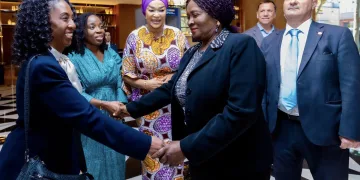
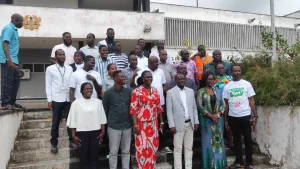
Prof. Nana Ama Browne Klutse made these remarks during a courtesy call on the Western Regional Coordinating Council while visiting the Western Regional Minister, Joseph Nelson.
Source: Nana Fynn/angelonline.com.gh