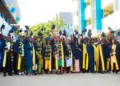

































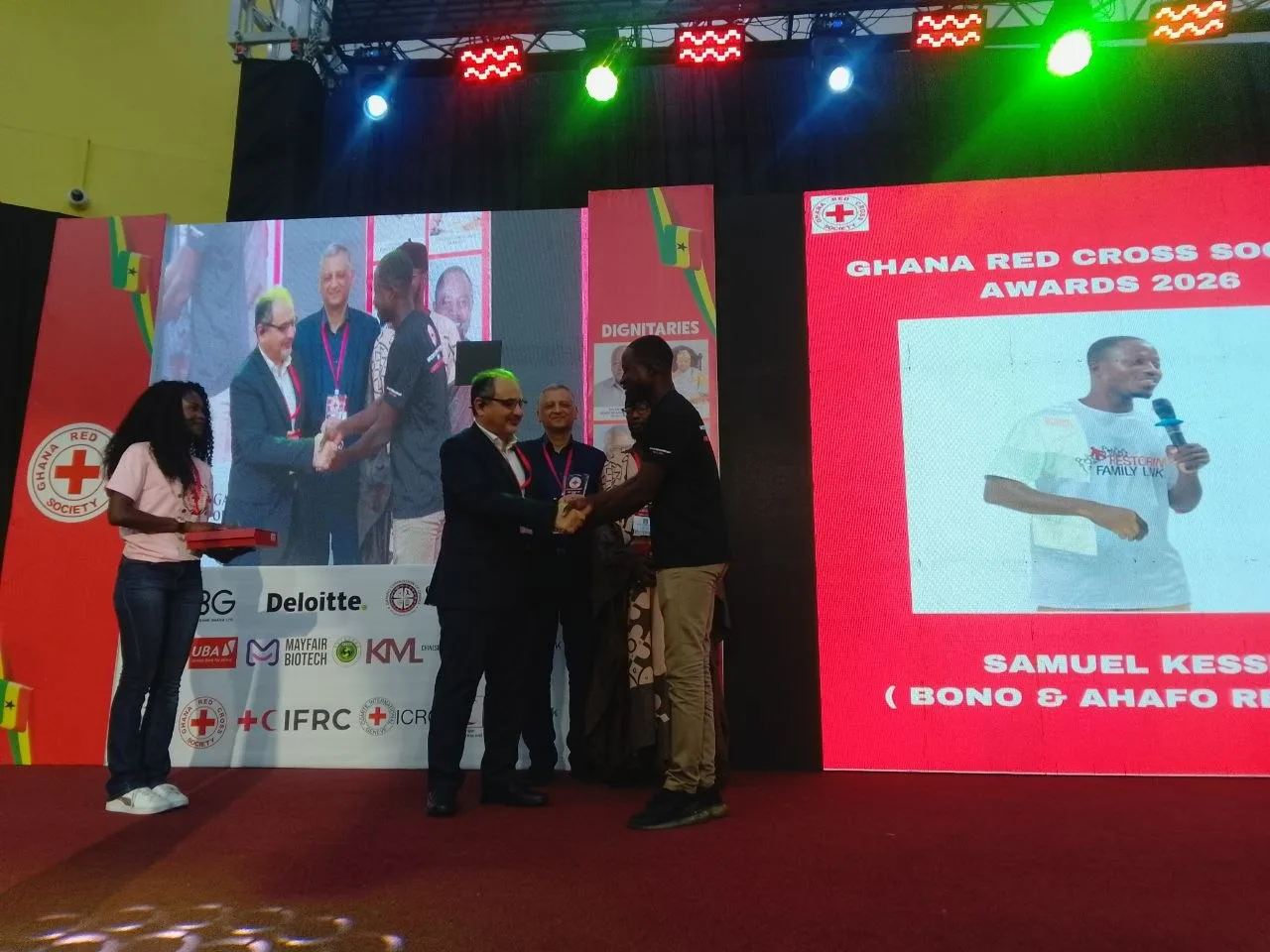
The Ghana Red Cross Society (GRCS) commemorated World Volunteer Day 2026 by celebrating the hard work and dedication of volunteers across the country.
The event took place at the Ghana College of Physicians on Friday, 8 May 2026, under the theme “United in Humanity”.
 As a leading humanitarian organisation, the GRCS is dedicated to saving lives, reducing vulnerability, and promoting human dignity throughout Ghana.
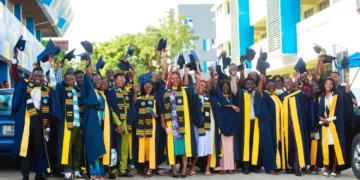
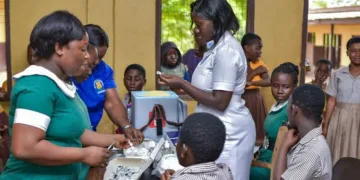
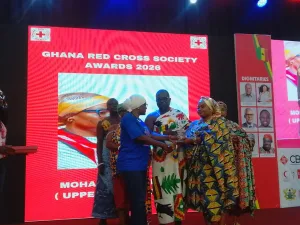
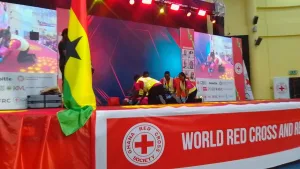
The celebration featured speeches from prominent dignitaries, demonstrations by schools on first aid application, performances by members, and an awards ceremony.
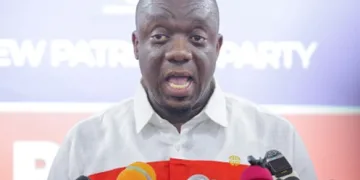
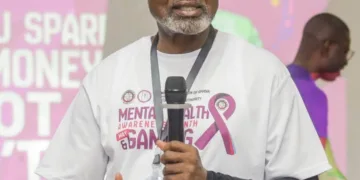
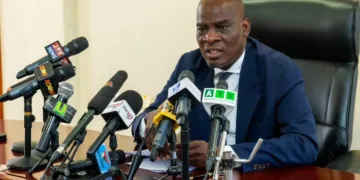
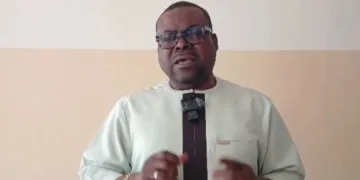
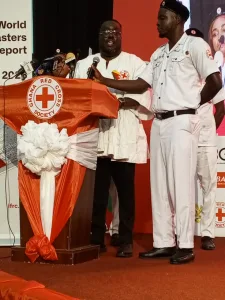
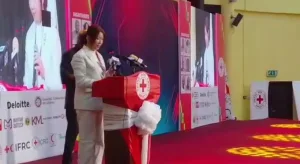
In his State of the Society address, GRCS President Dr Edward Donkor highlighted the organisation’s achievements in serving humanity over the years.
He emphasised that, in response to changing circumstances, society has progressed beyond emergency reaction to strengthening resilience and sustainable recovery.
“In responding to these evolving realities, our work has moved beyond emergency reaction to building resilience preparedness, and long-term recovery our operational footprint across the country reflects this shift,” he said.
Dr Donkor referenced the Apiate explosion, describing it not merely as a disaster but as a national trauma, with entire households wiped out.
He added that the GRCS moved beyond the traditional model of relief distribution by providing integrated emergency assistance, including shelter, food, and essential supplies.
He also cited the Akosombo spillage, which demonstrated how climate risks can rapidly evolve into human crises, displacing thousands and disrupting livelihoods.
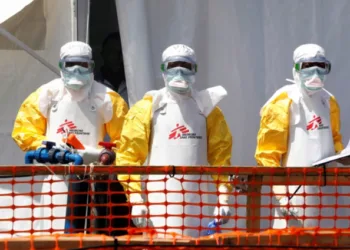
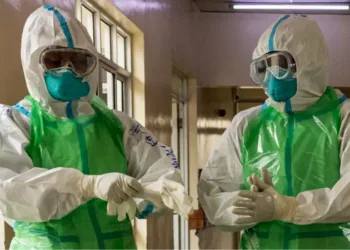
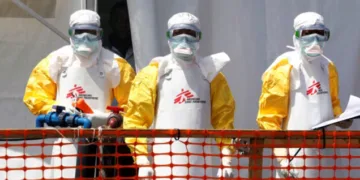
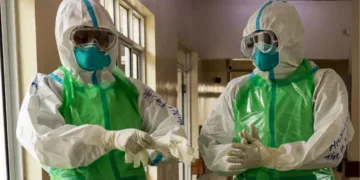
“Our response unfolded in phases, immediate relief through emergency shelter and safe water provision to stabilization through hygiene protection and camp coordination. In the face of recent cholera outbreaks with over 1700 suspected cases across more than 30 districts, we extended our help to the needy.
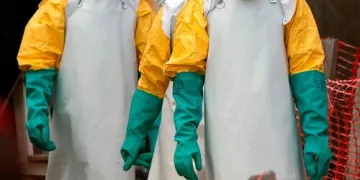
“When MPOX cases began to emerge our approach reflected a strategic shift, rather than waiting for escalation we activated preparedness mechanism.
“We developed a national contingency framework trained volunteers in community-based resilience and strengthened communication systems to counter misinformation.”
Dr Donkor reiterated that this marks a transition from reactive humanitarianism to anticipatory action, an approach that will define the future of effective response.