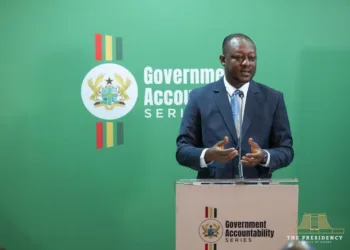















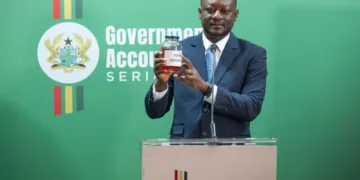





































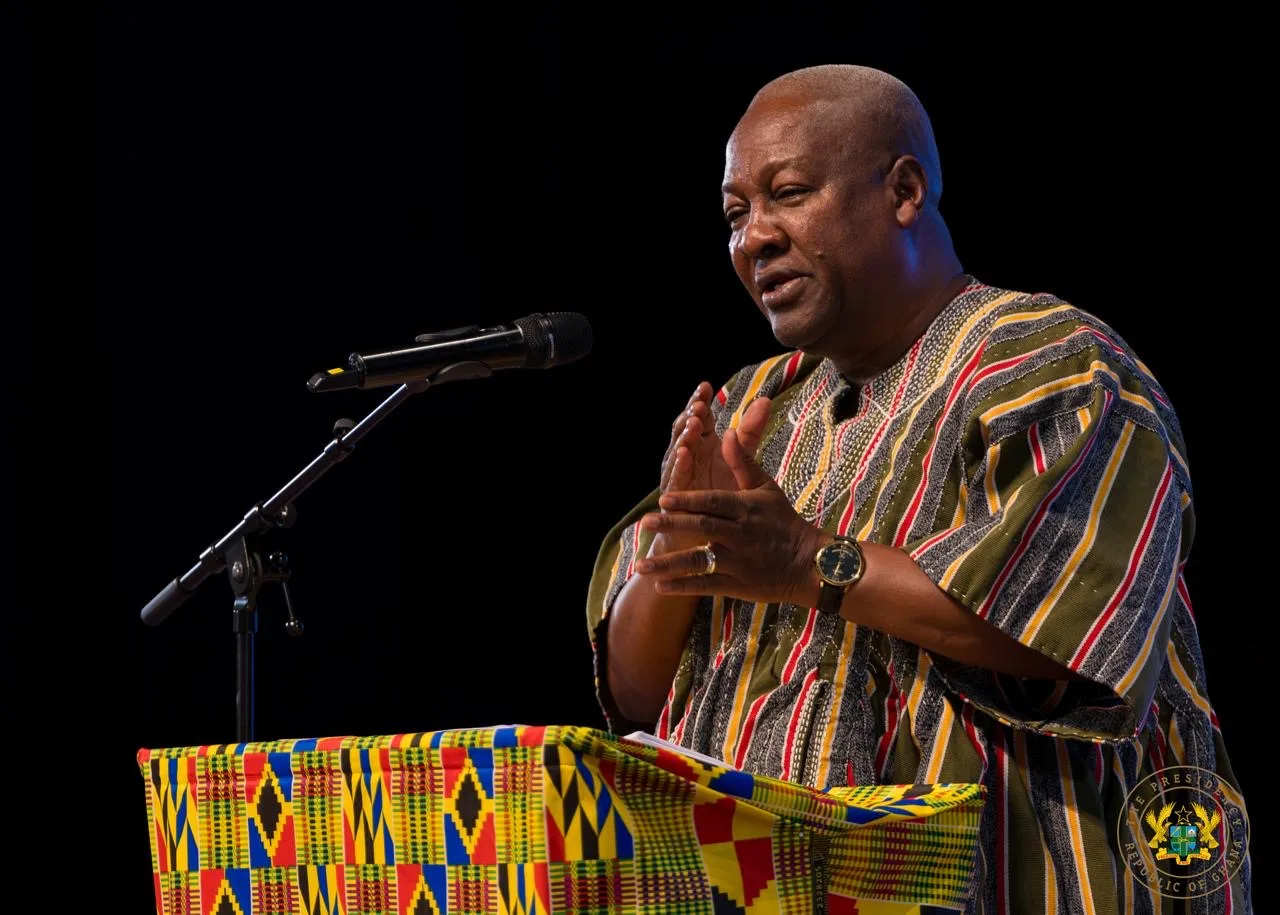
President John Dramani Mahama has announced plans by government to introduce a Local Content Bill that will reserve mining-related contracts for Ghanaian companies as part of efforts to increase local participation and retain more benefits from the country’s natural resources.
According to the President, the move is aimed at ensuring that Ghanaians benefit more from activities in the mining sector instead of allowing most of the profits from support services to leave the country.
Speaking during an engagement with members of the Ghanaian community in the United Kingdom on Sunday, May 31, 2026, Mr. Mahama noted that Ghana has trained enough professionals and developed capable local firms that can undertake mining support services.
“We are also passing a Local Content Bill. That means all the ancillary work and subcontracting in mining must be given to Ghanaian companies,” he stated.
The President explained that for many years, some mining companies awarded contracts to foreign subsidiaries and affiliated companies, limiting opportunities for local businesses and reducing the economic benefits available to Ghanaians.
He said services such as hauling, drilling, blasting and other support operations in the mining industry should be handled by Ghanaian-owned companies.
“Ghana has more than enough geologists, civil engineers and companies capable of doing all that subcontracting. The mining companies should do the mining and make their profits, but the subcontracting work must be done by Ghanaian companies,” he added.
Mr. Mahama stressed that the policy will help keep a significant portion of mining revenue within the country, create jobs and strengthen local businesses.
He said the initiative forms part of broader government efforts to increase local value creation, promote industrial growth and ensure that Ghana derives maximum benefit from its mineral resources.
The President reaffirmed government’s commitment to implementing reforms that will make the mining sector more beneficial to citizens while supporting sustainable economic development.
Source: Mubarak Yakubu