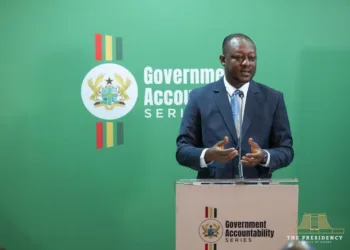





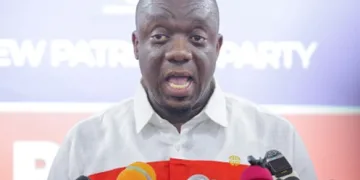
























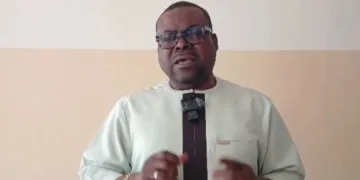















A Presidential Aide, Dr. Samuel Ayeh, has expressed dismay over the decision by doctors and nurses at Komfo Anokye Teaching Hospital (KATH) to go on an industrial strike in solidarity with their suspended Chief Executive Officer (CEO).
He stated that while their grievances might be valid, laying down their tools at this stage is “premature and exaggerated.”
According to Dr. Ayeh, Ghana’s Labour Law provides standard procedures that guide the declaration of strikes, procedures he claims are missing in this case.
“I have listened to my senior colleagues at KATH, and I will say they are right in their explanation, but I also think that their responses have been a bit exaggerated. Why do I say so? Ghana’s Labour Law states that even if there is a cause for industrial action, there are processes that start with negotiations, then mediation, before arbitration, where an award determines which party is right or wrong.
“Here, if you disagree with the arbitration process, you have the opportunity to initiate court action after seven days of serving notice. Did that happen? How did they bypass all these stages within this short period to declare a strike, even if they have the right to do so?” he asked.
He reiterated his stance against the striking health workers and questioned why they are not reconsidering their actions, especially since the CEO Dr. (Med) Paa Kwesi Baidoo has admitted fault in what led to his suspension.
“I respectfully urge my senior colleagues, who are my sisters and brothers, that the matter is only about investigating and not about sacking. The person you are fighting for, citing harshly in the suspension, has admitted to his error and has gone against presidential directives.
“So I believe their decision to strike is premature, exaggerated, and unjustified in this context,” Dr. Ayeh emphasised on Angel TV, Tuesday, June 9, 2026.
The doctor, a member of the government’s communications team, also expressed concerns about the potential impact on patients.
“When this happens, it is we, the innocent Ghanaians, who suffer. Are we willing to sacrifice the health and lives of our people on the altar of a state institution exercising discretionary power over its administration?
He indicated that “In the past, strikes by nurses and doctors signified major issues, but nowadays, even small issues like suspensions, which do not directly involve labor disputes, often lead to threats of strikes.”