


The National Insurance Commission (NIC), together with key players in Ghana’s insurance industry, has called on Ghanaians to take proactive steps to protect their homes, businesses and other valuable assets against flood-related losses through insurance.
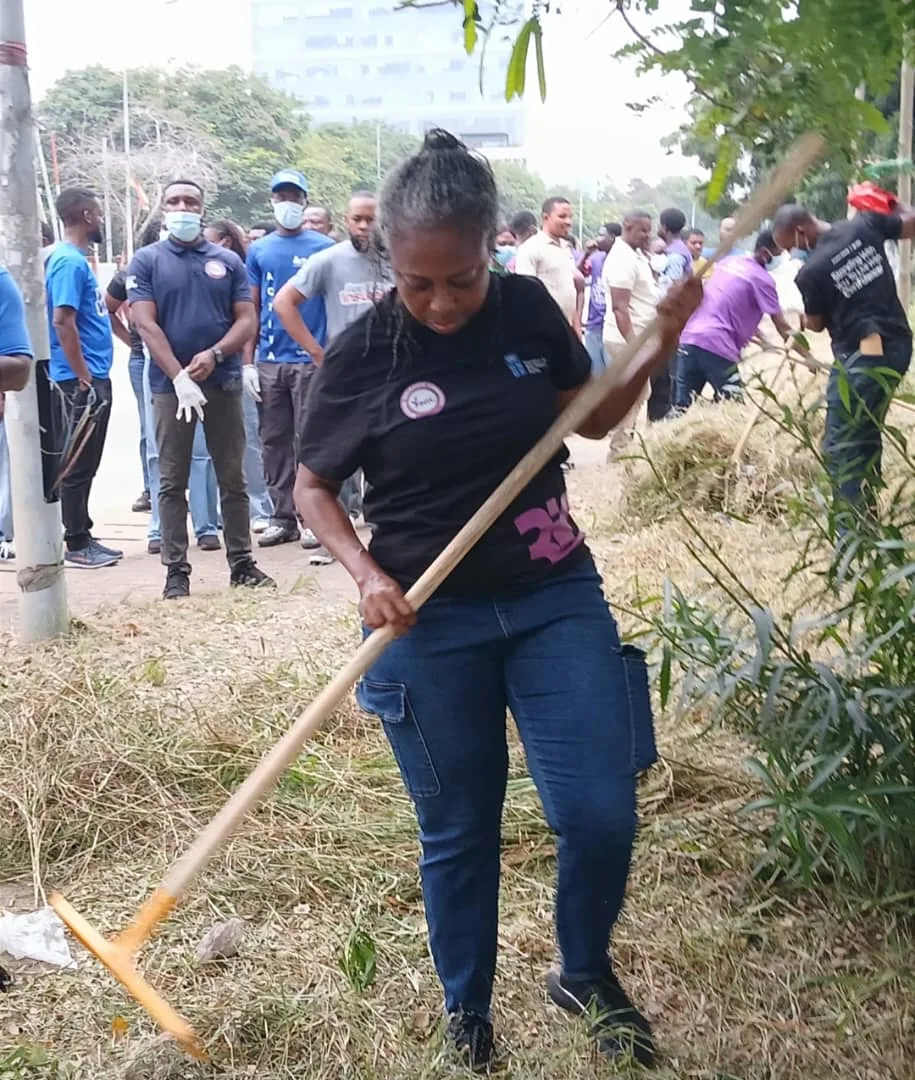
The call was made during the national flood aftermath clean-up exercise held on Friday, July 10, 2026, around the Ako Adjei Interchange and the Headquarters of the Ghana Immigration Service in Accra, as part of the nationwide initiative directed by His Excellency President John Dramani Mahama following the devastating floods of June 29.
Leading the insurance industry’s participation, the Acting Commissioner of Insurance, Dr. Abiba Zakariah, said the industry’s role extends beyond compensating policyholders after disasters to promoting risk prevention and building national resilience.
“We have a responsibility not only to support people when they suffer losses, but more importantly, to help them prevent those losses in the first place,” she said.
Dr. Zakariah assured policyholders affected by the floods that insurers are putting in place special claims support desks to facilitate faster processing and settlement of valid claims.
“For those who are insured, we are establishing dedicated support desks to ensure that their claims are handled promptly. Our objective is to provide timely compensation so that affected individuals and businesses can recover quickly and continue with their lives,” she stated.
She encouraged Ghanaians who are yet to purchase insurance to reconsider its importance, describing insurance as an essential financial protection tool rather than a luxury.
“Insurance is not only for those who can afford it or have a choice. It is a protection mechanism against unforeseen events. Life is unpredictable, and when unexpected losses occur, insurance provides the financial support needed to recover.
“Just as communities come together to support one another during difficult times, insurance allows us to collectively contribute so that those who suffer losses can receive assistance when they need it most,” she explained.
The Acting Commissioner further indicated that the industry would intensify efforts to improve insurance awareness and accessibility, enabling more Ghanaians to benefit from financial protection against disasters and other unforeseen events.
She also extended heartfelt condolences to all those affected by the June 29 floods and commended individuals, institutions and organizations participating in the national clean-up exercise.
“We pray that as a nation, we will be better prepared before future rainy seasons through improved planning, environmental responsibility and adequate financial protection,” she added.
Also participating in the exercise was the Managing Director of Ghana Reinsurance PLC, Mr. Seth Kobla Aklasi, who dismissed the long-held misconception that insurance companies do not honour claims.
“There is a perception that insurers do not pay claims, but that is simply not true. Today, insurance companies are increasingly competing on the speed and efficiency with which they settle legitimate claims,” he said.
Mr. Aklasi encouraged property owners to insure their assets, noting that comprehensive insurance protection remains affordable relative to the value of the assets being protected.
“If you own property worth one million Ghana cedis, the annual premium to insure it may be approximately GH¢2,000. For such a relatively small amount, you can receive significant financial support should your property be damaged by events such as flooding or the collapse of boundary walls,” he explained.
The Managing Director and Chief Executive Officer of Impact Life Insurance, Mr. Gideon Ataraire, emphasized the need for long-term planning and collective responsibility in addressing the recurring impact of floods.
“We should not wait until disaster strikes before taking action. The recent floods should serve as a reminder that we must prepare ahead of future rainy seasons. Communities should keep their surroundings clean, organizations should support environmental sanitation initiatives, and corporate social responsibility programmes should focus on building safer and more resilient communities,” he said.
He stressed that sustained collaboration among government, businesses and citizens remains essential to reducing the devastating impact of flooding across the country.
The insurance industry’s participation in the national clean-up exercise reflects its commitment not only to providing financial protection through insurance but also to supporting national efforts aimed at disaster risk reduction, environmental sanitation and community resilience.


