






























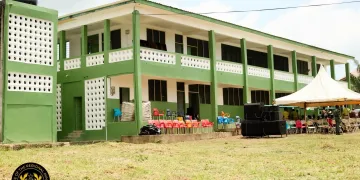



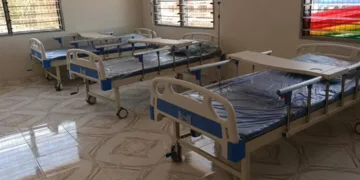
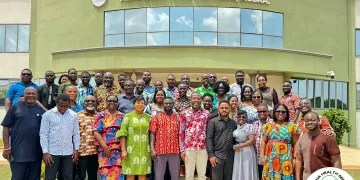
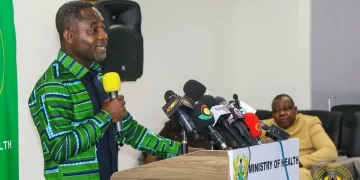




















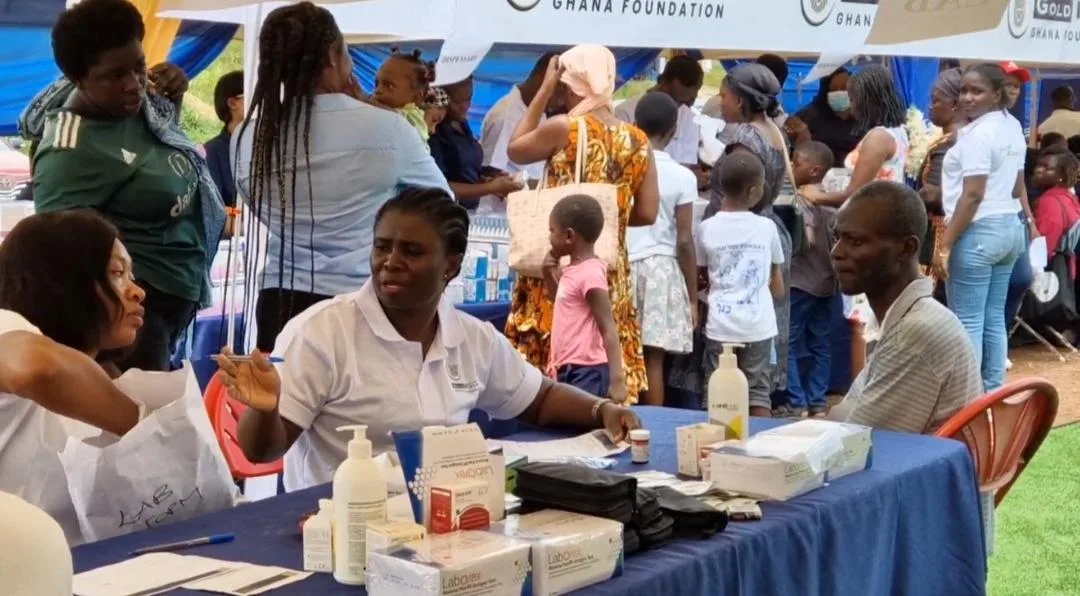
A medical outreach programme in Tarkwa has revealed increasing cases of chronic diseases and suspected opioid abuse among residents in mining communities, raising concerns about the health of people in the area.
The programme was organized under the HEAL Programme by the Gold Fields Ghana Foundation together with the Society of Family Physicians of Ghana and the National Health Insurance Authority (NHIA). It covered free health screening, treatment, medication, counselling, as well as free registration and renewal of NHIS cards to about 1,000 people.
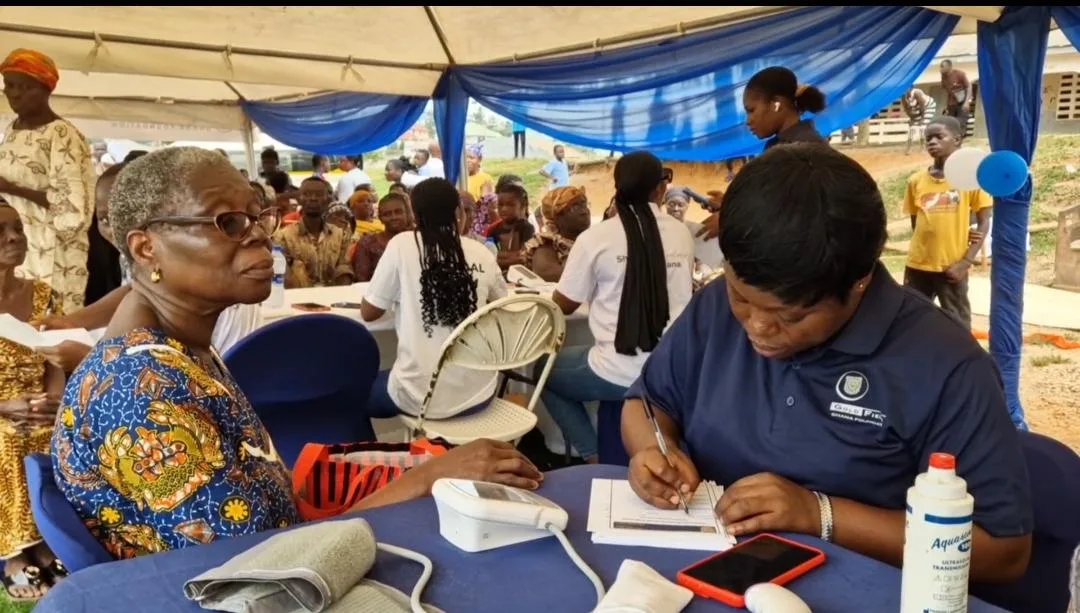
The Executive Secretary of the Gold Fields Ghana Foundation, Abdel Razak Yakubu, explained that the outreach programme had become a quarterly exercise because of the worrying health conditions being recorded in the host communities.
According to him, previous screenings have shown increasing cases of hypertension, diabetes, joint-related diseases, and drug abuse, particularly opioid use, among the youth.
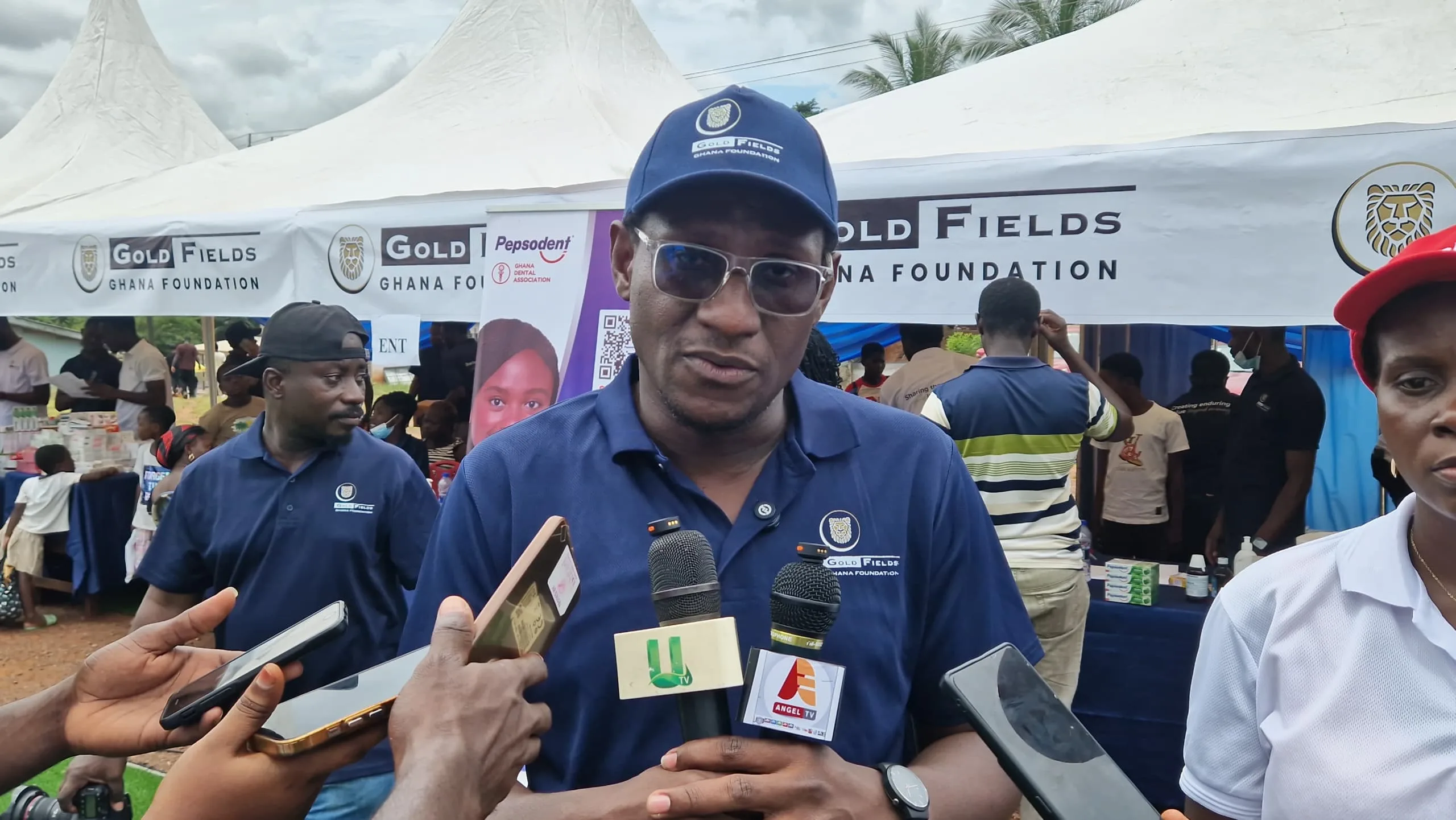
“What we are identifying is high rates of drug abuse, especially opioids and related substances. We do not know whether it is linked to illegal mining and the physical demands of the work, but it is something that requires serious attention,” he said.
Mr. Yakubu also expressed concern about the increasing deaths of young people in their 30s and 40s within the Tarkwa area, describing the trend as alarming.
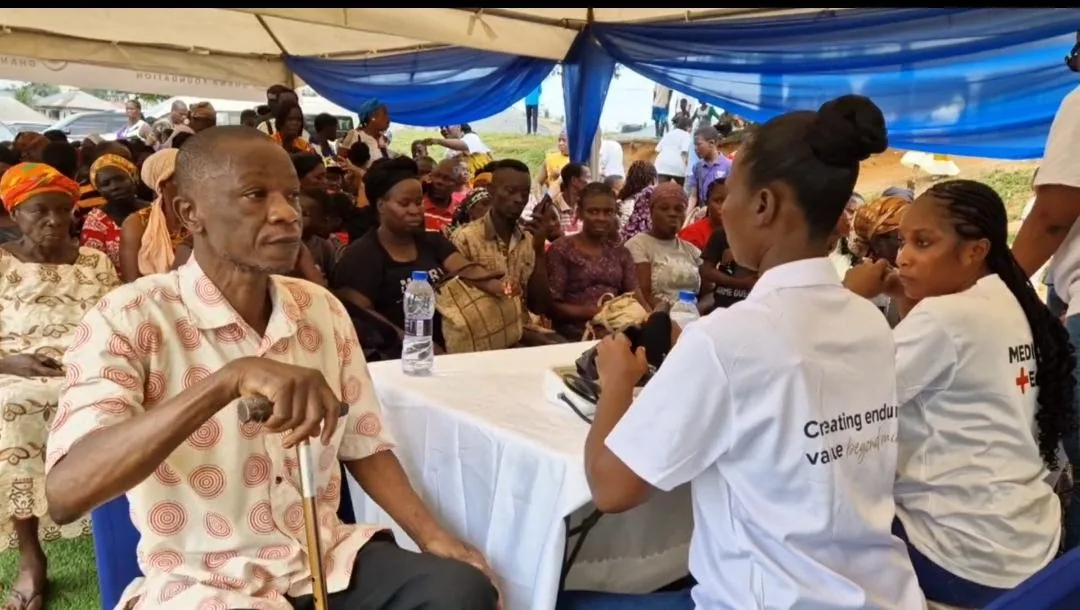
He explained that the outreach programme goes beyond screening, as patients diagnosed with serious conditions are referred for further treatment and monitored to ensure they receive adequate care.
Mr. Yakubu noted that more than 70 percent of Gold Fields’ workforce comes from its host communities, making community health a critical business concern.
“If you don’t pay attention to the health of your communities, your entire business becomes vulnerable because diseases do not know boundaries,” he said.
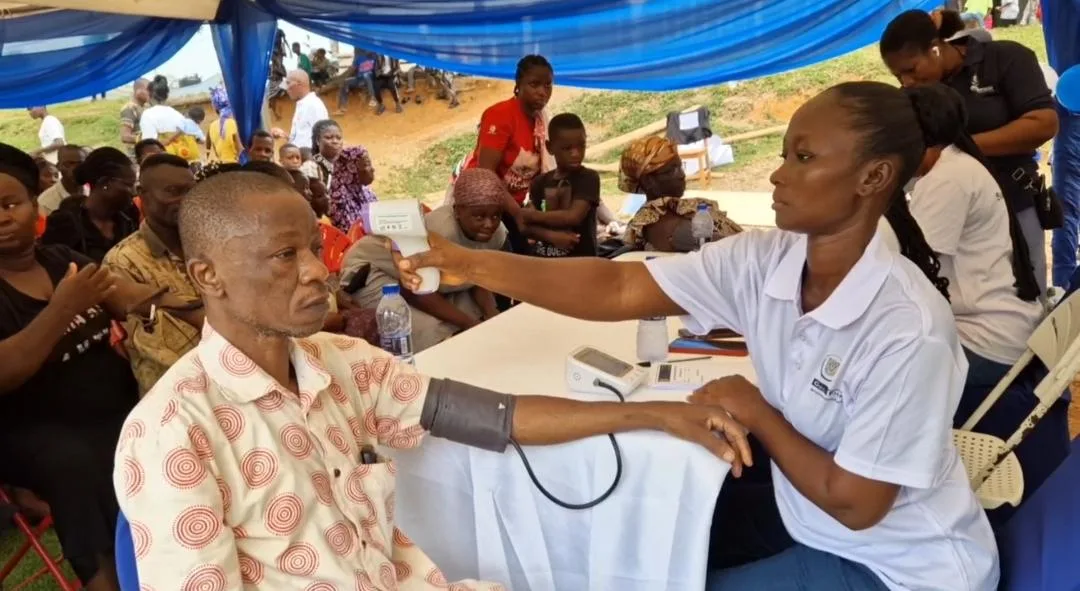
He disclosed that the Gold Fields Ghana Foundation spends about GH¢600,000 on each outreach programme, although this year’s exercise cost slightly above GH¢500,000 due to support from partner organisations.
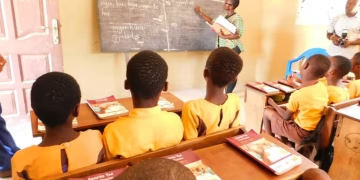
President of the Society of Family Physicians of Ghana, Dr. Baaba Nnina Damoah, confirmed that chronic diseases dominated cases recorded during the screening exercise and pointed out acute illnesses, including malaria, respiratory infections, and skin diseases among children.
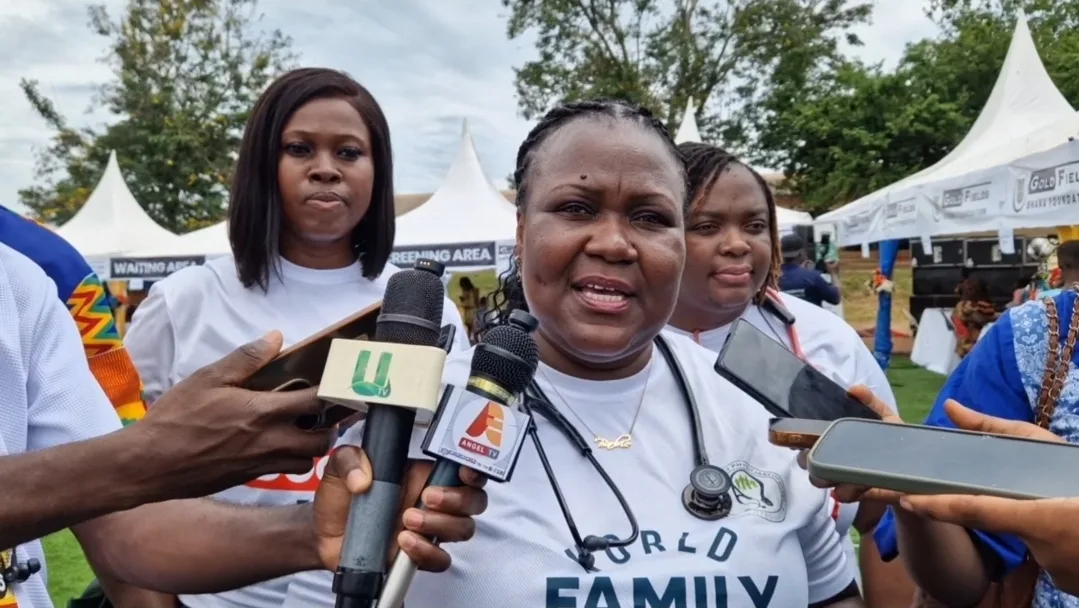
“Most of the cases we are seeing today are chronic conditions such as hypertension, diabetes, and joint pains,” she stated.
Dr. Damoah stressed that many residents living with chronic conditions were unaware of their health status until they were screened. “This exercise is very important because we are bringing healthcare to the doorstep of the people and identifying conditions early before they become severe.”
She urged residents to adopt healthier lifestyles by reducing stress, engaging in regular exercise, eating balanced diets, and avoiding excessive alcohol intake and smoking.
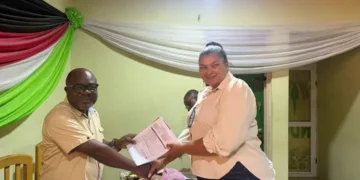
The Tarkwa Nsuaem Manager of the NHIA, Stephen Ayonbisa, encouraged residents to use the NHIS mobile application to renew their memberships conveniently without visiting NHIS offices when their cards expire.
Source: Nana Fynn