
























































The Digital Access for Rural Empowerment (DARE) Program has launched three digital platforms and distributed startup kits to women and youth beneficiaries in Bekwai, Ashanti Region, as part of efforts to promote entrepreneurship, digital inclusion, and economic empowerment.
The initiative saw 164 women beneficiaries receive vocational tools and business support equipment alongside the unveiling of the Caregivers App, Financial App, and EMI Platform, a digital marketplace designed to connect entrepreneurs to broader markets.
The launch event, held at the Bekwai Municipal Assembly Hall on May 21, brought together beneficiaries, community leaders, development partners, and local officials.
The DARE Program is being implemented by a consortium comprising UNESCO, University of Ghana Business School, and GI-KACE Consult Ltd in partnership with the Mastercard Foundation.
The program aims to equip women and youth with digital skills, entrepreneurship training, and sustainable livelihood opportunities.
According to Programs Manager at GI-KACE Consult, Mrs. Priscilla Hope, the program has already recorded significant results in Bekwai.
She disclosed that 160 participants successfully completed digital skills training out of 217 registrations.
Mrs. Hope added that 120 individuals were selected for entrepreneurship development from more than 370 early registrants.
The initiative has also supported the establishment of 24 youth-led businesses within the municipality.
In addition, 131 women received training in mushroom cultivation using Growth Box technology, with a reported 97 percent replication rate among participants.
She noted that the project has strengthened digital access through the revitalisation of the Bekwai Community Information Centre.
The facility has been equipped with a modern digital laboratory, fibre-optic internet connectivity, and community Wi-Fi services.
A key highlight of the event was the launch of three digital platforms designed to address challenges in market access, caregiving services, and financial management.
The EMI Platform will serve as an online marketplace where entrepreneurs can market and sell products and services while accessing business development resources.
The Caregivers App is designed to connect trained caregivers with families, healthcare institutions, and organisations seeking caregiving services.
The Financial App provides users with tools for budgeting, savings tracking, income management, and financial planning.
Project implementers say the platforms are expected to create employment opportunities while helping beneficiaries strengthen financial discipline and business management skills.
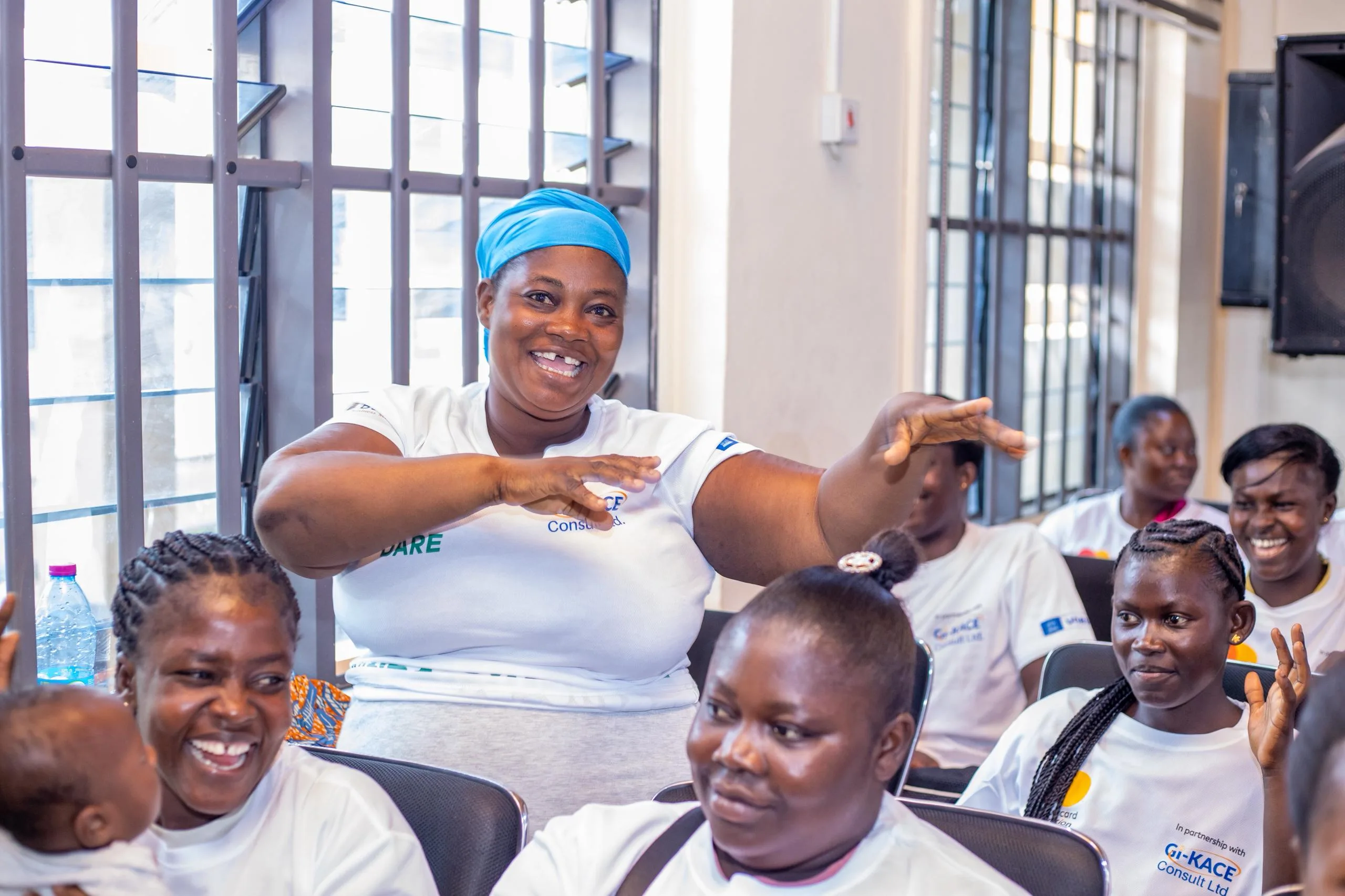
The event also featured the presentation of certificates and startup kits to participants who completed training under the program.
Beneficiaries received equipment including sewing machines, industrial knitting machines, refrigerators, mobile money container stalls, food container stores, and hairdryers.
The distribution sparked excitement among participants, many of whom described the support as a major boost to their business ambitions.
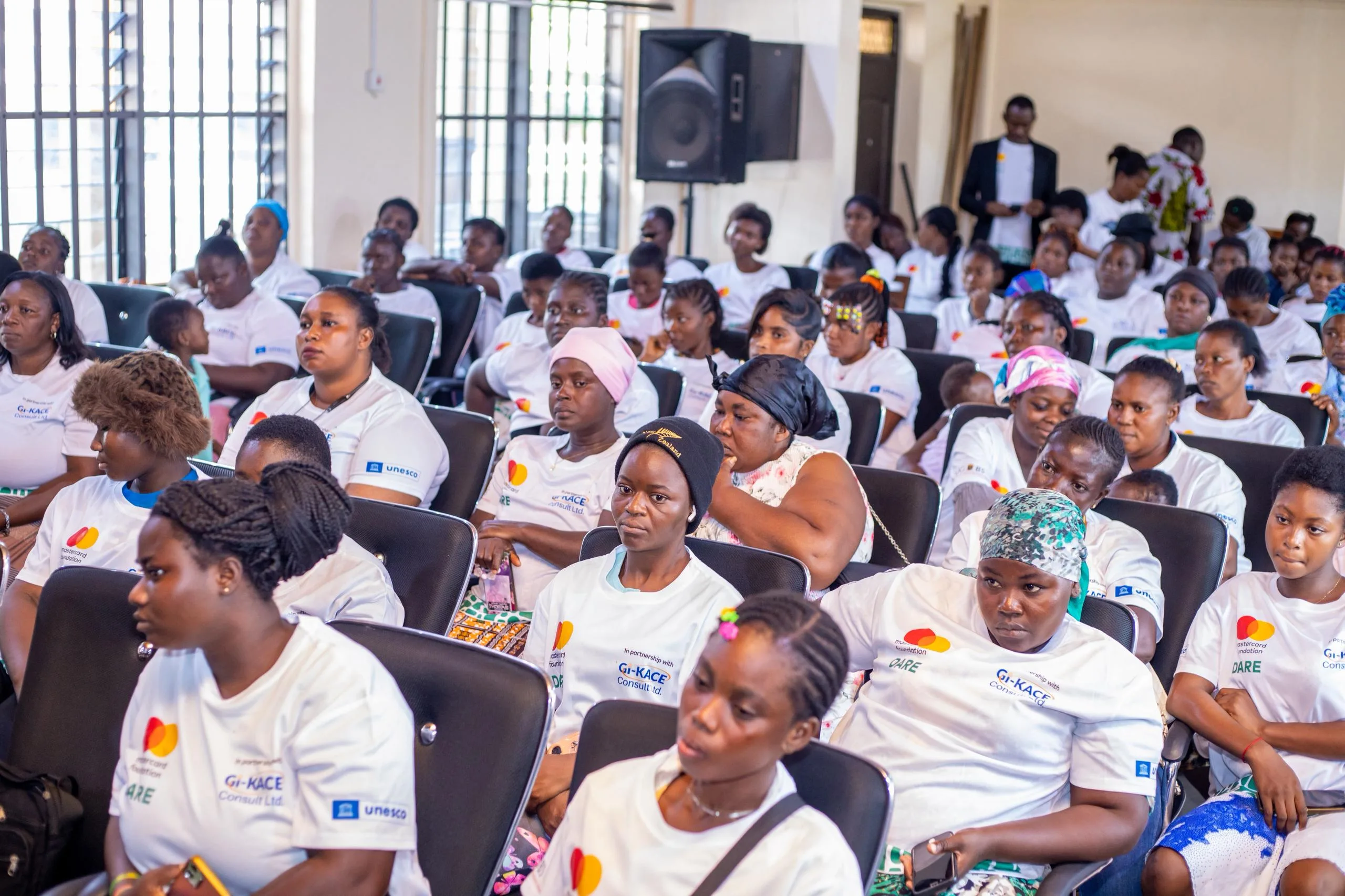
Several beneficiaries expressed appreciation to the program partners for providing practical tools to help them start or expand their enterprises.
The DARE Program is currently being implemented in Bekwai, Gushegu, and Yilo Krobo municipalities.
One of its notable innovations is the introduction of childcare support services during training sessions, a measure that project managers say contributed to a 40 percent increase in participation among young mothers.