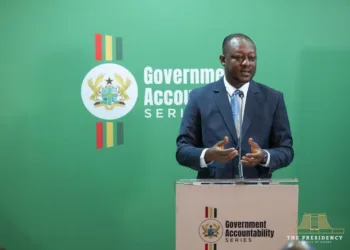



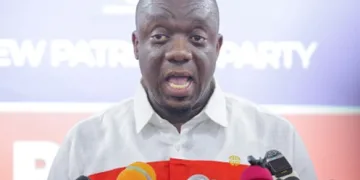




































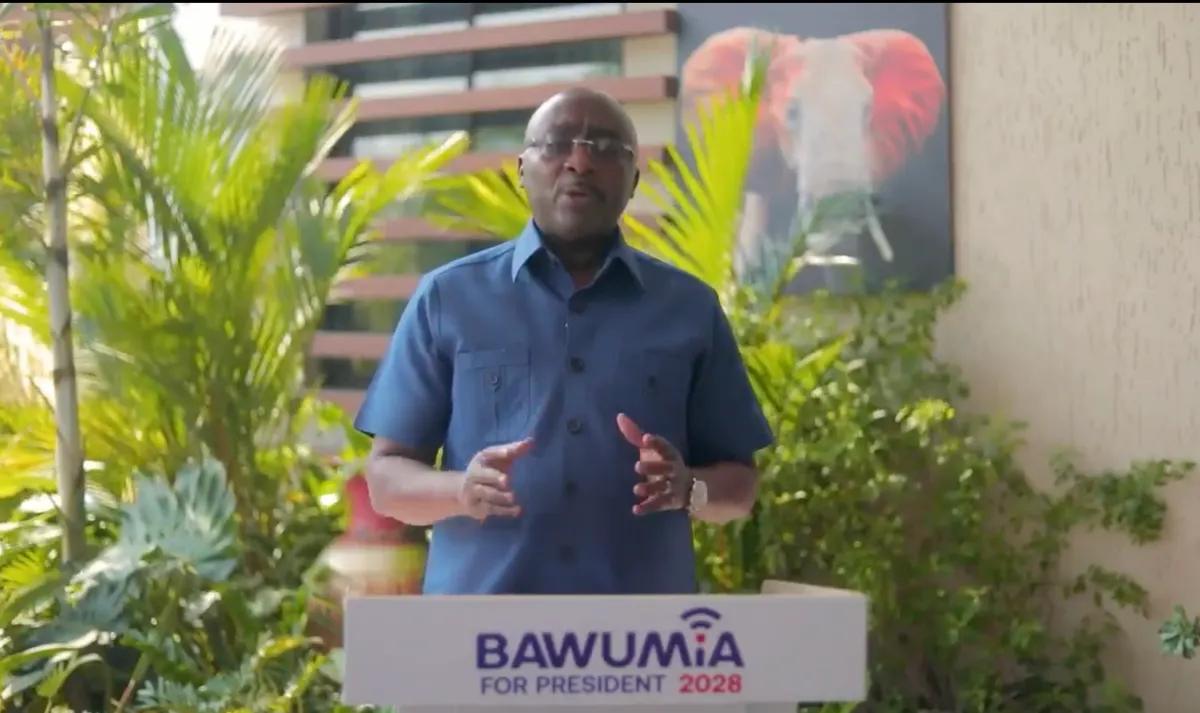
Former Vice-President and 2028 New Patriotic Party (NPP) presidential flagbearer, Dr Mahamudu Bawumia, has urged President John Mahama to withhold assent to the Public Tribunals Bill, calling for wider consultations and judicial reforms instead.
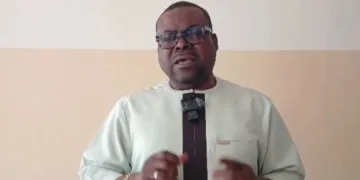
In a national address and a statement issued on Sunday, July 19, Dr Bawumia urged the President to suspend the legislative process and engage key stakeholders before making a final decision. “I have one respectful request of President Mahama. Mr President, Do not sign this Bill. Pause, and let the nation talk,” he stated.
Dr Bawumia criticised Parliament’s passage of the Bill after lawmakers waived the mandatory one-day interval between the consideration stage and the third reading. He argued that the legislation was rushed despite objections from the Minority and organised labour, saying concerns raised by stakeholders were not adequately addressed.
He also questioned why the Bill was passed before the publication of the Constitution Review Committee’s report, which was commissioned by President Mahama. According to Dr Bawumia, the committee recommended removing Regional Tribunals from the Constitution because the High Court had already assumed their responsibilities. “Publish the report first,” he urged.
The NPP flagbearer maintained that although Ghana’s courts face significant congestion and delays, reintroducing public tribunals is not the appropriate solution. Instead, he called for reforms that would strengthen the existing judicial system through the appointment of more judges, construction of additional courtrooms and expanded digitalisation.
“Our courts are congested but the answer to congested courts is to strengthen the courts, more judges, more courtrooms and digitised processes. It is not to build a second system of justice,” Dr Bawumia said. He also cautioned that allowing non-lawyers to sit on tribunal panels in criminal matters could revive public concerns associated with Ghana’s historical experience with tribunals.
The former Vice President further urged the government to exercise restraint despite its commanding parliamentary majority, arguing that numerical strength should not be used to pass every proposed law. “Not everything that can be passed should be passed,” he said, adding that history would judge legislation by whether it was just, equitable and served the interests of Ghanaians.