



















































The Narcotics Control Commission (NACOC) and the Ministry of Education have strengthened their collaboration to tackle the growing menace of substance abuse in schools across the country.
This comes after the Commission, led by its Director-General, Brigadier General Obuba Mantey, made a courtesy call on the Minister for Education, Haruna Iddrisu, on Friday, June 19, 2026.
He was accompanied by NACOC’s Deputy Director-General in charge of Enforcement, Control and Elimination, Lawyer Twum-Barimah.
The meeting centered on urgent measures needed to address the increasing rate of drug and substance abuse among students.
In a statement, the Commission added that this initiative will focus on strengthening cooperation between NACOC and the Ministry to protect young people, particularly students in second-cycle institutions, from the harmful effects of drug use.
“NACOC has intensified educational campaigns in senior high schools to raise awareness about the dangers of drug abuse and its long-term impact on students’ health, academic performance, and future aspirations,” Brig Gen Mantey told the minister.
He also disclosed the Commission’s ongoing interventions, such as the establishment of “Drug-Free Clubs” in many second-cycle schools to reduce substance abuse in schools.
He explained that these “Clubs” are designed to equip students with resistance and resilience skills, empowering them to make informed choices and reject peer pressure associated with substance abuse.
“The goal is not only to educate students on the dangers of drug abuse but also to build their confidence and capacity to resist negative influences,” Brig Gen Mantey stated.
Brig Gen Mantey also revealed plans by NACOC to organize a nationwide seminar for career and guidance coordinators and teachers.
The seminar, he said, will provide a platform for education stakeholders to discuss more effective strategies for engaging students and preventing substance abuse within school environments.
“The proposed seminar is expected to enhance the capacity of teachers and counsellors to identify early warning signs of drug abuse and provide timely interventions for at-risk students.”
The Education Minister, Haruna Iddrisu, commended NACOC’s leadership and management for their continued efforts in combating drug trafficking and abuse in the country.
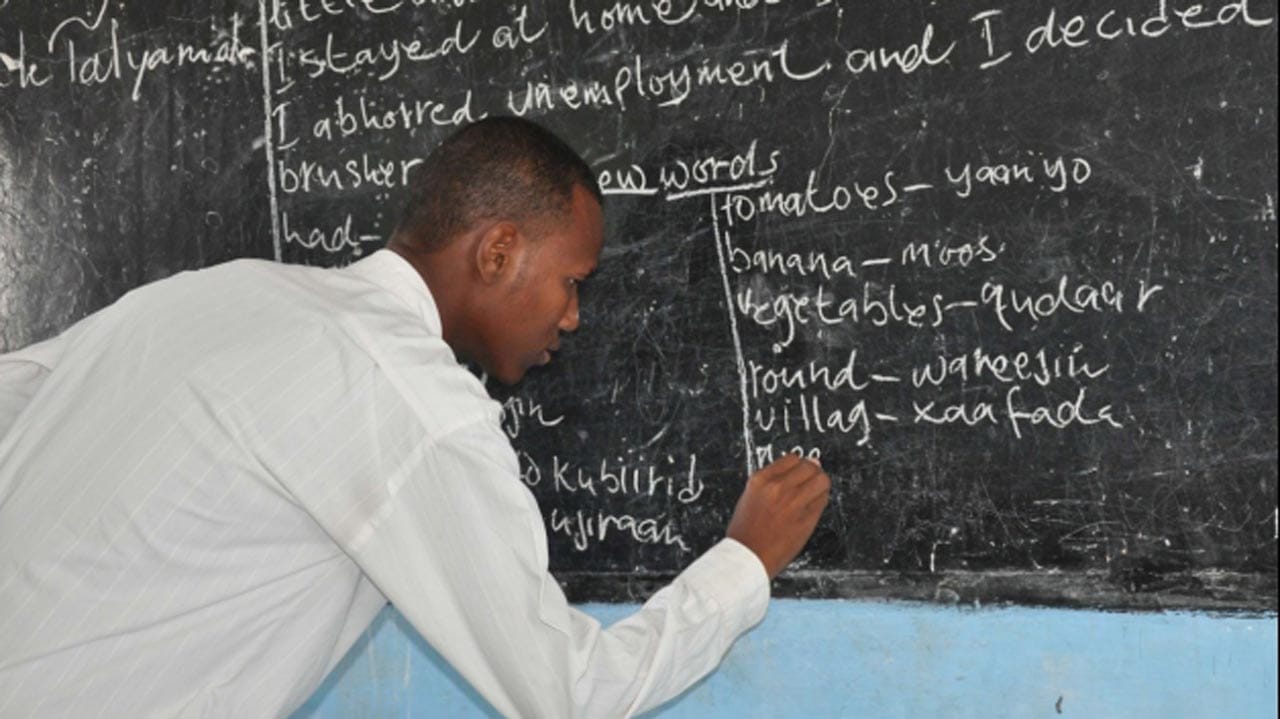
He emphasized that education remains a critical tool in the fight against substance abuse and called for more intensified awareness campaigns in schools.
The Education Minister expressed concern over the increasing prevalence of substance abuse among young people, particularly within the 20–29 age group, describing the trend as a serious threat to the nation’s future workforce and leadership.
He stressed the need for coordinated efforts involving schools, parents, policymakers, and law enforcement agencies to curb the problem before it escalates further.
“As a nation, we must act decisively to protect our youth. Substance abuse among young people threatens not only their future but also the development of the country,” Hoaruna Iddrisu stated.
The collaboration efforts, NACOC says, underscore the urgent need to create safer, healthier, and drug-free learning environments for students nationwide.