





























The Ministry of Local Government, Chieftaincy and Religious Affairs, sanitation experts, local authorities and private waste operators have called for urgent action to protect Ghana’s 20 years of progress in waste management and environmental sanitation.
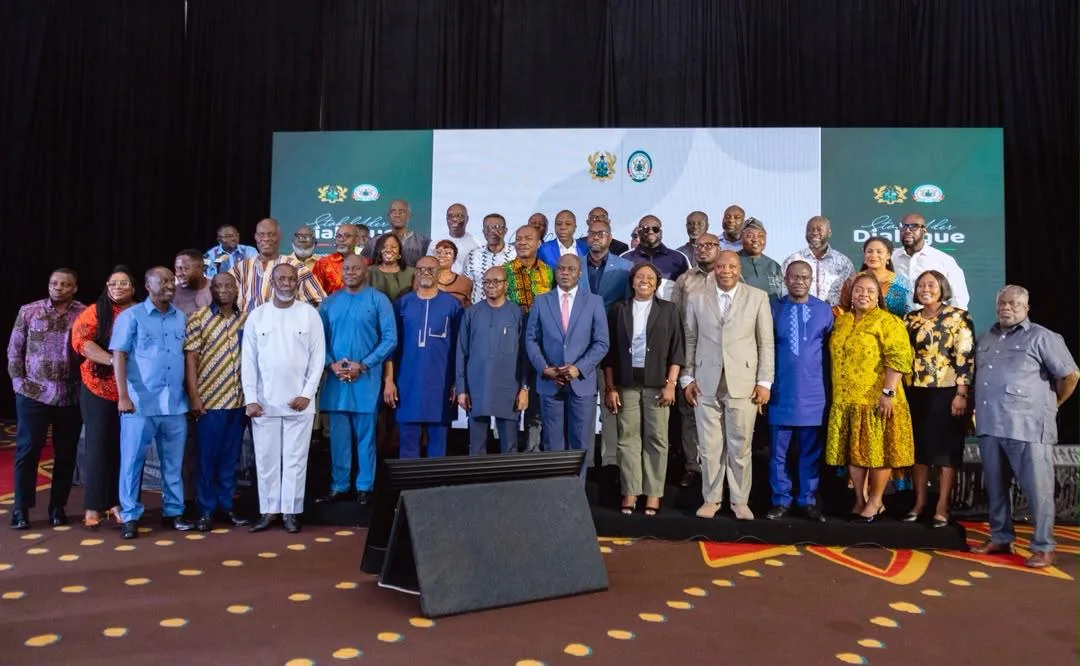
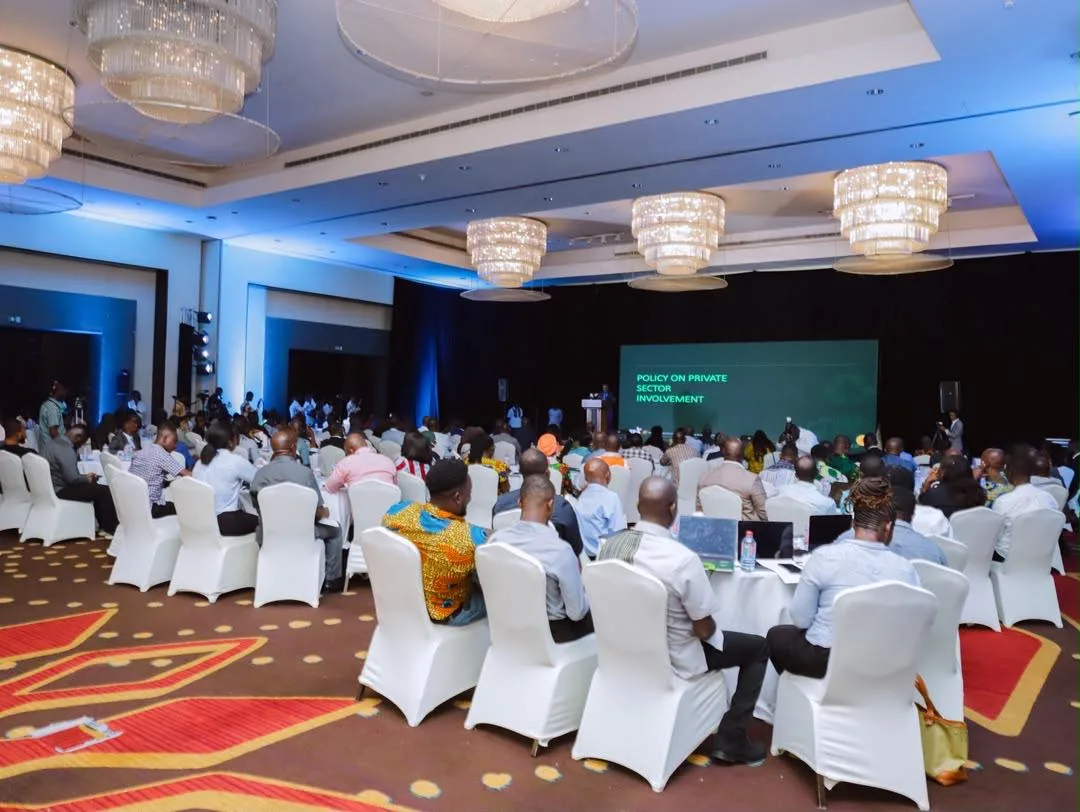
The call was made at a high-level dialogue on landfill and waste management organised by the Ministry of Local Government in Accra under the theme ‘Alleviating Waste Disposal Crisis in Greater Accra’.
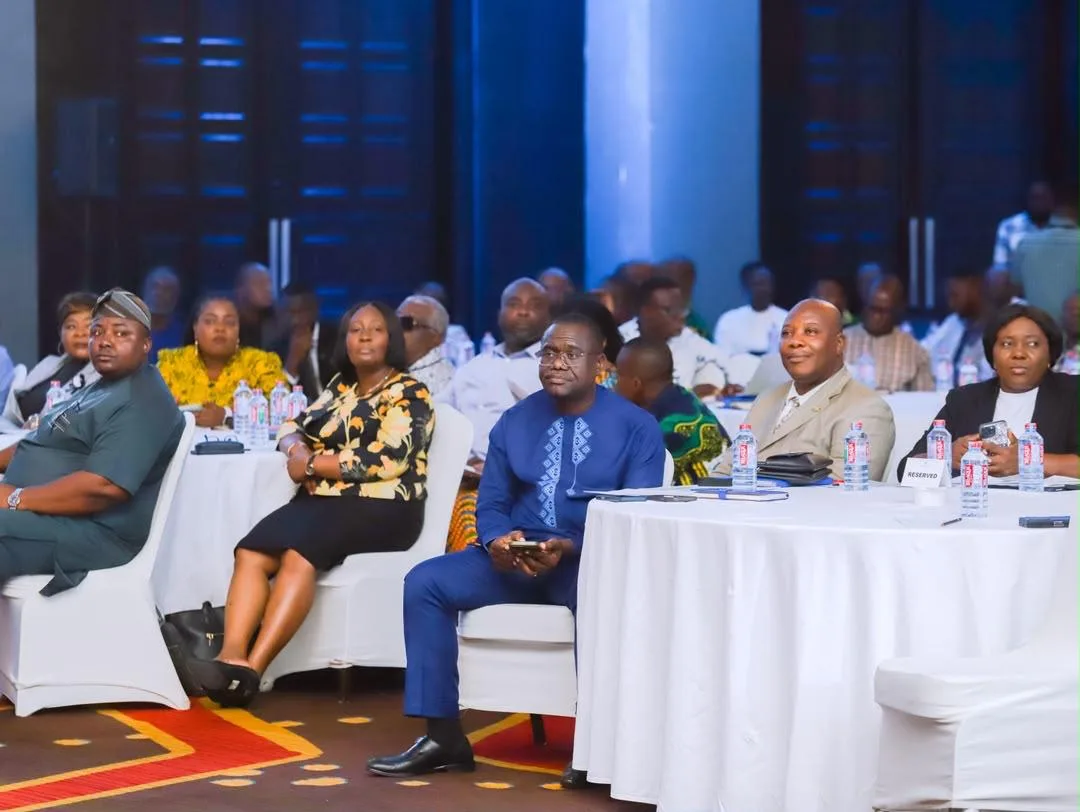
Stakeholders warned that without a reliable and sustainable funding model, the Greater Accra Metropolitan Area risks reversing gains made in waste collection, treatment and public health.
They agreed that waste management is a public good and cannot be financed by households and businesses alone, and expressed concern that the Sanitation and Pollution Levy is no longer serving its intended purpose.
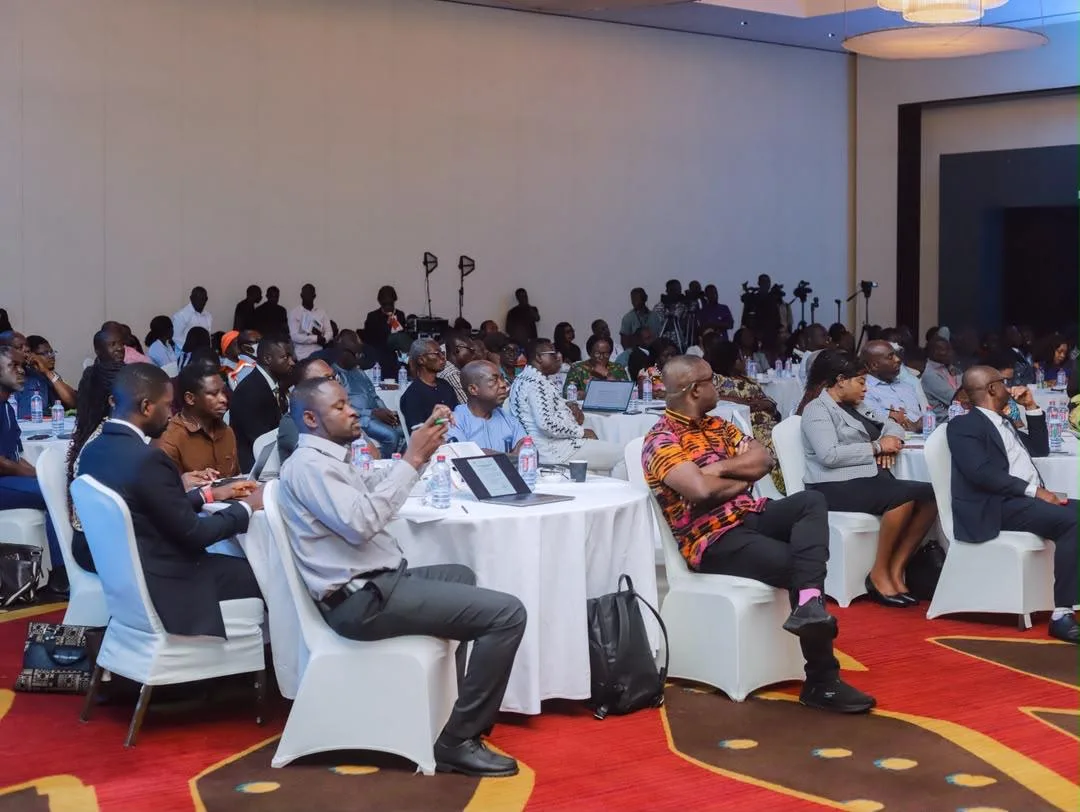
Minister for Local Government, Chieftaincy and Religious Affairs, Ahmed Ibrahim, said Ghana generates about 4,400 tonnes of solid waste daily, nearly 1.6 million tonnes annually. With an 80 percent collection rate, the remaining waste poses environmental and health risks, and he noted that waste volumes are expected to rise sharply in the next decade due to urbanisation.
He identified financing as the biggest challenge to the sector and said the Ministry is in talks with the Ministry of Finance to secure dedicated funds to pay outstanding obligations to private waste service providers.
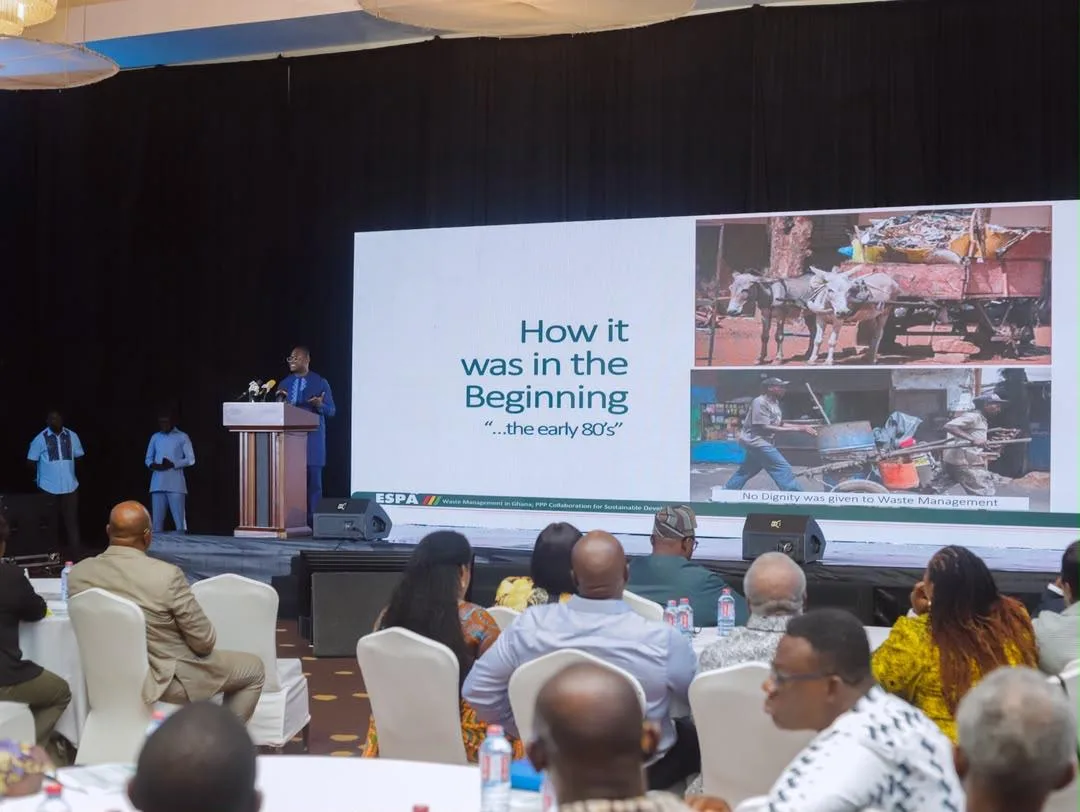
“Even the most advanced waste management infrastructure cannot function effectively without reliable operational funding,” he stated.
President of the Environmental Service Providers Association and Executive Chairman of Jospong Group, Dr. Joseph Siaw Agyepong, also said Ghana must move away from reliance on landfills, revealing that all 17 engineered landfills built with development partner support reached capacity within a decade.
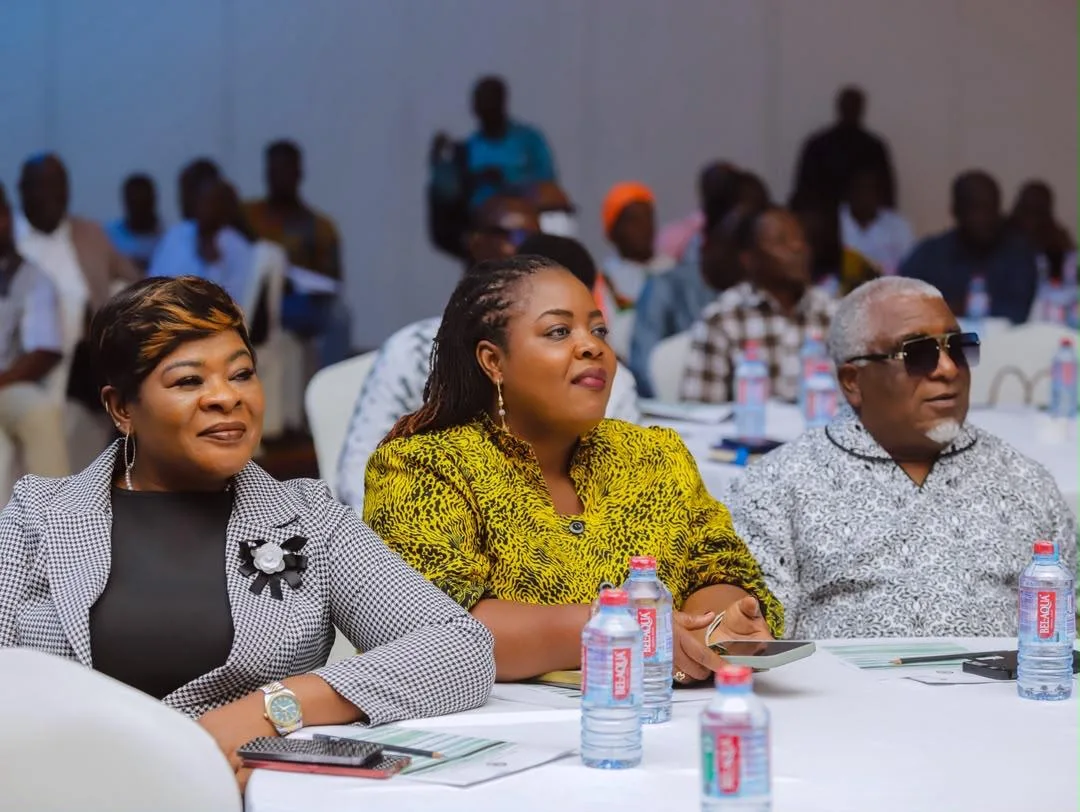
He called for more investment in waste collection, transfer stations, recycling, composting and resource recovery.
Dr. Agyepong also highlighted funding gaps, noting that while households in similar economies pay between US$15 and US$20 monthly for waste collection, low tariffs and poor revenue collection continue to strain Ghanaian service providers.
He said sanitation must be treated like healthcare and education with direct government support.
Research presented at the event estimated that poor waste management costs Ghana more than GH¢6.2 billion annually through floods, healthcare costs and environmental damage.
Despite the challenges, participants noted Ghana’s achievements, including over 50 waste treatment and composting facilities and the export of sanitation expertise to Kenya and Ethiopia.
They further said protecting the gains will require political commitment, innovative financing, and stronger collaboration among government, service providers and citizens.