



The government is set to formalize waste transfer and loading stations and bring tricycle waste collectors into the country’s official sanitation system as part of long-term reforms being led by President John Dramani Mahama.
The announcement was made by the Minister for Local Government, Chieftaincy, and Religious Affairs, Ahmed Ibrahim, during an inspection tour of waste management facilities across Greater Accra.
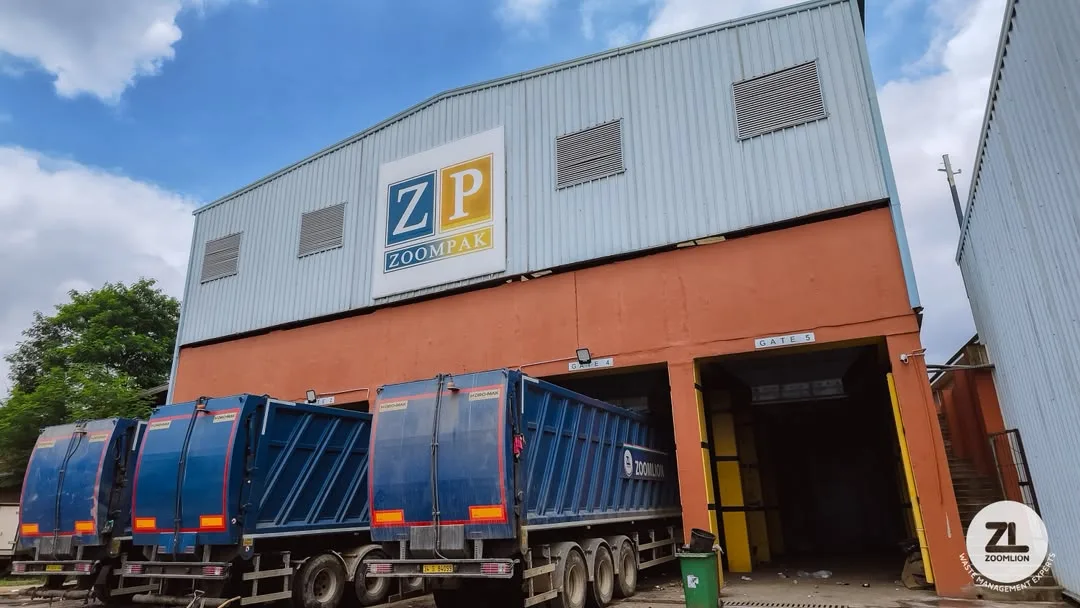
Speaking at Zoomlion’s Integrated Recycling and Compost Plant (IRECOP) in Jamestown, which is currently being used as a transfer station, Mr. Ibrahim said five out of six designated transfer stations in the capital are now fully operational.
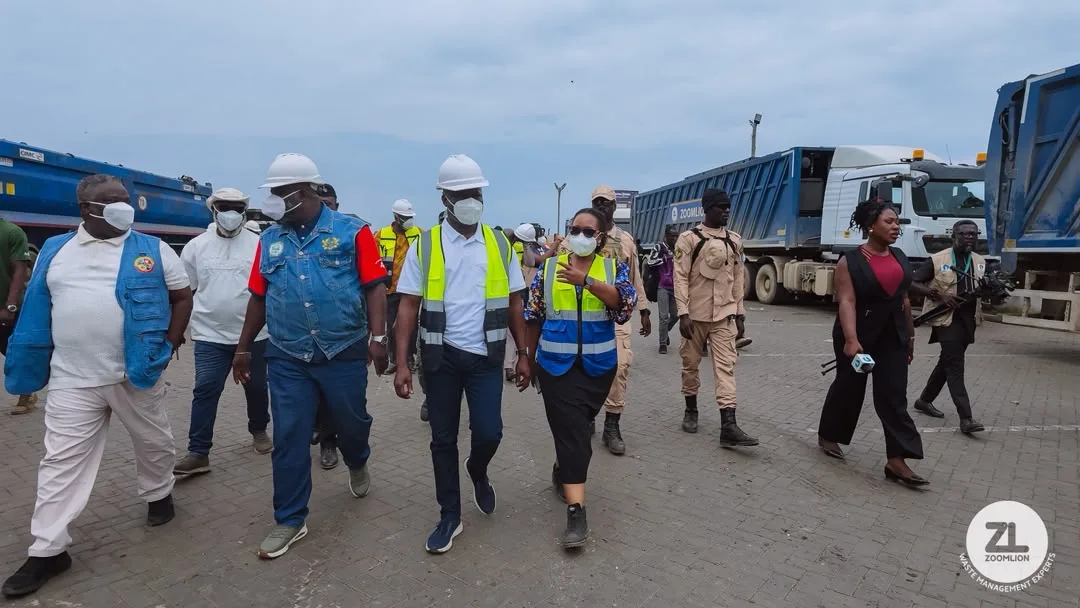
The working stations at Abokobi, Teshie, Achimota, Ashaiman and Jamestown were reopened following a directive from President Mahama to speed up waste evacuation.
To facilitate the process, routine administrative requirements such as weighing charges at transfer station gates were temporarily suspended.
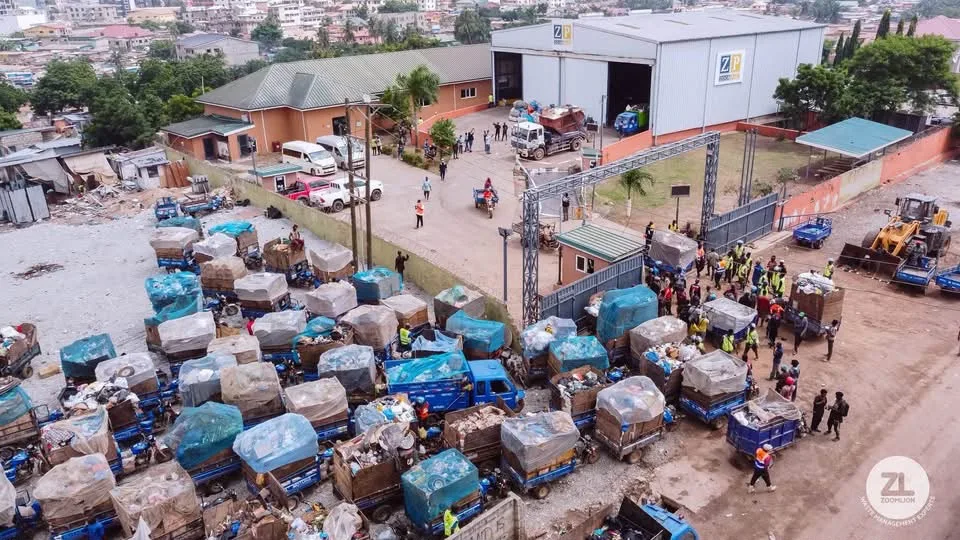
The Minister explained that the intervention became necessary to prevent a public health crisis after nationwide clean-up exercises, including the recent National Sanitation Day, produced unusually high volumes of waste across MMDAs.
The Malam transfer station is, however, yet to begin operations due to poor road access. Mr. Ibrahim said National Security, in collaboration with the 48 Engineer Regiment of the Ghana Armed Forces, has been assigned to construct an access road to the facility to help reduce pressure on the other stations.
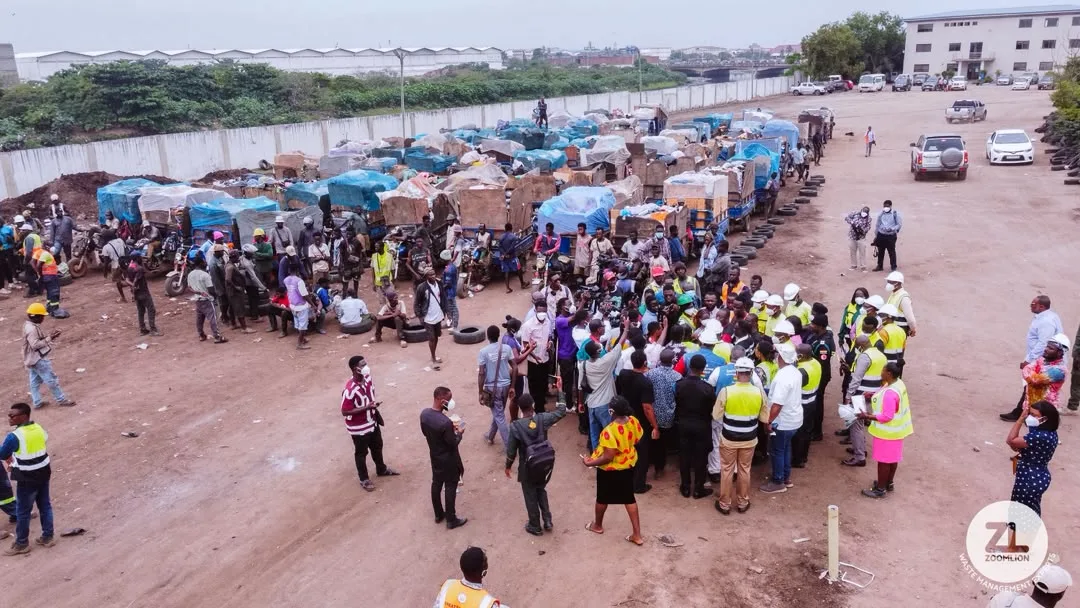
He raised concerns about congestion at the Jamestown site, which receives waste from about 800 of the estimated 4,000 tricycles that collect refuse daily in Greater Accra. Given its closeness to Korle Bu Teaching Hospital, government has introduced a 24-hour system at the facility. Tricycles now discharge waste during the day while articulated trucks move compacted waste to engineered landfills and recycling plants in the Eastern Region at night to ensure emergency access is not blocked.
On sustainability, the Minister defended the Public-Private Partnership model, noting that modern waste management demands heavy investment in equipment, fuel, logistics and technical capacity.
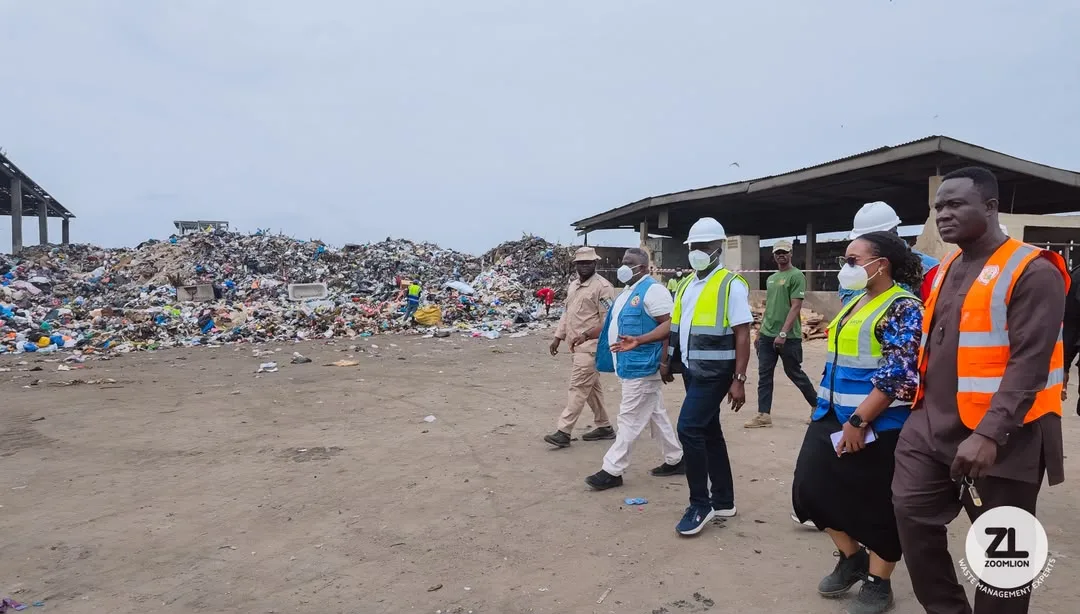
He praised the Jospong Group of Companies for responding quickly to government’s request by providing additional machinery and operational support on credit.
According to him, the deployment of heavy-duty equipment and long-haul compactors helped avert a major health and environmental crisis.
Mr. Ibrahim also disclosed plans to formally integrate informal tricycle waste collectors into the national system.
He noted that they play a critical role in communities where regular refuse trucks cannot easily access.
The Ministry, together with its Chief Director, is working on a business model to regulate their operations and improve service delivery.
To give the reforms legal and policy backing, government will engage the Council of State’s Sub-committee on Sanitation, present a memorandum to Cabinet for approval, and work with the Ministry of Finance to secure funding for engineered landfills and modern waste processing infrastructure nationwide.
The Minister reaffirmed government’s commitment to building a cleaner and healthier Ghana and urged citizens, local authorities and sanitation stakeholders to sustain the national clean-up campaign.


