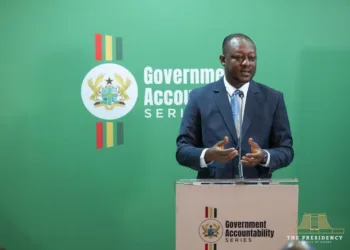



















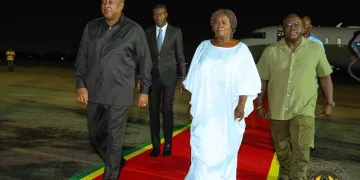

President John Dramani Mahama has assured residents of the Savannah Region that government will improve roads, expand electricity access, and strengthen STEM and technical education to accelerate development in the area.
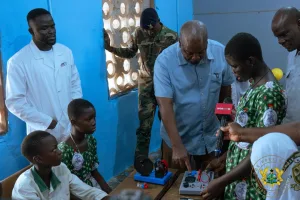
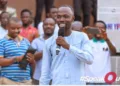
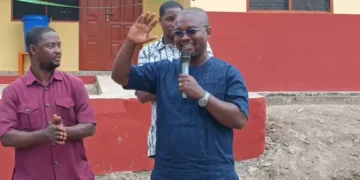
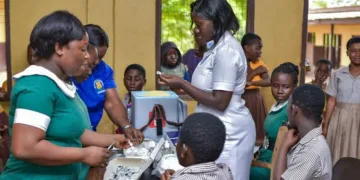
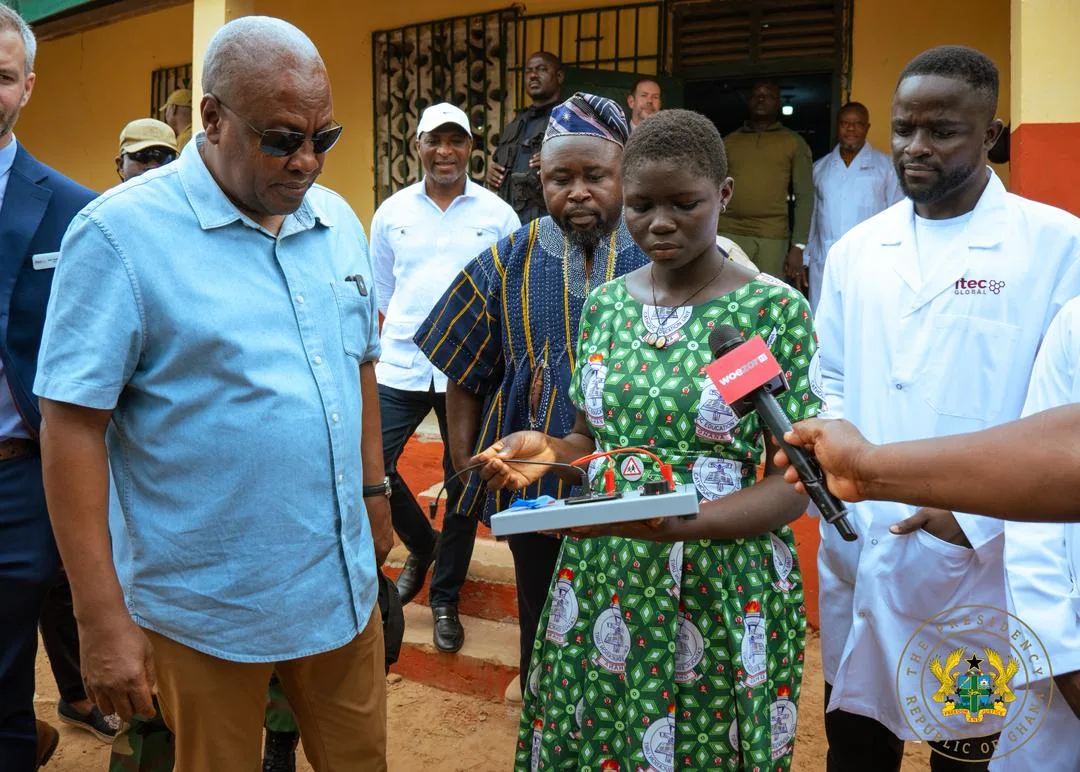
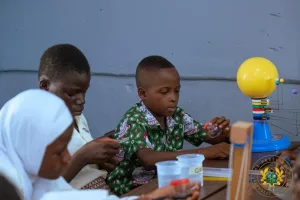
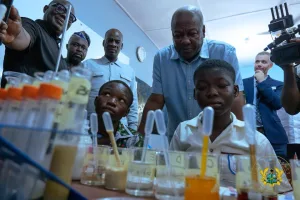
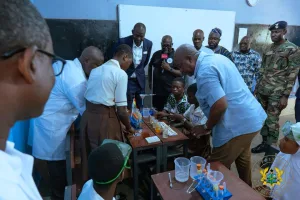
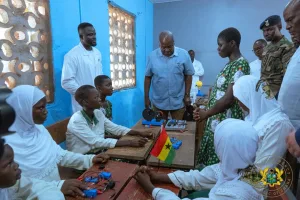
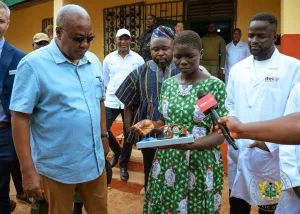
Speaking during a demonstration of the National B-STEM programme for primary and JHS students at the Sawla E/A Primary School in the Savannah Region, President Mahama said contractors are expected to begin electrification works in several communities within the next month.
“With regard to electricity, the Minister of Energy and Green has assured that the contracts have been awarded and the contractors are mobilising to start work,” he said.
According to the President, the Savannah Region remains one of the most underserved regions in terms of electricity supply, stressing that government is determined to bridge the gap.
“We want to bring Savannah up to the level of all the other regions in terms of access to electricity,” he stated.
On road infrastructure, President Mahama revealed that roads in the area have been captured under the second phase of the government’s Big Push infrastructure programme.
He explained that works are already ongoing on about 2,000 kilometres of roads across the country under the first phase of the project.
“There is a second phase that we are scoping, and your roads are contained in the Big Push project for next year,” he assured chiefs and residents.
The President said details of the next phase would be announced by the Finance Minister during the presentation of the 2027 budget, adding that contractors are expected to move to site early next year.
President Mahama also announced plans to establish a new Technical and Vocational Education and Training (TVET) Centre of Excellence in the Sawla District through a World Bank-supported programme.
He said the initiative forms part of government’s broader strategy to expand technical and vocational education across the country.
“Instead of building more senior high schools, our intention is to build more technical and vocational schools so that young people who prefer technical skills can go straight into the world of work,” he said.
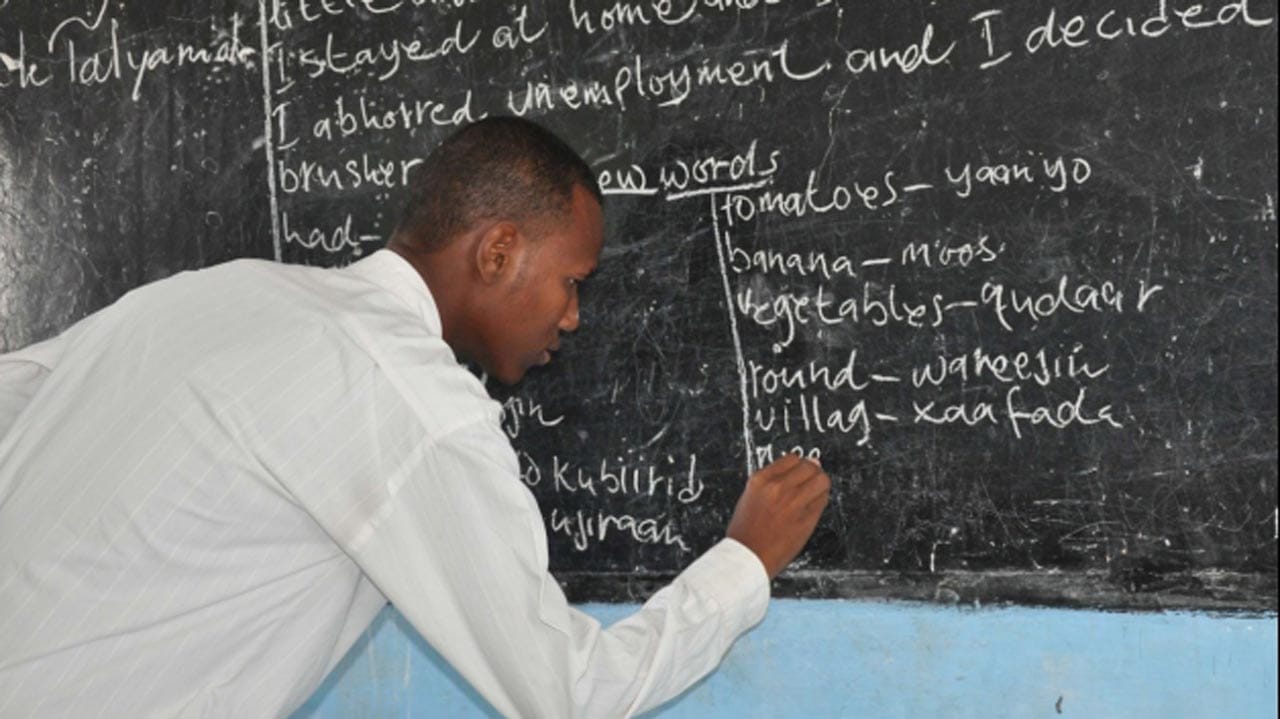
On STEM education, President Mahama stressed the need to decentralise science and technology learning so that children in all parts of the country can benefit.
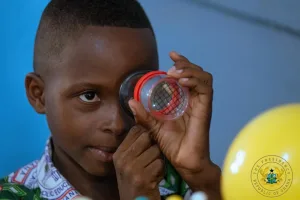
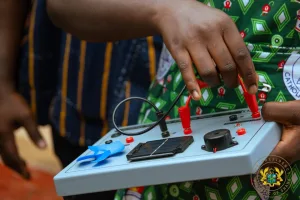
He noted that over 5,000 schools have already received STEM equipment, while teachers are also being trained to support the programme.
The President further disclosed that government is developing a new curriculum that will include STEM education, artificial intelligence (AI), and robotics at the basic school level.
“We want to start teaching children from the basic level so that when they move to higher levels, they will already be familiar with those subjects,” he added.
President Mahama also reiterated government’s commitment to ending the double-track system in senior high schools by the end of 2027 through major investments in school infrastructure nationwide.
Source: Mubarak Yakubu