










President John Dramani Mahama has called for a stronger alliance between Africa and the Caribbean in the global push for reparatory justice, insisting that the historical injustices of slavery demand coordinated international action rather than isolated efforts.
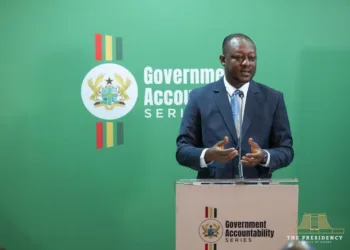
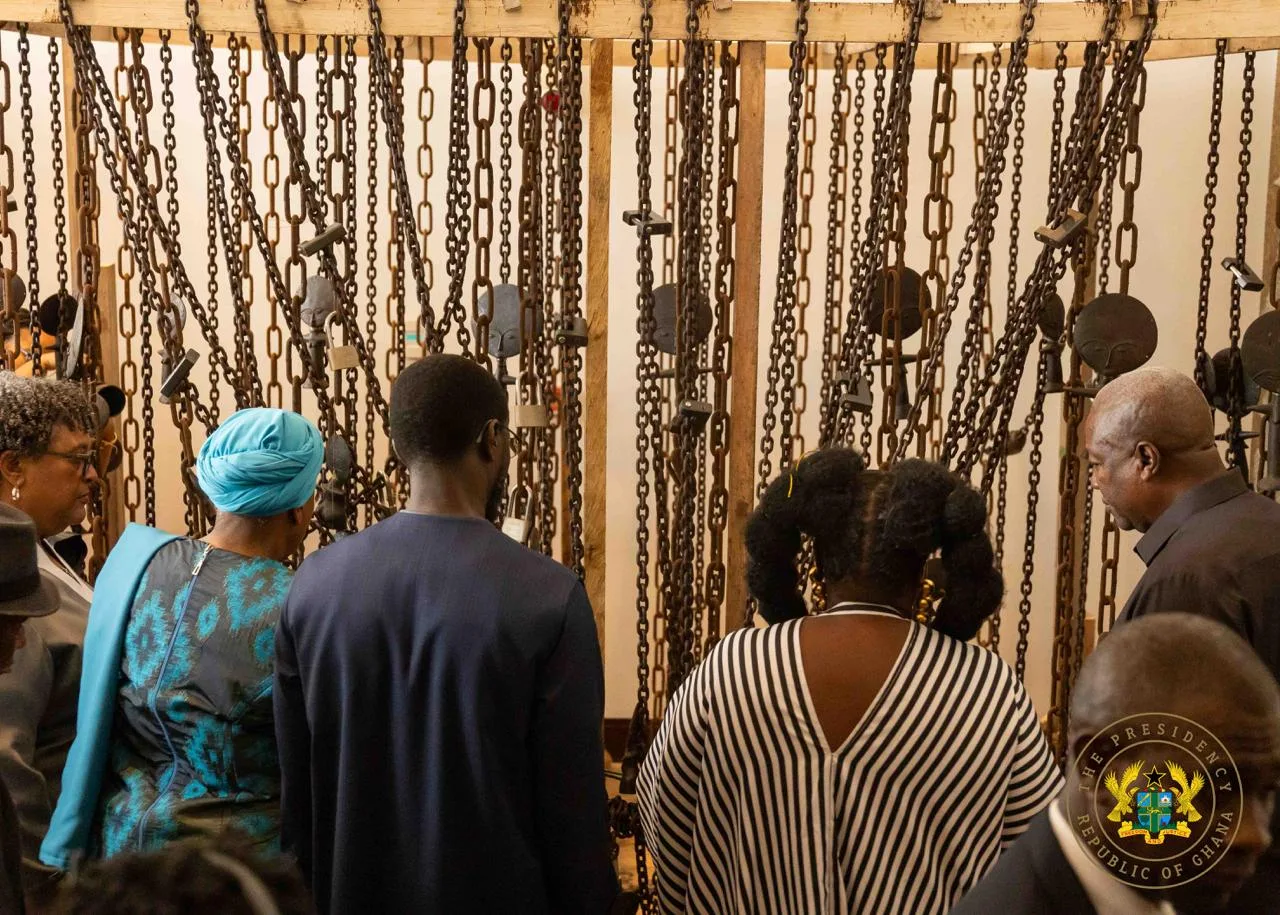
Speaking at the Heads of State session of the Next Steps High-Level Consultative Conference in Accra on Thursday, June 18, 2026, President Mahama said the shared history of Africa and the diaspora places both regions at the centre of efforts to address the enduring consequences of the transatlantic slave trade.
“The crime we seek to address was transcontinental in its reach. Its consequences remain transcontinental in its impact, and the site for justice must therefore be transcontinental in its ambition,” he said.
He stressed that the struggle for reparatory justice must be built on partnership, noting that progress has already been made through cooperation between African states, CARICOM, civil society groups, scholars and diaspora communities.
“It is therefore fitting that Africa and the Caribbean continue to stand together in advancing this agenda,” the President stated.
Mahama further revealed plans for a structured international approach to guide the next phase of the process, including the establishment of three global panels on reparatory justice, cultural restitution, and legal pathways.
“These panels are not intended to replace the work of governments or institutions. Rather, they are intended to strengthen that work by providing intellectual, technical and policy support as the international community advances from recognition to implementation,” he explained.
He emphasized that reparatory justice must go beyond symbolic recognition and translate into practical outcomes that promote development, education, cultural restoration, and long-term healing for affected communities.
According to him, the momentum generated by the recent United Nations resolution on the transatlantic slave trade must be sustained through concrete global cooperation.
“The responsibility now is to ensure that this recognition translates into meaningful and sustained action,” he said.
President Mahama added that the ultimate goal is not to reopen historical wounds, but to confront them honestly and build a more just and inclusive future.
“We do not seek division. We seek justice and understanding and reconciliation grounded in truth,” he said.
The conference brought together leaders, policymakers, scholars, and civil society actors from Africa, the Caribbean, and other parts of the world to chart a roadmap for reparatory justice.
Source: Mubarak Yakubu