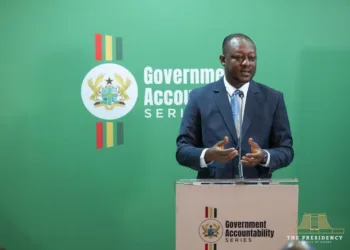

































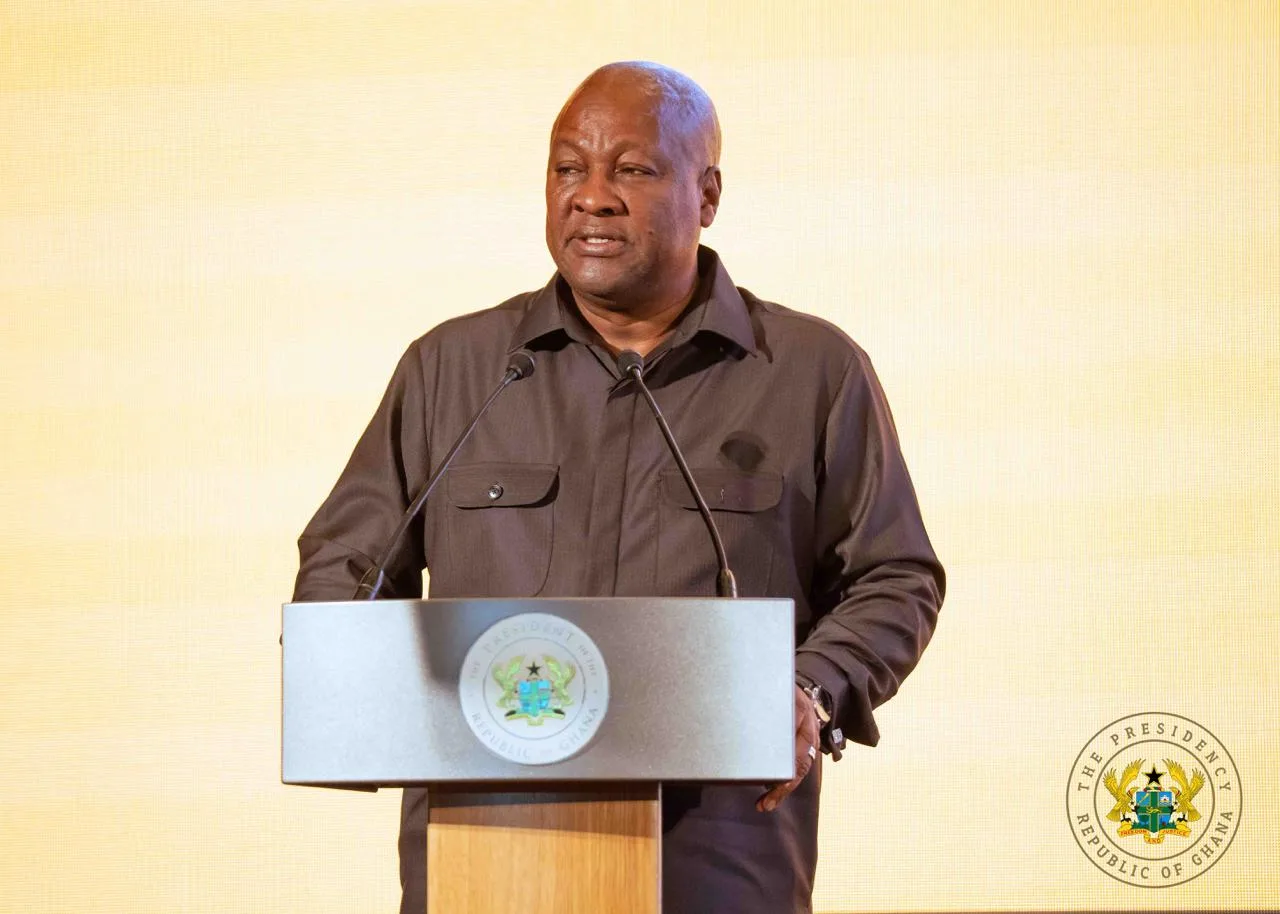
President John Dramani Mahama has urged global leaders and stakeholders to move beyond symbolic acknowledgements of historical injustices and focus on concrete actions that advance reparatory justice, warning that history will ultimately assess the world’s response to the legacy of slavery.
Speaking at the Next Steps High-Level Consultative Conference in Accra on Thursday, June 18, 2026, President Mahama said the responsibility of the present generation is not to inherit guilt, but to confront the consequences of the past with honesty and resolve.
“History does not ask us to inherit guilt, but it asks us to inherit responsibility,” he said. “While we may not bear responsibility for actions committed centuries ago, we are responsible for the world those actions have helped to create.”
He stressed that the global conversation on reparatory justice must translate into practical outcomes that address inequality, historical memory, and long-standing structural injustices linked to the transatlantic slave trade.
“Future generations will judge us not by the resolutions we adopted but by the progress we achieve,” President Mahama said.
According to him, the recent United Nations resolution acknowledging the scale and consequences of the transatlantic slave trade marked an important milestone, but not the end of the process.
He emphasized that the next phase must focus on implementation, cooperation, and sustained international engagement to ensure that recognition is matched with meaningful action.
“The responsibility now is to ensure that this recognition translates into meaningful and sustained action,” he added.
President Mahama also highlighted the need for inclusive global participation, noting that reparatory justice cannot succeed if it excludes key stakeholders such as Africa, the Caribbean, and the wider diaspora.
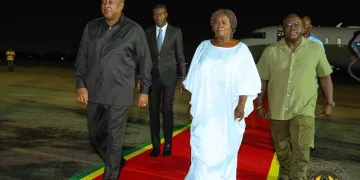
The conference brought together heads of state, diplomats, scholars, and civil society actors to discuss a roadmap for advancing reparatory justice and addressing the long-term consequences of historical injustices.
Source: Mubarak Yakubu