




















































Government has planned US$1 billion to strengthen medicine security, create skilled industrial jobs and build a pharmaceutical export platform for West Africa.
Finance Minister Dr Cassiel Ato Forson announced the plan in Parliament on Thursday, November 12, 2026, while presenting the 2027 Budget Statement and Economic Policy.
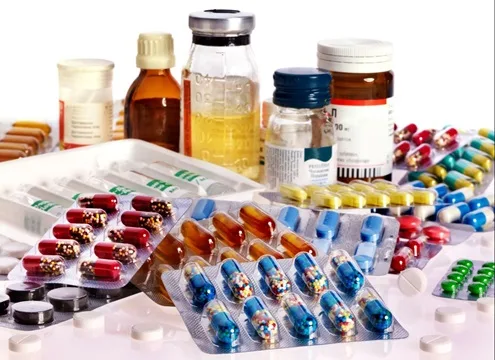
He said Ghana currently imports between 70 and 75 per cent of its medicine needs, costing about US$500 million every year.
“We will invest US$1 billion to strengthen medicine security, create skilled industrial work, conserve foreign exchange and build a pharmaceutical export platform for West Africa,” Dr. Forson said.
The plan falls under Pillar 7 of the government’s New Economy programme.
Government will establish Pharmaceutical and Biomanufacturing Hubs in the Eastern and Central Regions. Qualified Ghanaian and international manufacturers will enter through transparent leases and operating agreements.
In 2027, the state owned SPV will begin construction of the hubs.
To strengthen local demand, government will amend public procurement laws to require that public funds spent on medicines are used only to purchase medicines produced in Ghana, wherever those medicines are available in sufficient quantity and meet approved quality standards.
“Ghana will go further, by making Ghanaian produced medicines the default choice for every cedi of public money spent on medicines,” he mentioned.
He pointed to India, Ethiopia, Nigeria and Tanzania as countries that already give preference to locally manufactured medicines in public procurement.
Dr. Forson said local preference will never excuse poor quality, late delivery or bad value. Every supplier must hold Food and Drugs Authority registration and meet Good Manufacturing Practice standards.
Government will also support manufacturers to attain WHO prequalification so that Ghanaian medicines can compete across the region.
By 2030, government expects to manufacture 60 to 80 per cent of Ghana’s essential medicine needs locally.
Under this pillar alone, government projects approximately 20,000 direct and indirect jobs.