







































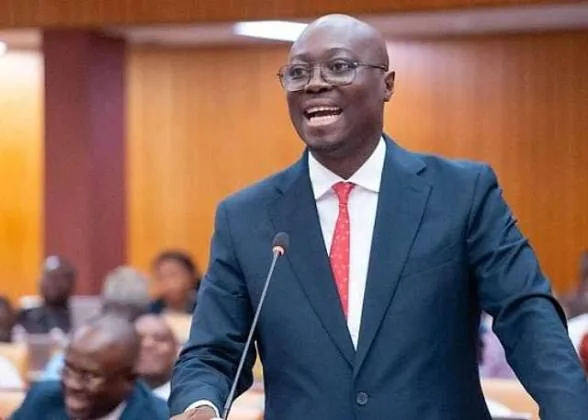
Ghana is aiming for a major economic turnaround by 2030, with government setting its sights on faster growth, fewer jobless people, and a stronger global credit standing.
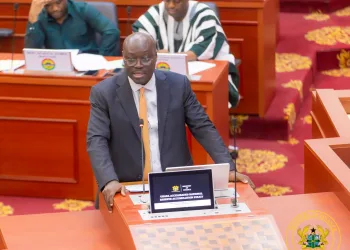
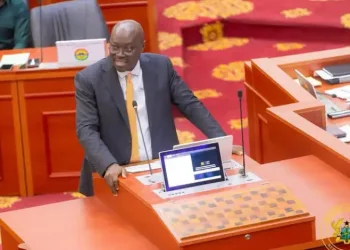
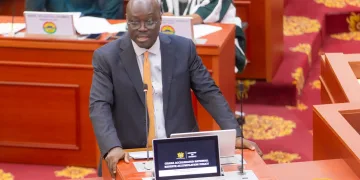
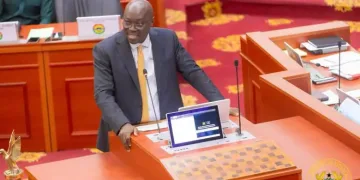
Finance Minister Dr Cassiel Ato Forson laid out the vision on Thursday, November 12, 2026, when he presented the 2027 Budget Statement and Economic Policy to Parliament.
At the heart of the government’s New Economy programme is a plan to push the economy to grow by around 8 per cent in real terms, while bringing unemployment down to under 8 per cent within the next four years.
Dr Forson also told lawmakers that Ghana wants to work its way back to an investment-grade rating – a status that would make it cheaper and easier for the country to borrow on the international market.
But he was quick to caution that such a rating cannot be wished into existence.
“Investment grade sovereign rating cannot be conferred in a speech. It must be earned through sustained performance,” he told Parliament.
To keep the country on track, government will release a yearly report measuring how ready Ghana is for that upgrade. The report will look at how government is managing its finances, how affordable its debt is, the strength of its foreign reserves, confidence in monetary policy, the health of banks, the quality of institutions, and how diversified the economy has become.
Dr Forson said the first foundation of the New Economy plan is to keep the economy stable and make sure government can borrow at reasonable costs.
From 2027, he said, government will make sure it spends less than it earns before debt payments – keeping a primary surplus of at least 0.5 per cent of GDP. Public debt will also be managed to stay in line with a target of 45 per cent of GDP, while inflation is expected to stay in single digits and foreign reserves strengthened.
“We will maintain a positive primary surplus of at least 0.5% of GDP. We will keep public debt consistent with 45% of GDP. We will preserve single-digit inflation and strengthen our external buffers,” he said.
With the IMF programme now completed, government says its focus has shifted from stabilisation to transformation.
Under the New Economy programme, six sectors have been singled out to drive that transformation: commercial agriculture, energy, critical minerals, textiles and garments, tourism, and pharmaceuticals.
Government believes growth in these areas will create jobs, boost exports, and lay the groundwork for a more resilient economy by 2030.