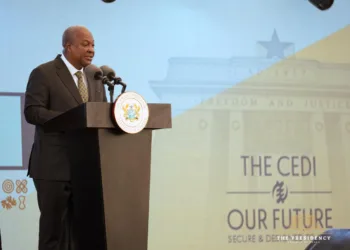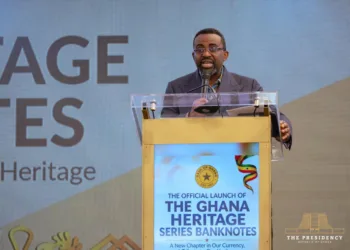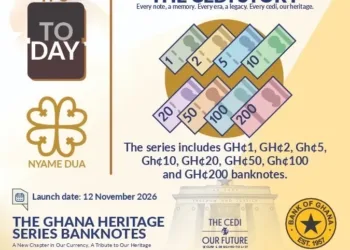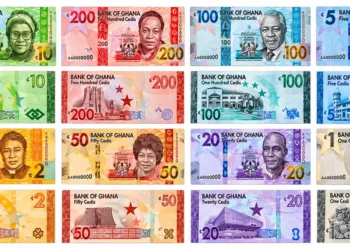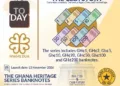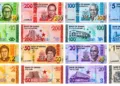











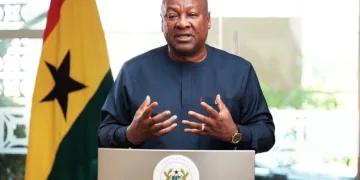
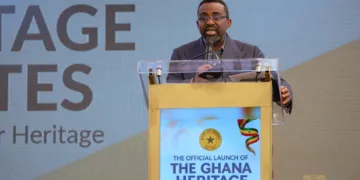
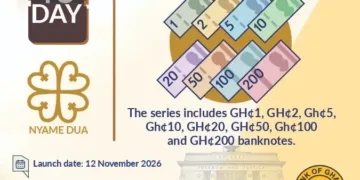
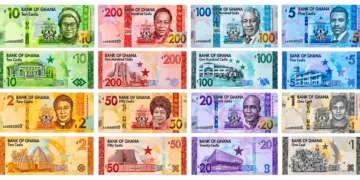


































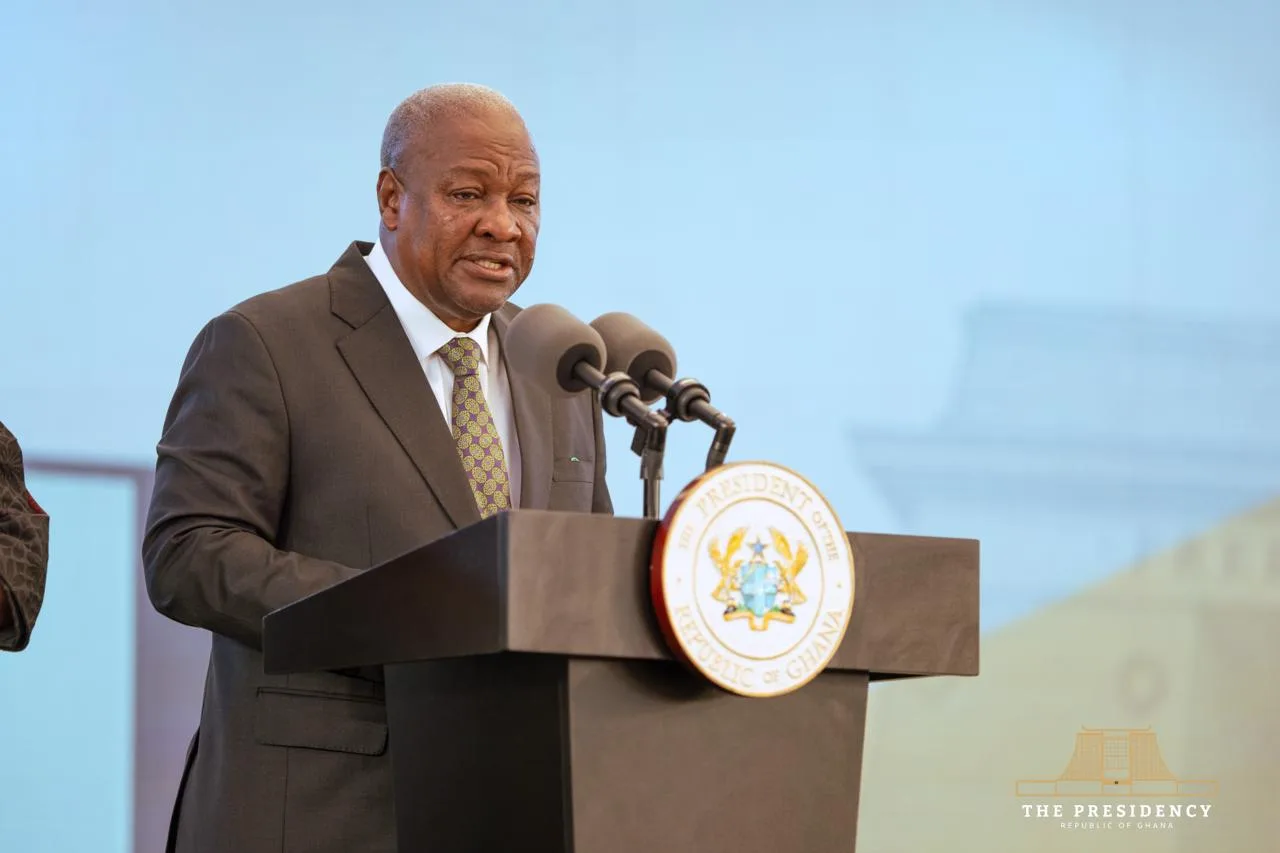
President John Dramani Mahama has officially launched the Ghana Cedi Heritage Series, describing the new currency notes as a reflection of Ghana’s history, cultural identity and economic sovereignty.
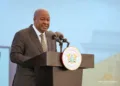
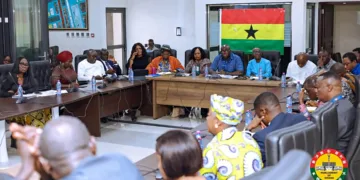
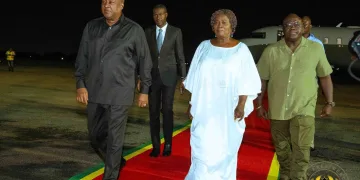
Speaking at the launch ceremony at the Bank of Ghana, President Mahama said the Cedi represented more than a medium of exchange, as it also carried the country’s shared history and national identity.
He noted that the name Cedi was derived from the Akan word for the cowry shell, recalling how cowries were used as a medium of exchange long before the establishment of modern financial institutions.
According to him, the cowries facilitated trade among communities across the savannah, forest and coastal areas, allowing the exchange of commodities such as salt, cloth and cola.
President Mahama said the new heritage series would preserve that historical connection while bringing Ghana’s cultural identity closer to the younger generation.
He explained that the images of national figures, historic places and cultural symbols featured on the new notes would encourage children to learn more about the country’s history and appreciate the contributions of those who helped build Ghana.
He described the currency as a national symbol that connects Ghanaians across different regions, religions and political persuasions.
“The Cedi knows no political parties,” he stated, urging citizens to protect the unity and shared identity represented by the national currency.
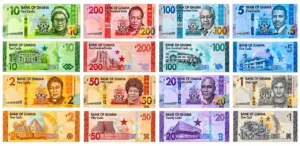
On the features of the new notes, President Mahama said they were produced with reinforced cotton paper and designed to last longer than the old currency notes they would eventually replace.
He added that the new notes were also smaller and easier to handle but would initially circulate alongside the existing notes.
“The banks will withdraw the old notes gradually until the new notes take over completely,” he explained.
President Mahama also linked the future stability of the Cedi to the government’s economic transformation agenda, anchored by the $10 billion New Economy Programme.
He said the four-year programme was designed to transform the structure of Ghana’s economy by increasing domestic production, processing more locally grown agricultural products and expanding exports.
“When Ghanaian farms supply our markets and Ghanaian factories turn our resources into finished products, we create jobs locally and reduce the need to spend scarce foreign exchange on goods that we can produce competitively ourselves,” he said.
According to him, expanding and diversifying exports would increase foreign exchange earnings, while producing more goods locally would reduce the country’s dependence on imports.
He said these measures, alongside disciplined public finances and credible monetary policies, would help create the conditions for a stronger and more stable Cedi.
President Mahama expressed confidence in the future of the currency, saying its strength must translate into greater certainty for traders, manufacturers, businesses and households.
He also commended the Bank of Ghana’s Governor, Board of Management and staff for bringing the initiative to fruition, particularly the Ghanaian professionals responsible for developing systems to support the bank’s currency operations.
The President further noted that the launch came as the Bank of Ghana approached 70 years of service, describing the institution as central to Ghana’s economic sovereignty.
He urged Ghanaians to carry the Cedi with pride and uphold the confidence necessary to sustain its value and strengthen the country’s economic future.
President Mahama subsequently declared the Ghana Cedi Heritage Series officially launched.