




































The government has successfully concluded its Extended Credit Facility (ECF) financial bailout programme with the International Monetary Fund (IMF).
The milestone marks the restoration of macroeconomic stability and debt sustainability, putting Ghana back on track ahead of the original timeline.
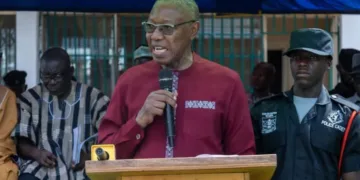
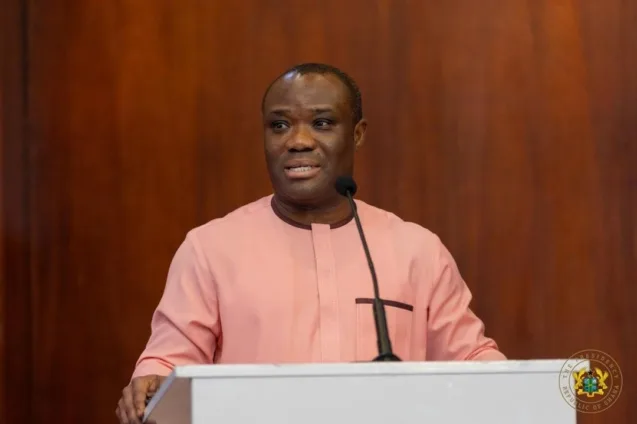
In a statement issued by the Minister for Government Communications, Felix Kwakye Ofosu, the government credited President John Mahama’s administration for acting decisively in 2025 to recalibrate the economy through fiscal consolidation, expenditure rationalisation, and structural reforms.
He noted that these efforts have yielded significant results, including reduced inflation, a strengthened Ghanaian cedi, and improved economic growth.
He also mentioned that Ghana’s sovereign credit ratings have also improved from restricted default (junk status) to ‘B’ with a positive outlook, representing five distinct rating level upgrades.
According to the Minister, gross international reserves have risen to an all‑time high of about US$14.5 billion by February 2026, providing almost six months of import cover.
Mr. Kwakye added that the government expressed gratitude to Ghanaians, bilateral creditors, and investors for their support during the economic recovery process.
Looking ahead, the Minister said Ghana will engage with the IMF’s Policy Coordination Instrument (PCI), a non‑financing technical assistance instrument designed to help implement economic reforms and unlock financing from private investors.
He further disclosed that the PCI will support Ghana’s effort to achieve an Investment Grade rating, lower borrowing costs, and attract long‑term investors.
The government, he affirmed, remains committed to good governance, prudent economic management, and creating an attractive environment for investment, as reaffirmed by the administration.