













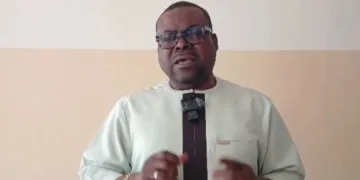












Nigerian movie producer, Uchenna Mbunabo, has expressed concern over the alleged unauthorised transmission of Nollywood movies by some Ghanaian television stations, asking whether such actions are legally permitted in the country.
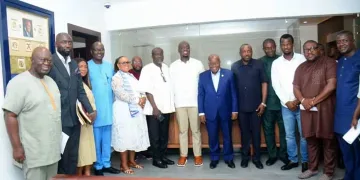
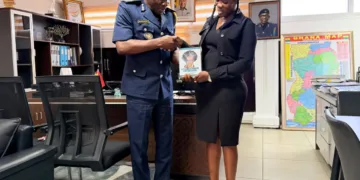
The producer made the remarks during a meeting with National Film Authority (NFA) Deputy Executive Secretary James Gardiner, with Ghanaian actress Jackie Appiah also present.
The discussion, which was later shared on Instagram on Monday, July 13, 2026, centred on the growing issue of copyright infringement within the film industry.
ALSO READ
Lil Win announces GH₵5K reward for report on media houses showing movies without authorisation
Mbunabo questioned why some television stations in Ghana allegedly obtain newly released Nigerian films from platforms such as YouTube and air them without first securing permission or licensing rights from the producers.
“I’ve observed that some Ghanaian television stations are taking our movies and broadcasting them free of charge on their channels. Is it lawful in your country for TV stations to download people’s hard work from YouTube and telecast it without authorisation?” he asked James Gardiner.
Responding to the concern, James Gardiner admitted that the unauthorised exhibition of films continues to be a major challenge within Ghana’s broadcasting and movie industries.
He said he is equally frustrated whenever he comes across television stations airing films without the approval of their creators.
Gardiner disclosed that the National Film Authority has already begun consultations with key regulatory institutions and industry stakeholders to tackle the problem and strengthen the enforcement of copyright regulations.
According to him, the Authority has engaged the Ministry of Communications, the National Communications Authority (NCA), and the National Media Commission (NMC), which oversee and regulate television broadcasting in Ghana.
He explained that although Ghana has copyright legislation, enforcing the laws has become increasingly challenging because of the rapid growth of digital broadcasting, which allows some television operators to function without physical offices.
Gardiner further noted that certain digital television stations are managed from outside Ghana, making it difficult for regulators to track their operations and enforce compliance with copyright laws.
“Copyright legislation exists, but enforcing it has become complicated because many television stations no longer maintain physical offices. A number of them now operate entirely through digital platforms, meaning they can run a Ghanaian television station while managing it from another country, such as Austria,” he explained.
His comments come amid renewed concerns from filmmakers across Africa over the growing challenge of copyright infringement and the need for stronger enforcement measures to protect creative works.