
























































Architectural and design firm ArchXenus Group has raised concerns about Ghana’s urban development challenges, calling for a shared vision among architects, policymakers and other stakeholders to address the country’s planning and housing difficulties.
The firm also highlighted the growing concentration of investment in luxury properties, warning that the trend has left significant gaps in affordable housing, particularly for middle-income earners and vulnerable groups.
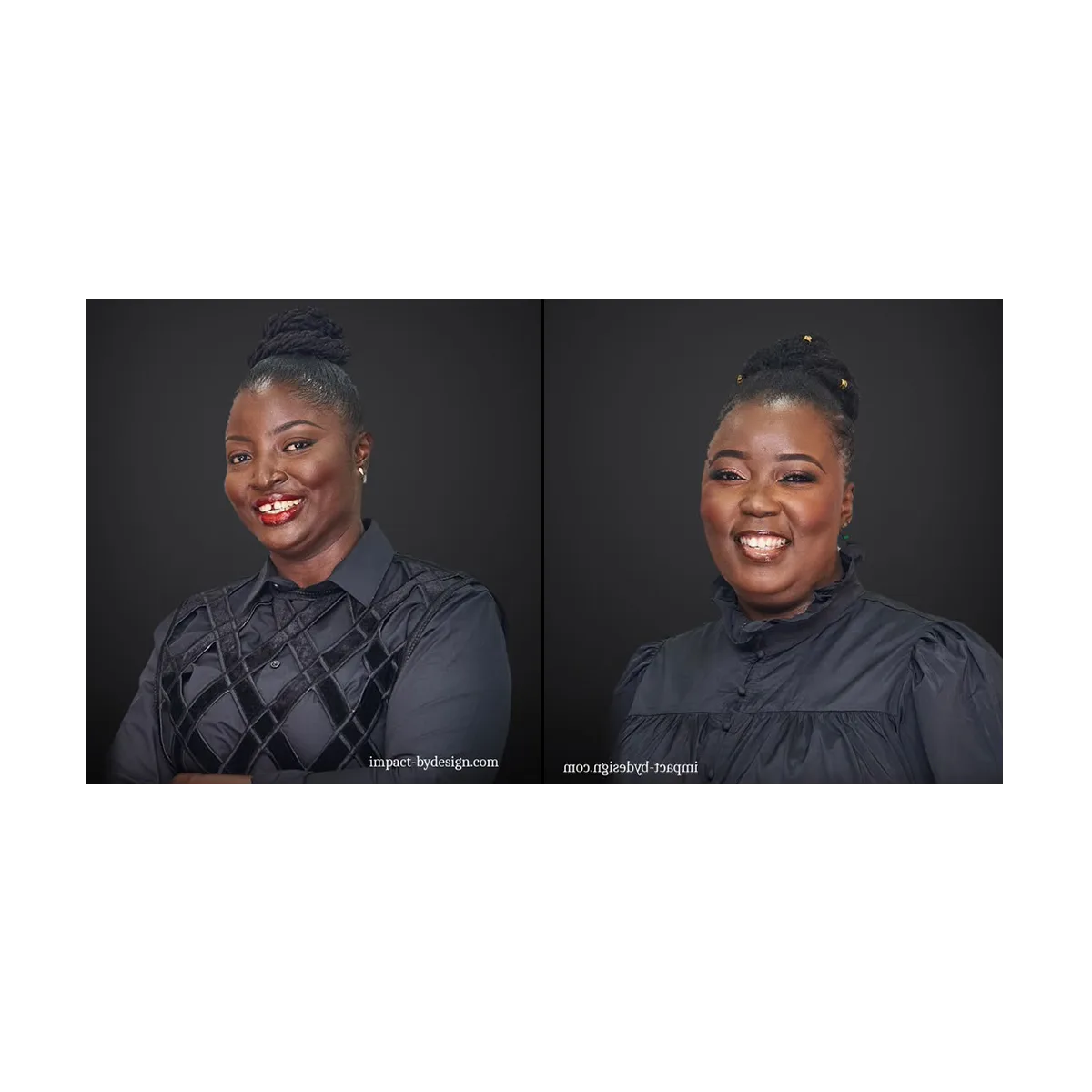
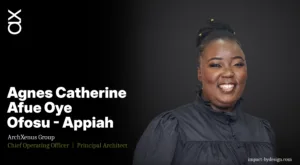
The concerns were raised by the firm’s Chief Executive Officer and Principal Architect, Nana Akua Oppong-Birmeh, and Chief Operating Officer and Principal Architect, Agnes Ofosu-Appiah, during an event to mark ArchXenus Group’s 15th anniversary.
Speaking to the media on the sidelines of the event, Mrs. Oppong-Birmeh said architects often had limited influence over broader urban planning decisions because their work was largely restricted to specific plots of land allocated to them.

She explained that although architects could envision wider improvements to cities, their ability to implement such ideas was limited without coordination and a common development plan.
“For an architect, you are usually given a defined plot of land to work with. For a lot of architects, you will think beyond it, but you can only work on that plot. You cannot go on the next plot,” she said.
She stressed the need for stakeholders to agree on a common vision for Ghanaian cities, noting that successful urban development depended on a shared understanding of what cities should become.
“Most cities that have developed have a vision for what they want their cities to be. And then that makes it easier for everyone to plug into that vision and let us have the kind of city that we all dream of,” she added.
On her part, the chief operating officer and principal architect of ArchXenus Group, Agnes Ofosu-Appiah, said working together had demonstrated the importance of collaboration in sustaining the business while balancing professional and family responsibilities.
She explained that their partnership allowed them to support one another during personal challenges and identify gaps within the built environment industry.
“Being partners with Nana Akua and running the firm has taught us that there’s strength in numbers. Because we are both married women with children, we have life that is happening as well as work that is ongoing. And so, when one person is down or one person is out, another person steps in,” she said.
She said the partnership had also challenged perceptions about women working together, demonstrating that women could collaborate successfully to build and sustain businesses.
On the Xenus Impact Foundation, Mrs. Ofosu-Appiah described it as a platform where ideas could be developed, tested and eventually grow into solutions capable of influencing industry standards.
She also identified the lack of comprehensive Ghanaian architectural reference materials and limited collaboration among built-environment professionals as some of the gaps the foundation and its related initiatives hoped to address.
She questioned the limited documentation of local architectural projects, particularly given the presence of architecture schools in Ghana.
“Are we telling our students of architecture that we should build like other countries do, or do we have to develop our own curriculum, our own structures, our own inspirations, which would then become a bedrock for our students to build on,” she asked.