





















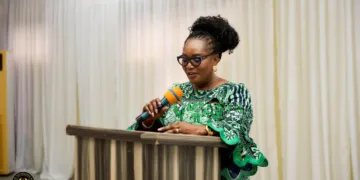































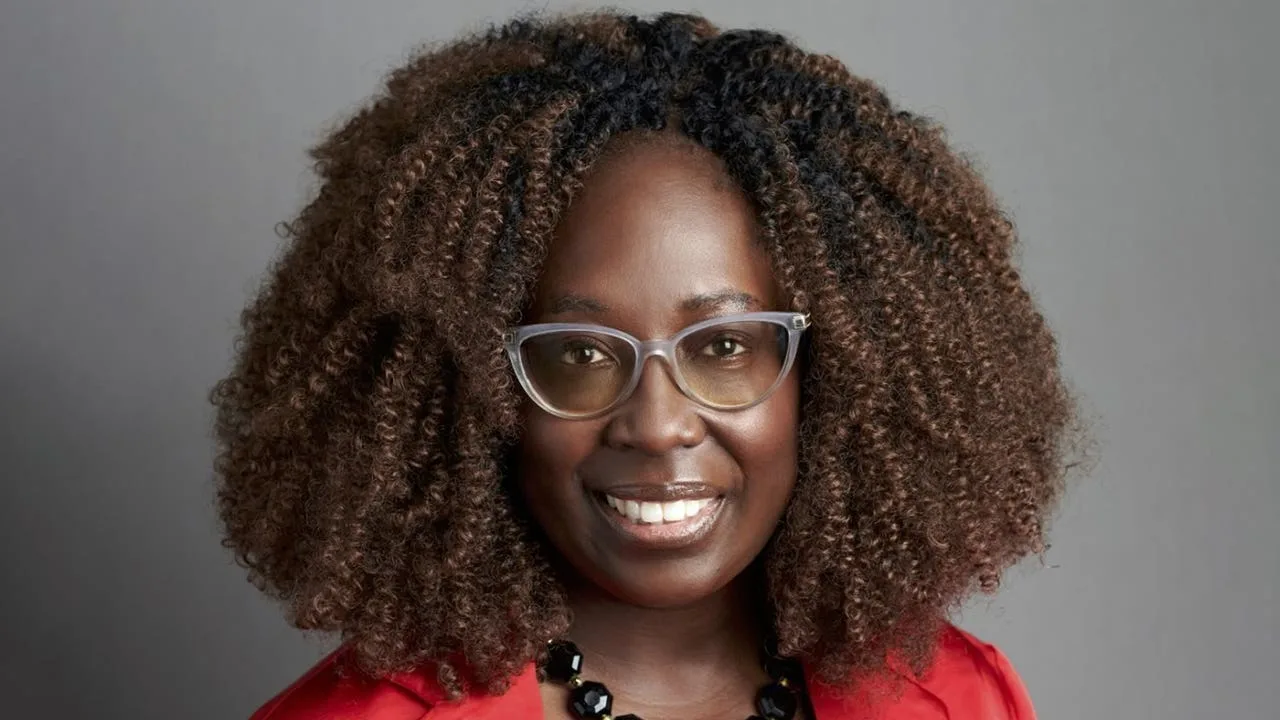
Breast cancer survivor Dr. Sylvia Owusu-Ansah has shared her experience of being diagnosed with breast cancer and the physical, emotional and psychological challenges she encountered in her fight against the disease.
Speaking at a webinar under the theme “Every story is unique, Every journey matters: Advancing compassionate equitable, and timely breast cancer care,” Dr. Owusu-Ansah highlighted the importance of personalised care, emotional support and the use of digital platforms to educate and encourage breast cancer patients.
She stressed that every patient’s experience is different, even when they have the same type of breast cancer and similar genetic test results.
“Everybody’s cancer journey is different. Even if we have the same type of breast cancer and the genetic marking or genetic testing is exactly the same, my journey will be different from yours,” she said.
Recounting her diagnosis, Dr Owusu-Ansah said she had gone four years without a mammogram before eventually undergoing the screening after experiencing persistent stomach pain.
She explained that preliminary gastrointestinal examinations, including a colonoscopy and endoscopy, did not identify the cause of the pain, prompting her to proceed with a mammogram as part of her routine health checks.
Although previous screenings had returned benign results, she said the latest examination revealed an abnormality in her breast and lymph nodes.
According to her, a subsequent mammogram and assessment by a radiologist confirmed suspicions of cancer, a moment she described as emotionally overwhelming.
Dr. Owusu-Ansah said the experience inspired her to document her treatment journey on social media to educate other women and help patients understand what to expect throughout their treatment.
She explained that she deliberately shared both her difficult and encouraging moments to reassure others that they were not alone in their fight against the disease.
“I said, whatever happens, I am in God’s hands, and we are going to take people with us on this journey. We are going to share the reality, whether I feel good or whether I feel bad,” she recounted.
She added that her social media campaign eventually attracted attention from local newspapers, extending the reach of her message beyond digital platforms.
Dr. Owusu-Ansah further encouraged healthcare professionals to recognise the emotional vulnerability of patients following a cancer diagnosis, noting that many people struggle to process information immediately after hearing the word cancer.
She called for the effective use of technology and digital communication platforms to demystify the disease, provide reliable information and assure patients that the healthcare system is available to support them at every stage of their journey.
On the challenges of treatment, she disclosed that the support of her family, faith and community played a significant role in helping her cope with the emotional and physical demands of chemotherapy.
She also shared some of the measures she adopted to manage treatment-related side effects, including the use of ice gloves and ice packs on her feet during chemotherapy sessions to help reduce the risk of peripheral neuropathy, a condition that can cause nerve damage.
According to her, the use of cooling caps as an option for patients seeking to minimise hair loss during chemotherapy, although she acknowledged that hair loss affects women differently.
Beyond medical treatment, Dr Owusu-Ansah urged people to adopt healthier lifestyles, explaining that her diagnosis became a wake-up call to improve her diet and pay greater attention to her overall well-being. She said she incorporated healthier foods, fruits, smoothies and ginger into her diet, particularly to help manage nausea during treatment.
“I did not have to go to the hospital on chemo. I think a lot of it had to do with change of environment in my diet. If that helps at all and then what I would say is we all should be to the best of our ability eating a healthy diet to stay healthy,” she stated.
While emphasising the importance of conventional medical treatment, she noted that healthy dietary choices could complement medical care.
Dr Owusu-Ansah also advocated for support groups that bring together patients at similar stages of their cancer journey, explaining that such arrangements could provide a more comfortable environment for people to share experiences and receive encouragement.
She cautioned against overlooking the human experience behind medical test results and laboratory reports, urging healthcare providers to approach patients with empathy and recognise their individual needs.
“There’s a human being behind every lab marker. There’s a person behind every case,” she said.
Reflecting on the experience, Dr Owusu-Ansah said the diagnosis also forced her to reassess her priorities, spend more time with her family and pay closer attention to her health.
She urged healthcare institutions to strengthen patient-centred care and ensure that women diagnosed with breast cancer receive the medical, emotional and social support needed throughout their treatment and recovery.
Source: Abigail Ekua Arhin