


























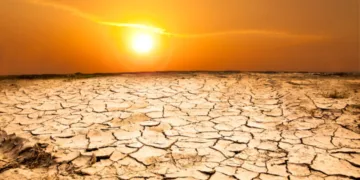























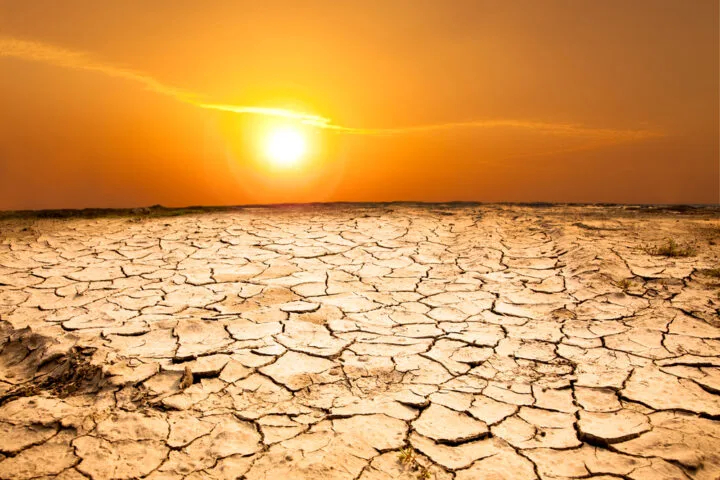
The Ghana Health Service (GHS) has warned of an increased risk of meningitis, heat exhaustion, dehydration and other climate-related health risks as the country progresses into the harmattan season amid the anticipated El Niño weather phenomenon.
The warning follows a forecast by the Ghana Meteorological Agency on the anticipated negative effects of El Niño.
In a statement dated November 18, 2026, and signed by the Director-General, Dr. Samuel Kaba Akoriyea, the Service said the predicted high temperatures will have serious implications for health, especially during the harmattan period.
The Service explained that the El Niño phenomenon can increase vulnerability to respiratory infections and meningitis outbreaks as the harmattan progresses, with prolonged dry spells and increased dust levels worsening conditions.
It added that sudden rainfall and flooding in parts of Southern Ghana will also require heightened awareness and appropriate actions to protect the health of the population.
The Service is therefore urging parents, teachers, traditional authorities, religious leaders, community organisations and local government authorities to intensify public education and promote preventive practices, particularly in the Northern, Upper East, Upper West, Savannah, Northeast, Bono East and other vulnerable areas.
While the El Niño phenomenon does not automatically mean Ghana will experience a meningitis outbreak, the GHS said the anticipated hot, dry and dusty conditions make early preparedness essential.
The Ministry of Health through the Ghana Health Service assured the public that it will continue to monitor the situation and update the public accordingly.