





















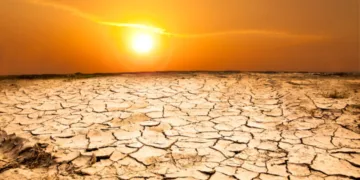




















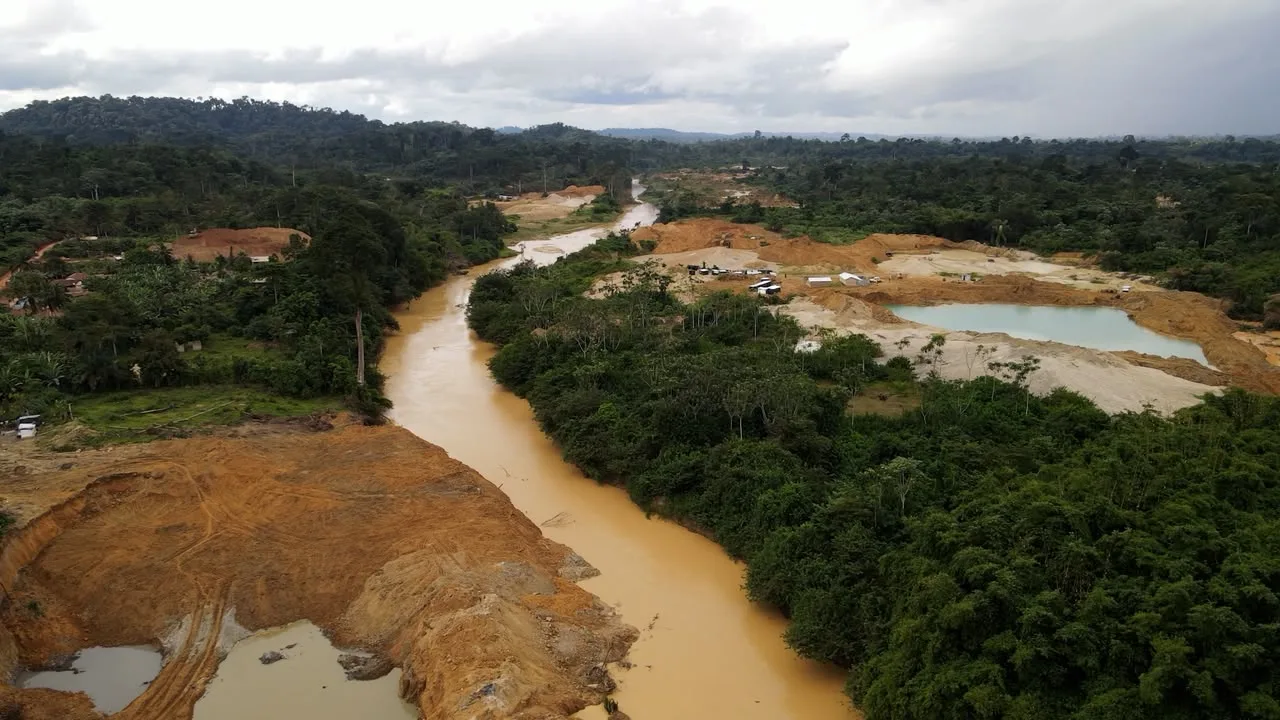
About 60 per cent of Ghana’s freshwater bodies have been degraded, with experts warning that continued pollution could put the country’s water supply at risk and potentially force it to import water.
The warning follows findings by United States scientists that mercury concentrations in the Pra and Ankobra rivers are more than 55 times the average levels recorded in streams across the United States.
The contamination has largely been linked to illegal small-scale mining, popularly known as galamsey, which continues to threaten the country’s water resources.
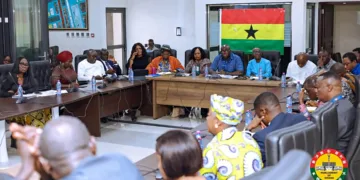
According to The Hawk Newspaper monitored by Angelonline on Thursday November 19, the findings were presented by the United States Geological Survey (USGS) and the US Embassy at the Ambassador’s Water Experts Programme (AWEP) Symposium held in Accra on November 10 and 11, 2026.
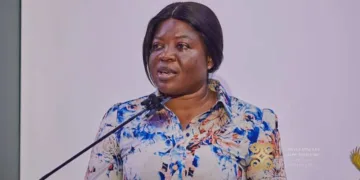
Speaking at the event, USGS chemist, Dr. Grace Armstrong, said tests conducted on the two rivers revealed alarming levels of mercury contamination, with concentrations exceeding US stream averages by more than 55 times.
She explained that mercury is carried along the rivers through mud and sediment disturbed by mining activities, particularly dredging and excavation of riverbeds, exposing communities downstream to the toxic substance.
Dr Armstrong further disclosed that artisanal and small-scale gold mining contributes more than 35 per cent of global mercury emissions into the atmosphere.
According to her, the burning of gold-mercury mixtures during gold extraction releases mercury vapour into the air, which can travel over long distances before settling on farmlands and water bodies.
She warned that the danger extends beyond the immediate mining sites, as mercury deposited in rivers can be converted into methylmercury, a highly toxic compound that accumulates in fish and eventually enters the human food chain.
Consumption of contaminated fish, she noted, exposes communities that depend on river resources to serious health complications, including kidney damage, cardiovascular problems and neurological disorders.
The substance also poses significant risks to pregnant women and unborn children, with the potential to cause severe developmental and neurological damage.
Participants at the symposium cautioned that the continued destruction and contamination of freshwater resources could undermine Ghana’s access to safe drinking water, raising concerns about the possibility of relying on imported water if urgent measures are not taken.
US Embassy Chargé d’Affaires, Rolf Olson, reaffirmed the United States’ commitment to supporting Ghana’s efforts to strengthen water quality monitoring and promote mercury-free gold processing methods among small-scale miners.
He stressed the need for stronger regulatory enforcement, transparency and international scientific collaboration to address the growing pollution crisis.
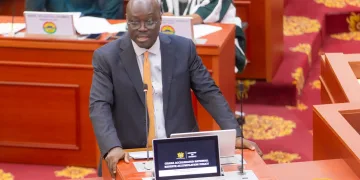
The Minister for Environment, Science and Technology, Dr Zanetor Agyeman-Rawlings, reiterated Ghana’s commitment to its obligations under the Minamata Convention on Mercury, particularly the gradual elimination of mercury use in gold processing.
However, the high cost of alternative technology remains a major challenge to the transition.
Participants disclosed that mercury-free gold processing equipment, popularly known as ‘gold catchers’, costs approximately US$113,000 per unit, making it largely unaffordable for many small-scale miners without financial support from government and other institutions.
The concerns come at a time Ghana’s small-scale gold trade is recording significant growth.
Figures presented in the 2027 Budget indicate that the Ghana Gold Board (GoldBod) has exported 88 tonnes of small-scale gold valued at approximately US$12 billion since January 2026.
The government has also earmarked GH¢200 million for the National Anti-Illegal Mining Operations Secretariat (NAIMOS) and GH¢400 million for land reclamation in the 2027 Budget.
The latest findings have renewed concerns about the environmental cost of the country’s expanding gold production and the urgency of protecting water bodies from further destruction.
Source: Abigail Ekua Arhin