























































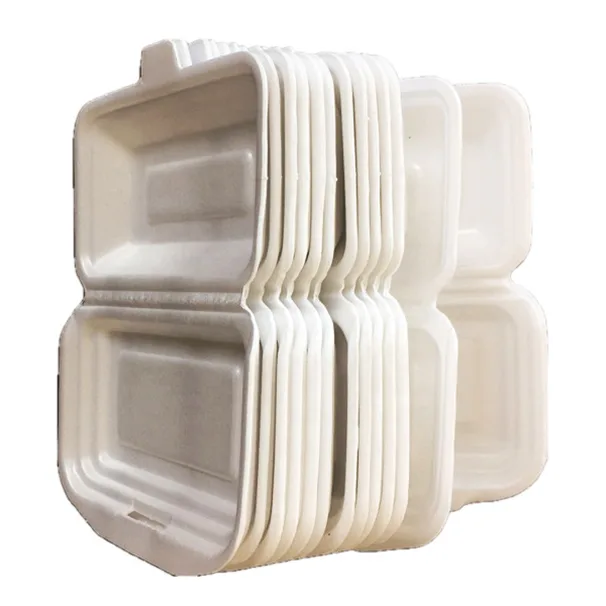
The Environmental Protection Agency (EPA) has set January 1, 2027, as the deadline for a nationwide ban on styrofoam food containers and related products in Ghana.
The prohibition will affect the importation, manufacture, distribution, sale and use of the products as part of efforts to reduce plastic pollution and address associated public health concerns.
The Ashanti Regional Director of the EPA, Dr. Jackson Adiyiah Nyantakyi, announced the deadline at a side event during the 31st United Nations Climate Change Conference (COP31) in Antalya, Türkiye.
Speaking on behalf of the EPA’s Chief Executive Officer, Professor Nana Ama Browne Klutse, he said the materials pose environmental challenges because they are difficult to recycle, easily scattered by wind and capable of blocking drains.
“Because of its lightweight nature, it spreads very easily, and it gets into the environment, and people dispose of them anyhow. This contributes to the sanitation and drainage challenges we have in the country,” he said.
He also raised concerns about the potential health risks associated with chemicals used in their production and the contribution of their breakdown to microplastic pollution.
According to him, the ban was necessary to protect public health and minimise the environmental impact of styrofoam products.
“The vision is that people should live long. You can make money, but if you do not have the life to enjoy that money, then what is the benefit?” he stated.
Dr. Nyantakyi said the policy follows a June 5, 2025 directive by President John Dramani Mahama for the EPA to develop a roadmap to phase out styrofoam food containers.
With the deadline approaching, the Authority has begun engaging manufacturers, importers, wholesalers and retailers to prepare them for the transition.
Importers have been advised against placing new orders, while local manufacturers, including about six companies producing the affected materials, are being encouraged to explore alternative packaging options.
The EPA also disclosed they are promoting biodegradable alternatives such as traditional food-wrapping leaves, plant-based packaging and paper containers.
It has also begun public education campaigns targeting food vendors, market operators, retailers and consumers ahead of the implementation of the ban.
Dr. Nyantakyi said stakeholder cooperation and the adoption of sustainable packaging alternatives would be critical to enforcing the restrictions.
Source: Abigail Ekua Arhin