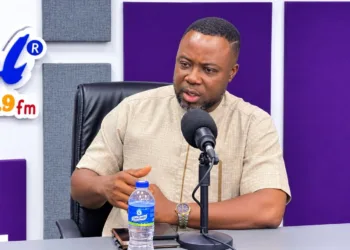

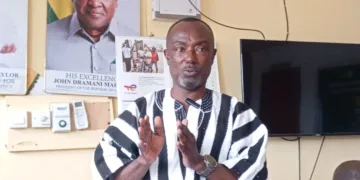



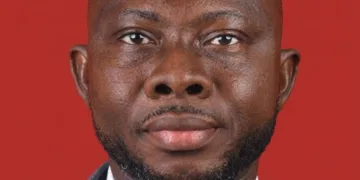

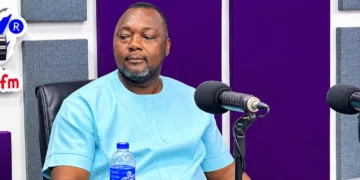




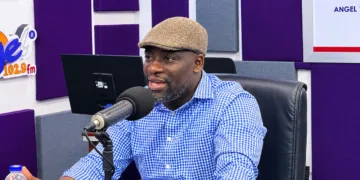




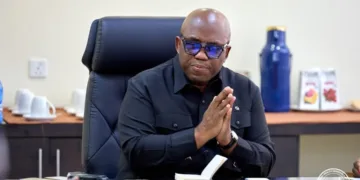

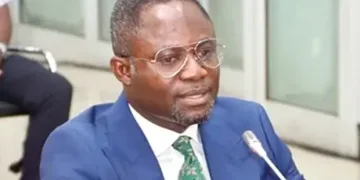


















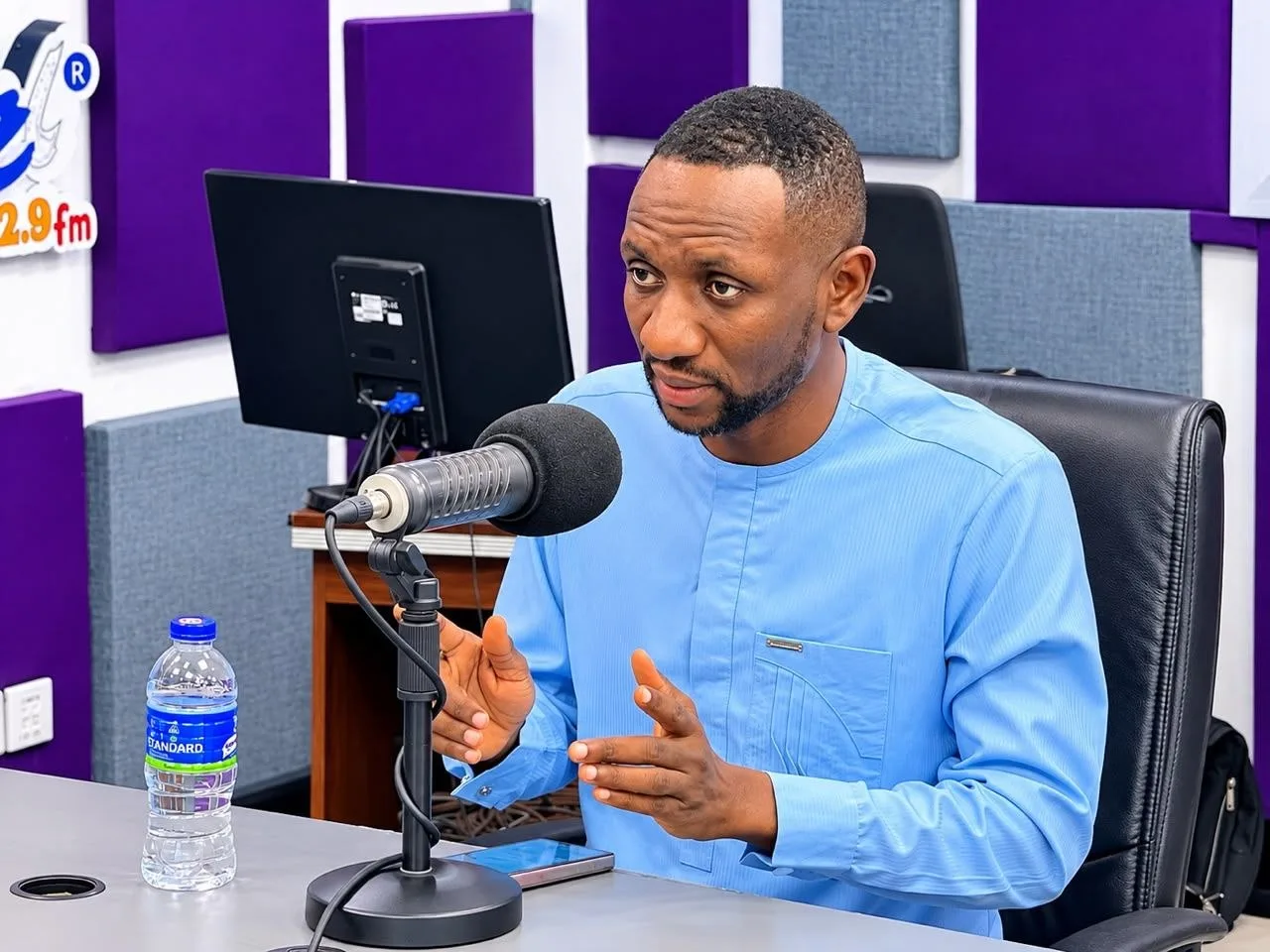
Former Chief Executive Officer (CEO) of the National Entrepreneurship and Innovation Programme (NEIP), Kofi Ofosu Nkansah, has questioned the strength of the government’s proposed eight-pillar economic programme.
Mr. Ofosu argued that most of its components are not different from policies previously introduced by the NPP.
He said a comparison of the NDC’s performance over the past two years and the eight pillars suggests that the programme could be weak, particularly because similar initiatives were already captured under the previous NPP administration’s Ghana CARES programme and the 24-Hour Economy policy.
“If we compare the NDC’s record over the past two years and the 8 pillars, it means it is weak or it is going to be weak. Because we the NPP said same things in COVID era under the Ghana Cares. where we started working on some,” he stated.
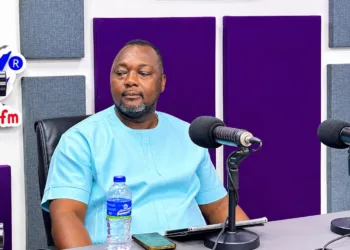
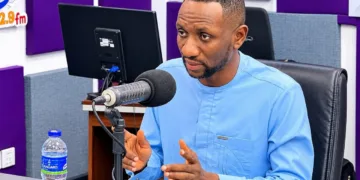
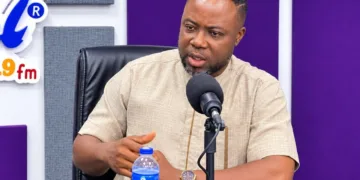
Speaking in a panel discussion on Angel FM’s ‘Anɔpa Bɔfoɔ’ on Thursday November 19, Mr Ofosu Nkansah said the NPP had initiated similar interventions during the COVID-19 period under the Ghana CARES programme, some of which had already begun implementation.
He argued that the NDC had largely repackaged those initiatives under its 24-Hour Economy programme, with similar objectives and areas of focus.
“Because we the NPP said same things in COVID era under the Ghana Cares. where we started working on some. And when they came, the brought the same phases under the 24 hr economy,” he said.
According to him, initiatives such as commercial agriculture, textiles, garments and manufacturing were already captured under the previous 24-hour economy policy framework.
He cited the Grow24 initiative, which focuses on commercial agriculture, and Make24, which covers textiles, garments and manufacturing, as examples of programmes that bear similarities to the 24-hour earlier interventions.
Mr. Ofosu Nkansah maintained that a review of the eight pillars would reveal that almost all the areas had already featured in the 24-Hour Economy programme.
He said the similarities raise questions about the originality and strength of the government’s proposed economic interventions.
Source: Abigail Ekua Arhin