















































The inability of some patients to afford expensive MRI scans is making it difficult for them to establish whether they have pineal region tumours, a potentially life-threatening brain condition.
According to the Ghanaian Times newspaper monitored by Angelonline on Friday November 20, a senior neurosurgeon at the Greater Accra Regional Hospital, Dr. Justice Asare, says the situation is contributing to the underdiagnosis of the condition, as many patients are unable to proceed with recommended investigations and treatment.
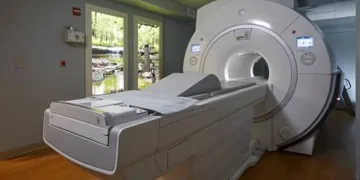
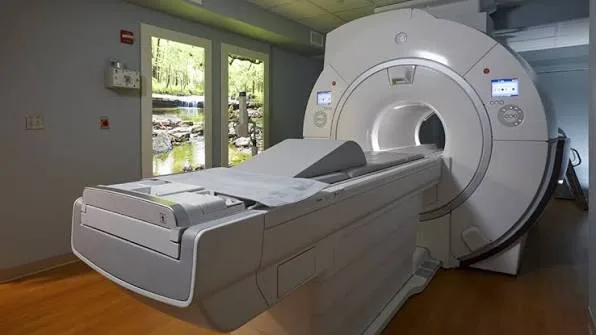
An MRI scan, which plays a critical role in detecting the tumours, costs between GH¢2,600 and GH¢3,000 at some public and private health facilities, making it inaccessible to patients with limited financial resources.
Pineal region tumours occur in or around the pineal gland, a small organ located deep within the brain. They can block the movement of cerebrospinal fluid, causing pressure to build up inside the skull and potentially affecting a patient’s vision and balance.
Dr. Asare also said Ghana lacked reliable figures on the condition because many suspected cases remained undetected.
He said the financial barriers associated with MRI scans meant several patients with persistent headaches could not undergo the necessary examinations to confirm their condition.
“You can imagine how many patients can afford it when they have headaches. So it is difficult to talk about the prevalence of pineal region tumours in Ghana. We don’t have the data,” he said.
Dr Asare identified contrast MRI with a neuronavigation protocol as the most reliable imaging method for diagnosing pineal region tumours.
He explained that managing the condition was complicated by the different types of tumours and their location, noting that they could be either cancerous or non-cancerous.
He said treatment outcomes were encouraging for certain types, particularly germinomas, which make up the majority of pineal region tumours, with about 95 per cent responding positively to radiotherapy and chemotherapy.
However, he noted that removing benign tumours through surgery was particularly difficult, with only about two to three successful operations of that nature recorded in Ghana.
He said the complexity of the procedure stemmed from the tumour’s location near delicate structures of the brain, including the thalamus, habenular nucleus, third ventricle and aqueduct.
Dr Asare further cautioned that surgery could result in severe complications if major veins around the affected area, particularly the vein of Rosenthal and the great vein of Galen, were damaged.
He explained that such injuries could have devastating consequences, including patients failing to regain consciousness after surgery.
“Once you damage those veins, you are going to cause problems to the patient. Patients may not even wake up,” he said.
The neurosurgeon said doctors generally needed to obtain tissue samples through a biopsy to determine the exact type of tumour before commencing radiotherapy or chemotherapy.
On the signs of the disease, he disclosed that persistent headaches, particularly around the back of the head, accounted for about 60 per cent of cases.
Other symptoms include vomiting in the early hours of the morning, difficulty directing the eyes upwards and an unusual retraction of the upper eyelids, medically referred to as Collier’s sign.
The difficulties patients face in accessing care were evident in the account of Mrs Ama Yeboah, a trader who said she had been unable to undergo a recommended MRI scan because she could not afford the cost.
She said she was quoted GH¢2,600 at Korle Bu Teaching Hospital, while a private diagnostic centre demanded approximately GH¢3,000 for the procedure.
Mrs Yeboah explained that her trading income was insufficient to cover the cost, as she already struggled to meet her daily and household expenses.
In another case, a female trader, who requested anonymity, disclosed that she had incurred about GH¢110,000 in medical expenses and surgical requirements before undergoing a successful operation.
“I have already spent about GH¢110,000 on items for the surgery. I do not have GH¢20,000 for the radiotherapy,” she stated.
She said her employer provided financial support to help her through the surgery.
However, subsequent findings showed that the tumour was cancerous, requiring additional radiotherapy estimated at GH¢20,000.
Having exhausted much of her financial resources on the operation, she said she was unable to raise the amount needed for the next stage of treatment and appealed to the public for assistance.
Source: Abigail Ekua Arhin