


























































Regulate vehicle conversion centres instead of shutting them down – Bernard Oduro Takyi
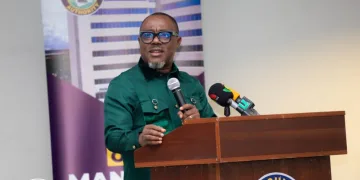
Founder and Chief Executive Officer (CEO) of Omanbapa Auto & Pre-Export Verification of Conformity (PVoC) Ltd, Bernard Oduro Takyi, has urged the government to regulate vehicle conversion centres in Ghana rather than abolish their operations under the new directive on the shipment of right-hand-drive vehicles.
He argues that shutting down the centres could further worsen unemployment, particularly at a time when the government has yet to create sufficient job opportunities for Ghanaians.
“From my business point, my suggestion to the government is that, since they’ve not created more jobs, they shouldn’t get rid of the ones available but rather let’s regulate the conversion centres,” he said.
Speaking in an interview on Angel FM’s ‘Anɔpa Bɔfoɔ’ on Thursday, November 25, Mr Oduro Takyi suggested that authorities should focus on strengthening regulatory measures to address the challenges associated with the centres instead of rendering them redundant.
He maintained that since the Minister for Transport could still grant authorisation for certain vehicles to enter the country, it would be more practical to establish proper controls to ensure compliance.
Mr Oduro Takyi disclosed that he had engaged several operators of the centres, who had expressed their willingness to cooperate with regulatory authorities and comply with the necessary requirements.
“I have communicated with most of them, and they said they’re willing and ready to comply,” he stated.
He further called for the Ghana Standards Authority’s Vehicle Homologation Unit to be given a stronger role in overseeing vehicles imported into the country.
According to him, the unit was established to ensure that vehicles entering Ghana meet the required standards, making it an appropriate institution to address regulatory concerns surrounding vehicle imports.
“Secondly, it is the job of the Ghana Standards Authority. They have the Vehicle Homologation Unit. And the aim of that unit is to regulate every car that is entering the country,” he said.
He argued that challenges within the existing system should prompt reforms rather than an outright shutdown, insisting that effective regulation could protect jobs while creating additional employment opportunities.
“If the system is giving problems, then regulate it. If you do that, you create jobs and create avenues,” he added.
Source: Abigail Ekua Arhin