






















































The Ministry of Education has announced a two-year ban for pupils who attempt to sit the Basic Education Certificate Examination (BECE) before completing the prescribed period of basic education.
The directive, which takes immediate effect, is intended to discourage the practice of pupils advancing themselves to higher classes to write the examination ahead of their peers.
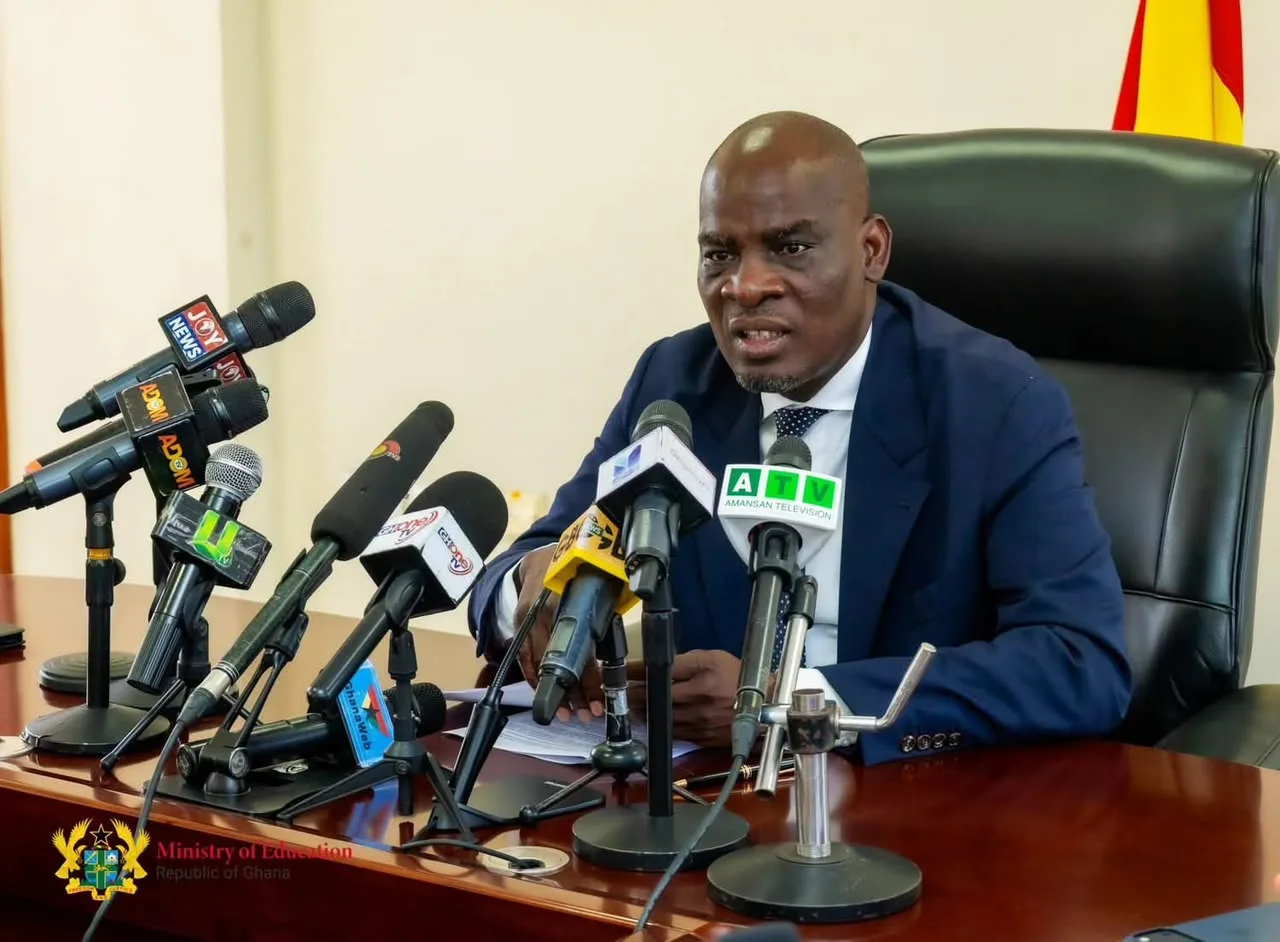
According to the Daily Graphic newspaper monitored by Angelonline on Tuesday November 24, the Minister of Education, Haruna Iddrisu, announced the measure on Tuesday, November 24, at the opening of this year’s Education Week in Accra, warning that any JHS One or Two pupil who registers to write the BECE prematurely will be barred from taking the examination for two years.
He said the measure was necessary to enforce discipline in the education system and ensure proper planning of the number of candidates expected to complete basic education each year.
“We are doing this to instil discipline and to allow for the purpose of effective planning so that we know that every year, this is the total number of students expected to graduate from BECE and not the numbers that we have witnessed,” Mr Iddrisu stated at the opening of this year’s Education Week,” he said.
Mr Iddrisu expressed concern about parents pushing their children to sit the examination before they were due, maintaining that such practices undermined equity in the education system.
He consequently urged the Director-General of the Ghana Education Service (GES) to ensure strict compliance with the directive.
Addressing the theme for the two-day celebration, “Harnessing Artificial Intelligence for Inclusive and Transformative Education in Ghana,” the minister said the country’s AI agenda must focus on improving learning outcomes and widening access to quality education.
He said Ghana’s ambition should go beyond introducing artificial intelligence (AI) into classrooms to developing a skilled human resource base capable of competing in an increasingly technology-driven world.
Mr Iddrisu, however, questioned the country’s preparedness to adopt AI, stressing the need for an education system that could embrace the technology while ensuring its ethical and responsible use.
He noted that the rapid integration of AI into various sectors of the economy presented new challenges for governments and education stakeholders, making it necessary for Ghana to carefully position its education system to respond to emerging developments.
He further stressed that AI should be deployed as a tool to bridge existing educational inequalities and improve access to inclusive learning opportunities.
The minister also assured teachers that the government’s adoption of AI would complement their work rather than make them redundant. He said the technology was intended to strengthen teaching and develop critical thinking among learners, not replace the role of teachers in the classroom.
“So, our teachers in this room, don’t be afraid that the government of Ghana will employ technology in the name of AI to replace you. It will only complement your efforts and develop critical minds,” he assured teachers.
The National Coordinator of the Ghana National Education Coalition Campaign, Bernice Mpere-Gyekye, welcomed the government’s decision to prioritise artificial intelligence in the education sector, commending the Ministry of Education for initiating a national conversation on its application in the country’s education system.
She, however, stressed that while the coalition supported the adoption of AI in education, technology must serve the needs of education rather than dictate its priorities.
Mrs Mpere-Gyekye said the success of the initiative should be measured by its impact on learning outcomes, teaching effectiveness, the reduction of educational inequalities and the expansion of opportunities for all learners.
Meanwhile, the Deputy Minister of Education, Dr Clement A. Apaak, reaffirmed government’s commitment to incorporating AI and other digital tools into the national school curriculum.
He said the initiative formed part of efforts to equip Ghanaian students with the skills needed to thrive in an increasingly interconnected world.
Dr Apaak added that the government would leverage emerging technologies to strengthen teacher effectiveness and improve learning outcomes.
The two-day Education Week celebration has brought together key stakeholders in the education sector, including representatives of agencies under the ministry, academia and development partners, to deliberate on the opportunities AI presents for Ghana’s education system.
Source: Abigail Ekua Arhin