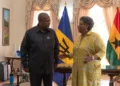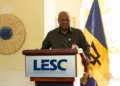










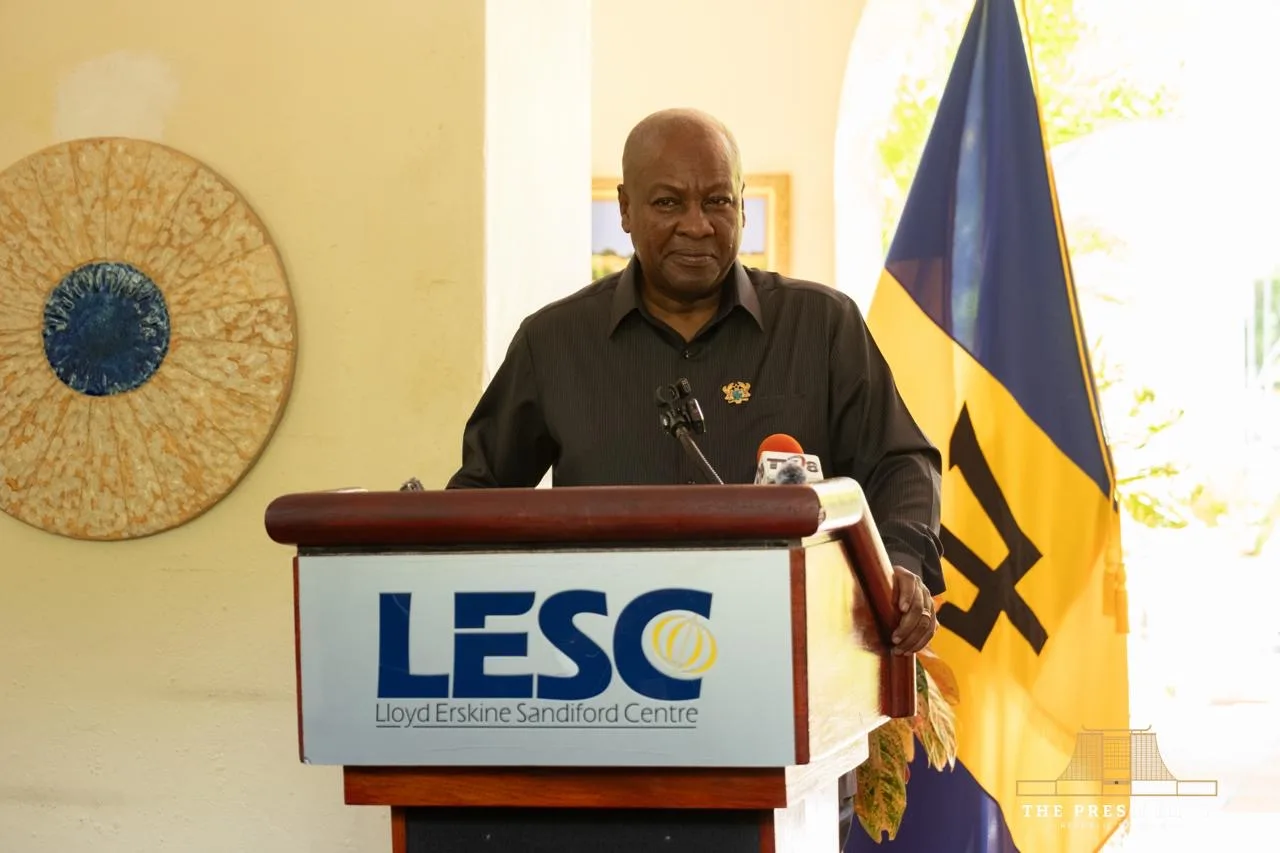
President John Dramani Mahama has honoured enslaved African men, women and children buried at Newton in Barbados, describing the ancestral memorial as an important place to preserve their memory and recognise the human cost of slavery.
He made the remarks on Sunday, November 29, 2026, at the official opening of the Ancestral Memorial to the Enslaved and Barbados Heritage District in Newton.
President Mahama said those buried on the grounds had names, families and individual lives, but were treated as property under the system of slavery, which tore families apart and subjected them to forced labour through violence.
He said the memorial offered an opportunity to remember them as people whose lives mattered and whose memory must be preserved for future generations.
President Mahama noted that Newton was the largest and earliest known excavated communal plantation burial ground in the Western Hemisphere, with an estimated 570 people buried there.
He said excavations at the site revealed the harsh conditions enslaved Africans endured, including short life expectancy, starvation and torture.
According to him, many of the bodies recovered did not live beyond their 30th year, with evidence of starvation and torture found on several of the bones.
President Mahama said Newton and the forts at Elmina and Cape Coast in Ghana provided important evidence of the human cost of the transatlantic trade in enslaved Africans.
He called on people seeking to understand the scale of the injustice to visit both the memorial in Barbados and the forts and castles along Ghana’s coast, where their ancestors were held before being forced onto ships.
The President also called for an honest assessment of the lasting consequences of slavery, noting that its benefits continued to enrich Western monopolies across generations, while the disadvantages imposed on enslaved Africans and their descendants endured long after abolition.
“Reparatory justice begins with an honest accounting of that history, and calls for action to address its long-lasting and enduring consequences,” he said.
He added that the Newton memorial would provide families and communities with a place to mourn and remember, while educating future generations about how slavery shaped their societies.
President Mahama further called for solidarity among Africans and people of African descent, regardless of where they lived, urging them to defend one another against prejudice based on race, birthplace, nationality or migration circumstances.
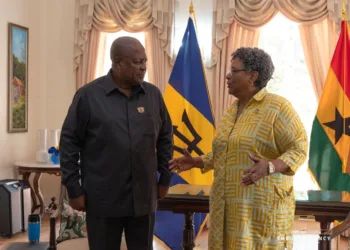
He commended Barbados Prime Minister Mia Amor Mottley, the government and people of Barbados, as well as the historians, researchers, architects and custodians whose efforts made the memorial possible.
He expressed hope that future generations would leave Newton with a deeper understanding of the lives and labour of those buried there and a renewed commitment to remembrance and reparatory justice.