
















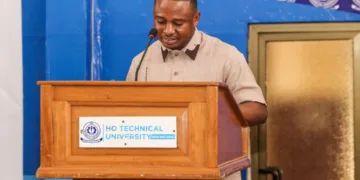









































The President of PIWAK Group of Companies, Dr. Prince Nelson Mortoti, has warned that Ghana cannot achieve meaningful industrialisation if it continues to celebrate certificates while neglecting practical skills.
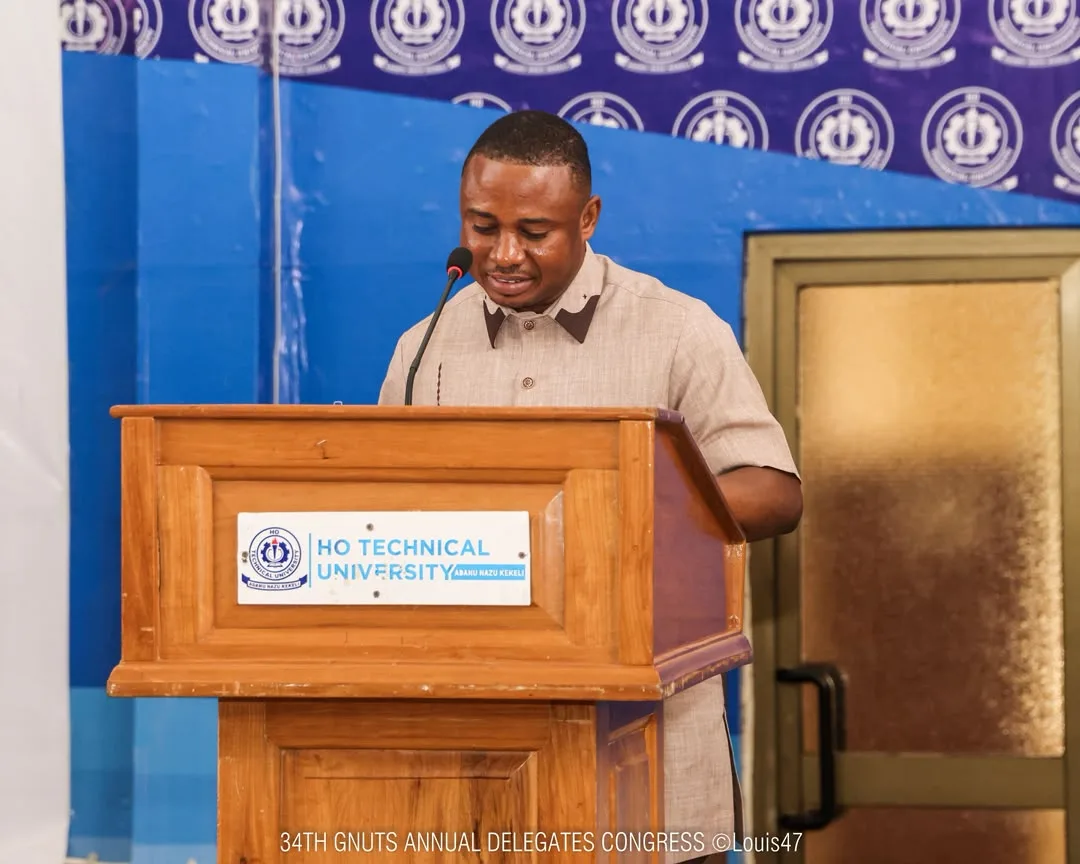
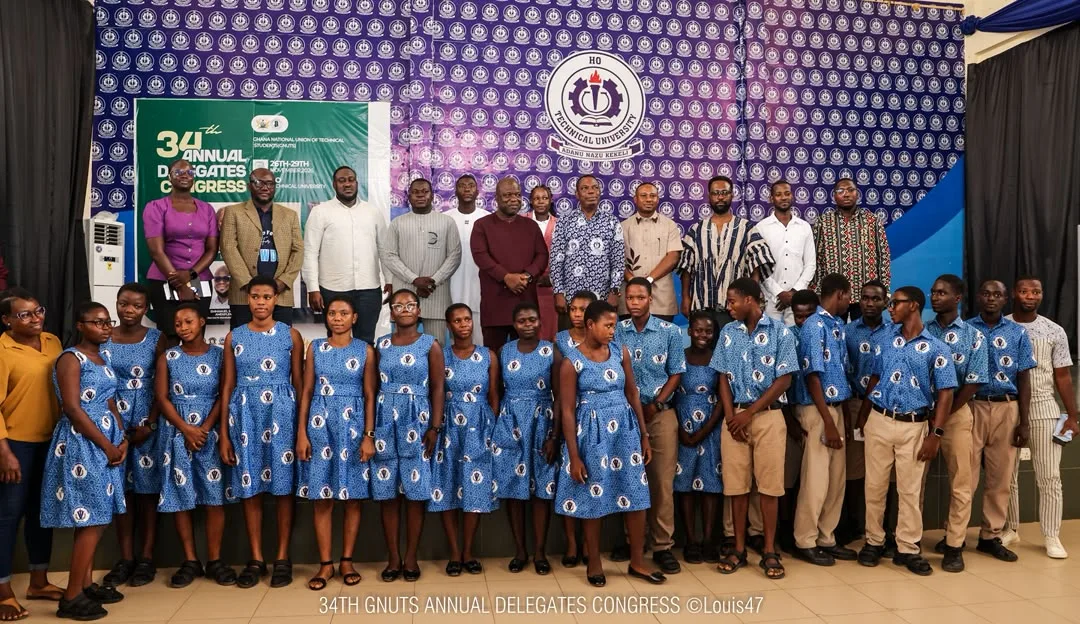
Delivering the keynote address at the Ghana National Union of Technical Students (GNUTS) National Congress at Ho Technical University, Dr. Mortoti said Technical and Vocational Education and Training (TVET) remains one of the fundamental pillars of industrialisation, yet it is still not given the respect it deserves.
“TVET is one of the fundamental pillars of industrialization. A nation that celebrates certificates but neglects practical skills will struggle to achieve meaningful industrialization,” he said.

Speaking on the theme, “Repositioning TVET for National Transformation: Aligning Skills, Innovation and Industry with Ghana’s Economic Future,” he said Ghana’s economic future depends significantly on the quality, relevance and application of the skills being developed today.
He noted that behind every building, road, machine, electrical system and technology is the expertise of people with technical knowledge and practical competence, and said society must stop treating TVET as a second option.
“We must move beyond the perception that TVET is merely an alternative for individuals who cannot pursue other forms of education. Technical education must become a first-choice option for young people who aspire to contribute meaningfully to Ghana’s productive economy,” he stated.

Dr. Mortoti identified the disconnect between what students learn in the classroom and what industry requires as a major challenge.
He called for stronger partnerships between technical universities and industry, including industrial attachments, structured internships, industry participation in curriculum development, joint research, mentorship, and graduate employment and business incubation opportunities.

He also challenged students to move from being consumers of technology to creators of technological solutions, pointing to artificial intelligence, robotics, automation, renewable energy and digital manufacturing as forces reshaping work.
He urged technical universities to integrate entrepreneurship more meaningfully into training, so graduates can turn their skills into businesses; from fashion brands and electrical companies to construction firms and software enterprises.
“Our objective should be to produce graduates who are not only employable but also capable of becoming employers,” he said.
Dr. Mortoti said government must continue to invest in modern infrastructure, well-equipped laboratories, functional workshops and sustainable funding for technical universities, arguing that it is difficult to prepare students for modern industry with outdated equipment.
He also urged student leaders to lead with integrity, service and accountability, and to engage government and industry with well-researched proposals and practical solutions.
“Do not only identify problems; develop solutions. Do not only demand opportunities; position your members to take advantage of them,” he told the delegates.

He closed with six commitments to reposition TVET: change the national perception of TVET, increase investment in infrastructure, strengthen industry collaboration, promote entrepreneurship, embrace technology and innovation, and empower student leadership.
“The future of Ghana will not be built by certificates alone. It will be built by the hands, minds, creativity and technical abilities of its people,” he said.