


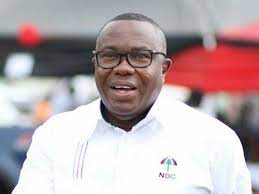



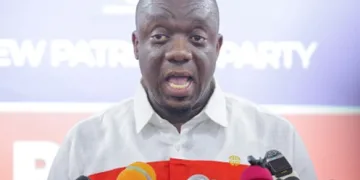

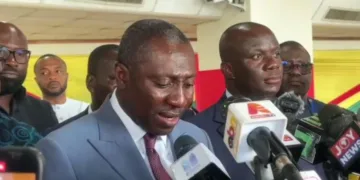














































The Communications Director of the United Party, Solomon Owusu has stated that it doesn’t make sense to drill oil from Ghana, send it to Europe to be refined and shipped back to be sold at high prices.
Speaking in a panel discussion on Angel FM’s ‘Anɔpa Bɔfoɔ’ on Monday, November 9, Mr. Owusu said Ghana must prioritise the development of its local refining capacity to reduce the country’s petroleum import bill.
He noted that Ghana spends more than $5.1 billion annually on petroleum product imports, stressing that investing in local refineries would help retain more economic value within the country.
“Areas that they have picked are good because when you check our import bill, every year, we import petroleum products equals to over $5.1 billion. I’ve seen they’ve started encouraging so that it will process the petroleum. They must give them the necessary assistance so that they can expand it well,” he said.
Mr. Owusu also said the government’s proposed $10 billion investment into the economy over the next four years, amounting to $2.5 billion annually, was a positive step, but urged authorities to provide the necessary support to local refinery operators to expand their operations.
“Areas that they have picked are good because when you check our import bill, every year, we import petroleum products equals to over $5.1 billion,” he stated.
He questioned why Ghana would export crude oil in its raw form to countries such as Rotterdam and Singapore for processing, only to purchase the refined products at expensive prices.
According to him, Ghana also loses out on valuable by-products such as bitumen and kerosene, which are retained by the foreign countries that refine the crude oil before being sold back to Ghana.
Mr. Owusu described the practice as an act of theft, arguing that it undermines the country’s economic interests, especially when efforts could be made to renovate and utilise its own refinery.
He further accused leaders who support the continued importation of petroleum products instead of strengthening local refining capacity of working against the country’s interest.
“The leaders who want to import those products are the ones that don’t want the country well,” he said.
Source: Abigail Ekua Arhin