









































President John Dramani Mahama has announced plans to restrict the export of raw cashew nuts during the first three months of the harvesting season, to ensure local processing companies have adequate supplies.
The move forms part of government’s efforts to promote local value addition, expand the cashew processing industry and create more employment opportunities for Ghanaians.
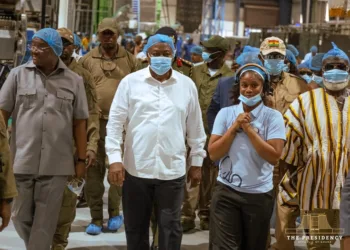
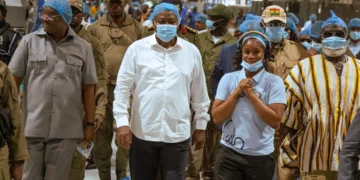
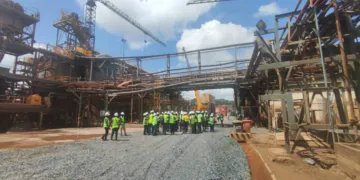
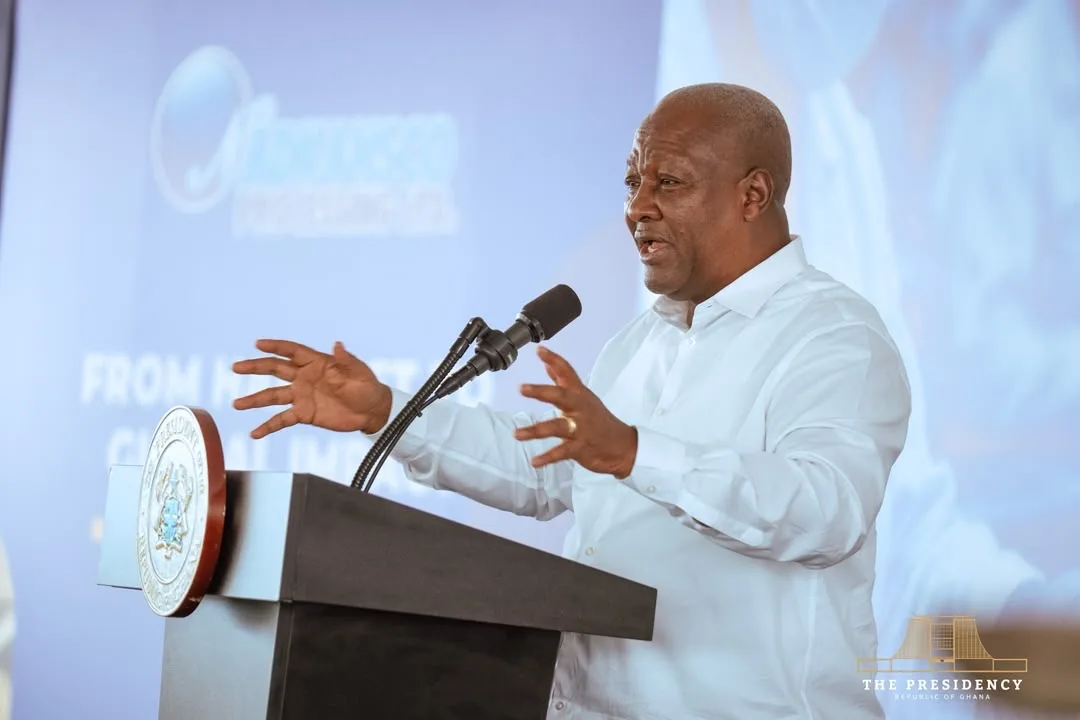
Speaking at the commissioning of NADKANSCO Processing Limited, a cashew processing factory at Tuobodom near Techiman in the Bono East Region, President Mahama said the restriction would give local processors priority in purchasing raw cashew nuts before exporters are allowed to ship the surplus abroad.
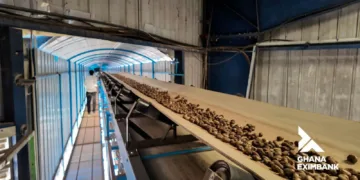
He explained that Ghana produces approximately 262,000 metric tonnes of cashew annually, but the country’s local processing capacity remains insufficient to handle the entire production.
According to him, NADKANSCO’s capacity to process about 30,000 to 31,000 metric tonnes annually is a positive development, but more factories are needed to maximise the economic benefits of the crop.
President Mahama said government would also introduce a levy on raw cashew exports, similar to measures adopted by neighbouring Côte d’Ivoire.
He explained that revenue generated from the levy would be channelled into a fund to support local processors in purchasing more raw cashew nuts for their factories.
The President further disclosed that government would provide additional financing through the Ghana Export-Import Bank (Ghana EXIM Bank) to enable NADKANSCO to purchase and store sufficient quantities of cashew nuts to sustain production throughout the year.
He noted that the factory’s current working capital could only support operations for about 60 to 80 days, making additional financing necessary to prevent interruptions in production.
President Mahama said the measures were intended to ensure that Ghana retained more value from its agricultural produce instead of exporting raw materials and importing finished products.
He urged Ghanaian entrepreneurs to invest in manufacturing and agro-processing, stressing that the country needed more factories capable of processing local raw materials and creating jobs.
He added that government would continue to support businesses under its new economy programme, which prioritises agriculture, agribusiness and industrial production.