



















































An international economic research firm, Fitch Solutions, has predicted Ghana could face renewed economic challenges in 2027, with rising inflation, a weaker cedi and slower economic growth expected to threaten the country’s recent macroeconomic gains.
The research firm has warned that inflation could climb beyond 10 per cent in the second half of 2027, exceeding the upper threshold of the government’s target range of six to 10 per cent.
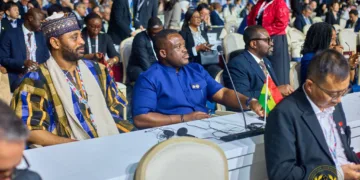
According to The Chronicle newspaper monitored by Angelonline on Tuesday, November 17, the projections were shared by Mike Kruininger, an Associate Director at Fitch Solutions, during a virtual presentation at PwC’s 2027 Post-Budget Forum in Accra on Monday.
His presentation, highlighted several domestic and international developments that could complicate Ghana’s economic recovery in the coming year.
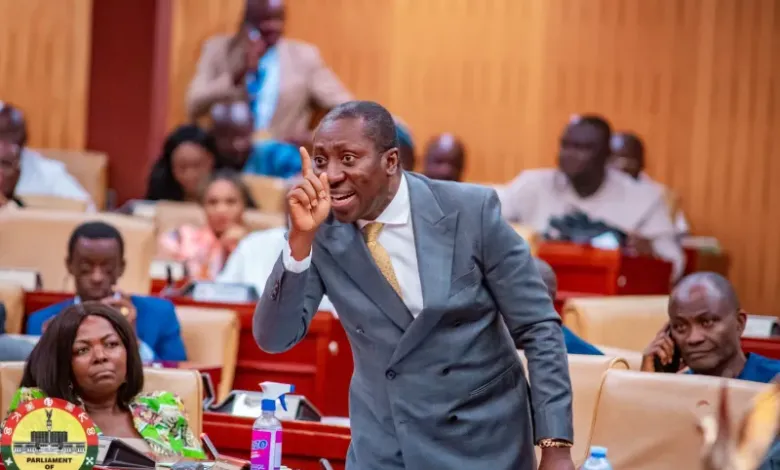
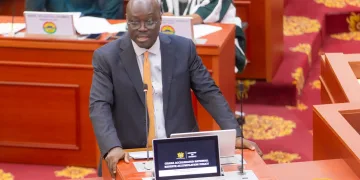
The forecast contrasts with the government’s relatively positive outlook for the economy, as outlined by Finance Minister Dr Cassiel Ato Forson during the presentation of the 2027 Budget Statement and Economic Policy to Parliament on November 12, 2026.
While the government is projecting economic growth of at least 5.2 per cent next year, Fitch Solutions anticipates a slowdown to five per cent, compared with an estimated six per cent in 2026.
Mr Kruininger identified rising global food prices, rapid growth in money supply and a potential depreciation of the cedi as the major threats to Ghana’s inflation outlook.
He warned that the possible emergence of the El Niño weather pattern could disrupt agricultural activities in major food-producing regions, triggering droughts and floods that could affect global food supplies.
According to him, higher international prices of essential commodities, particularly rice and wheat, could have significant consequences for Ghana because of its dependence on imports of the two food products.
He noted that food constitutes a considerable portion of the country’s consumer price basket, meaning any increase in global food prices could quickly translate into higher domestic prices and worsen the cost-of-living situation.
The Fitch Solutions official also pointed to growing money supply, explaining that liquidity in the economy had been expanding at a faster rate than economic output.
He cautioned that the trend could generate additional inflationary pressure within approximately 12 months, as increased liquidity feeds into consumer demand.
A further depreciation of the cedi, he added, could compound the situation by making imported goods and services more expensive.
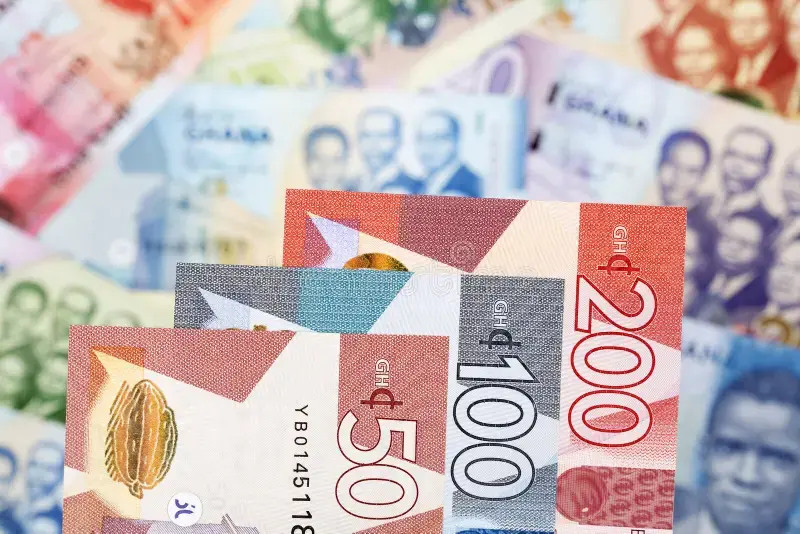
Fitch Solutions has projected that the cedi will trade at an average of about GH¢12.40 to the US dollar in 2027, signalling renewed pressure on the local currency.
Mr Kruininger said the anticipated decline could partly be driven by lower gold prices and the government’s plans to accumulate foreign exchange reserves under the Ghana Accelerated National Programme (GANAP).
He explained that these developments could limit the supply of foreign exchange on the domestic market, potentially weakening the cedi.
He further identified movements in the US dollar and international gold prices as external factors that could influence Ghana’s currency and export performance.
A stronger dollar, particularly in the event of a more aggressive monetary policy stance by the US Federal Reserve, could push gold prices down and reduce Ghana’s export earnings.
Such developments, he warned, could put additional pressure on the cedi and fuel domestic inflation.
On economic growth, Fitch Solutions expects Ghana’s expansion to ease to five per cent in 2027, from the estimated six per cent this year.
Although the projected growth rate remains relatively strong compared with Ghana’s long-term average and the outlook for several sub-Saharan African economies, it falls below the government’s 5.2 per cent target.
Dr Forson, during the presentation of the 2027 Budget under the theme, The New Economy, New Ghana, Jobs and Prosperity, announced a US$10 billion investment programme covering the 2027 to 2030 period.
The initiative is expected to drive infrastructure development, boost agricultural production, strengthen local industries and generate employment.
Mr Kruininger acknowledged that increased public investment would contribute to economic expansion, describing it as an important factor supporting the country’s growth prospects.
However, he cautioned that a resurgence of inflation could erode consumers’ purchasing power and weaken household spending, thereby limiting the expected gains.
On public finances, Fitch Solutions expects Ghana’s fiscal deficit to widen to approximately 2.7 per cent of Gross Domestic Product (GDP) in 2027, marking its highest level since 2023.
Mr Kruininger attributed the anticipated increase largely to higher government spending on infrastructure and other capital projects.
He observed that improved revenue collection, particularly from income and property taxes, had supported the government’s ability to maintain a primary budget surplus in 2026.
Capital expenditure is, however, expected to rise to about five per cent of GDP in 2027, representing its highest level in approximately 16 years.
Despite the projected increase in the deficit, he considered the country’s fiscal exposure manageable, citing the decline in public debt to below 50 per cent of GDP, reduced dependence on domestic Treasury instruments and relatively strong economic growth.
The government’s 2027 fiscal projections, meanwhile, indicate an overall cash-based deficit of 3.6 per cent of GDP and a primary surplus of at least 0.5 per cent on a commitment basis.
Mr Kruininger also assessed the potential impact of the ongoing US-Iran conflict on Ghana’s economic outlook.
He expressed optimism that both countries could reach an initial agreement in the first quarter of 2027, although he expects international oil prices to remain elevated until then.
He projected that crude oil prices could decline significantly from the second quarter if diplomatic negotiations produce a breakthrough.
Ghana, he said, had been relatively protected from the energy crisis because it exports crude oil, despite relying on imports for refined petroleum products.
He estimated that the resulting increase in the country’s energy trade deficit accounted for only about 0.3 per cent of GDP.
Mr Kruininger concluded that Ghana must use its improved economic stability, credit rating upgrades and growing investor confidence to attract meaningful private-sector investment.
He stressed that securing foreign direct investment into productive sectors would be essential to creating jobs, improving incomes and expanding the country’s productive capacity.
According to him, translating the gains from economic recovery into tangible opportunities for businesses and households would be critical to ensuring that the wider population benefits from the country’s improving economic fortunes.
Source: Abigail Ekua Arhin