





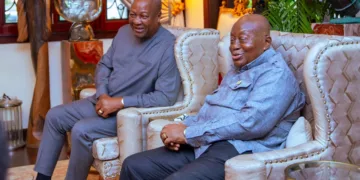
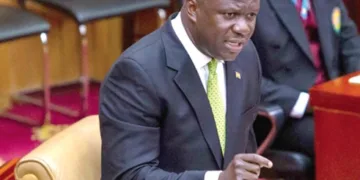








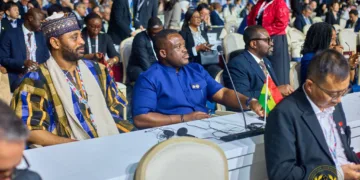




























Parliament’s Human Rights Committee has assured chiefs in the Northern Region that the Anti-Witchcraft Accusations Bill will not sideline them, but will rather make them central partners in ending witchcraft accusations.
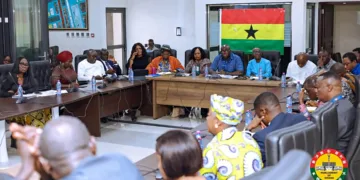
The assurance was given during a stakeholder engagement with the Northern Regional House of Chiefs, as part of consultations to enrich the Bill before it is considered by Parliament.
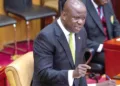
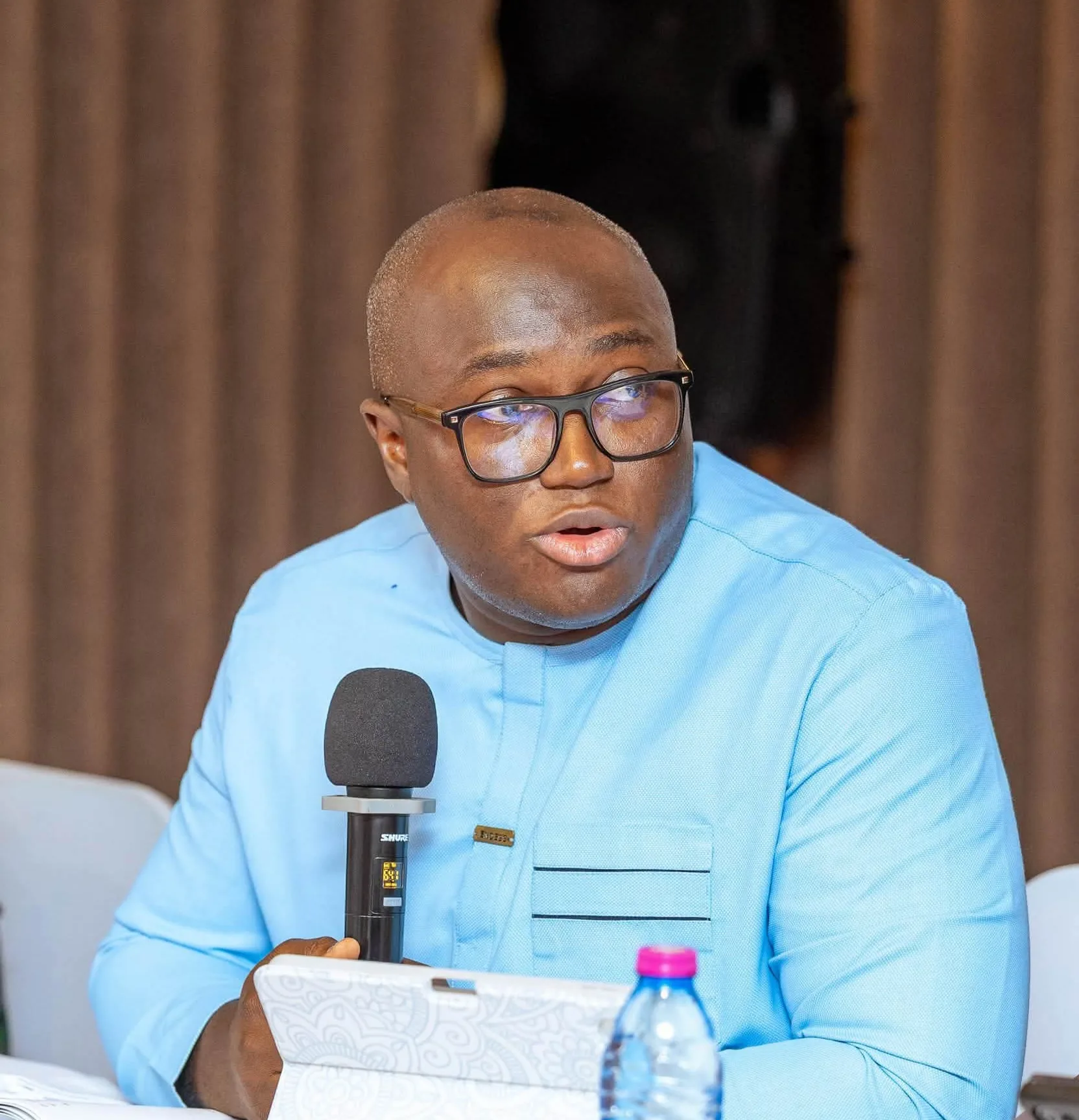
The Chairperson of the Committee, Ernest Yaw Anim, Member of Parliament for Kumawu, led the delegation.
Speaking at the meeting, Anim said the Committee was happy to be in the Northern Region to listen to the ideas of the revered chiefs, whose support he described as critical to the success of the law.
He stressed that education remains key to ending the practice, noting that laws alone have not been enough.
“Without the education, we cannot achieve anything. That is why we know we have laws that have been passed but nothing has happened from them,” he said.
Anim said chiefs, as custodians of tradition and culture, have a critical role to play in protecting victims, mostly elderly women, and in changing attitudes in their communities. He assured them that Parliament will not take their powers from them, adding that their role remains central in the fight against witchcraft accusations.
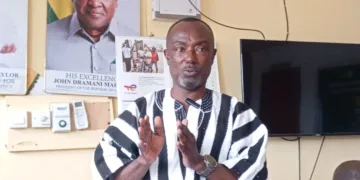
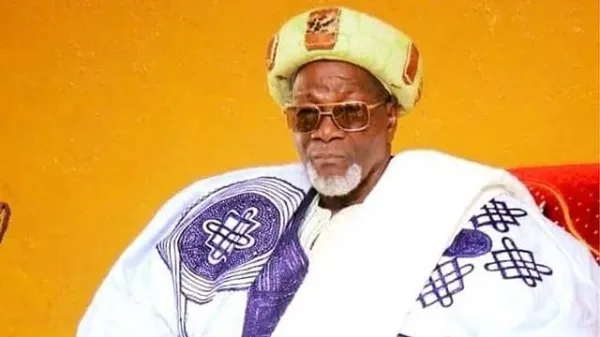
The Paramount Chief of the Kumbungu Traditional Area, Alhaji Naa Abu Iddrisu II, also known as Naa Yab Kumbun-Naa, spoke on behalf of the chiefs. He welcomed the engagement but cautioned that the Bill must reflect realities on the ground.
He explained that although the Bill requires such cases to be reported to law enforcement agencies, most villagers do not know those procedures and will naturally report first to their chief. Chiefs, he said, must therefore be properly involved in how cases are reported and handled, so that victims are protected and not left confused about where to seek help.
Witchcraft accusations remain a serious human rights concern in Ghana, particularly in the Northern, North East and Savannah Regions. The victims are almost exclusively older, poor, widowed or childless women, or women who are seen as independent.
Once accused, many face assault, expulsion from their families, loss of property and permanent exclusion from their communities. Hundreds have fled to so-called witch camps at Gambaga, Kukuo, Gnani and Kpatinga, where they live in difficult conditions with limited access to water, food and healthcare.
The issue gained national attention after the lynching of 90-year-old Akua Denteh at Kafaba in the Savannah Region in July 2020, after she was accused of being a witch.
Parliament passed the Anti-Witchcraft Accusations Bill in July 2023 to criminalise accusations, ban witch-finding practices and provide for the dismantling of the camps and reintegration of victims. However, it never received presidential assent and therefore never became law.
The Bill has since been reintroduced, and the Human Rights Committee has been touring the camps and consulting traditional leaders, civil society and other stakeholders to build support for its passage.
The Committee says the latest engagement with the Northern Regional House of Chiefs is part of that effort, to ensure that when the law is finally passed, it is not only strong on paper, but also workable in the communities where accusations happen, with chiefs, law enforcement and families all playing their part.