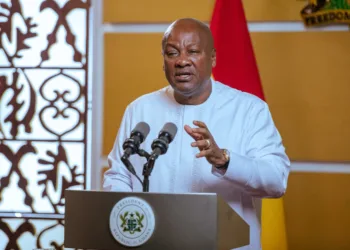






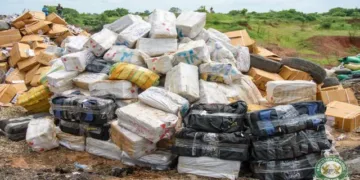


















The Mahama administration is facing mounting pressure to sanction heads of key security and state institutions following a series of cocaine interceptions involving consignments traced to Ghana.
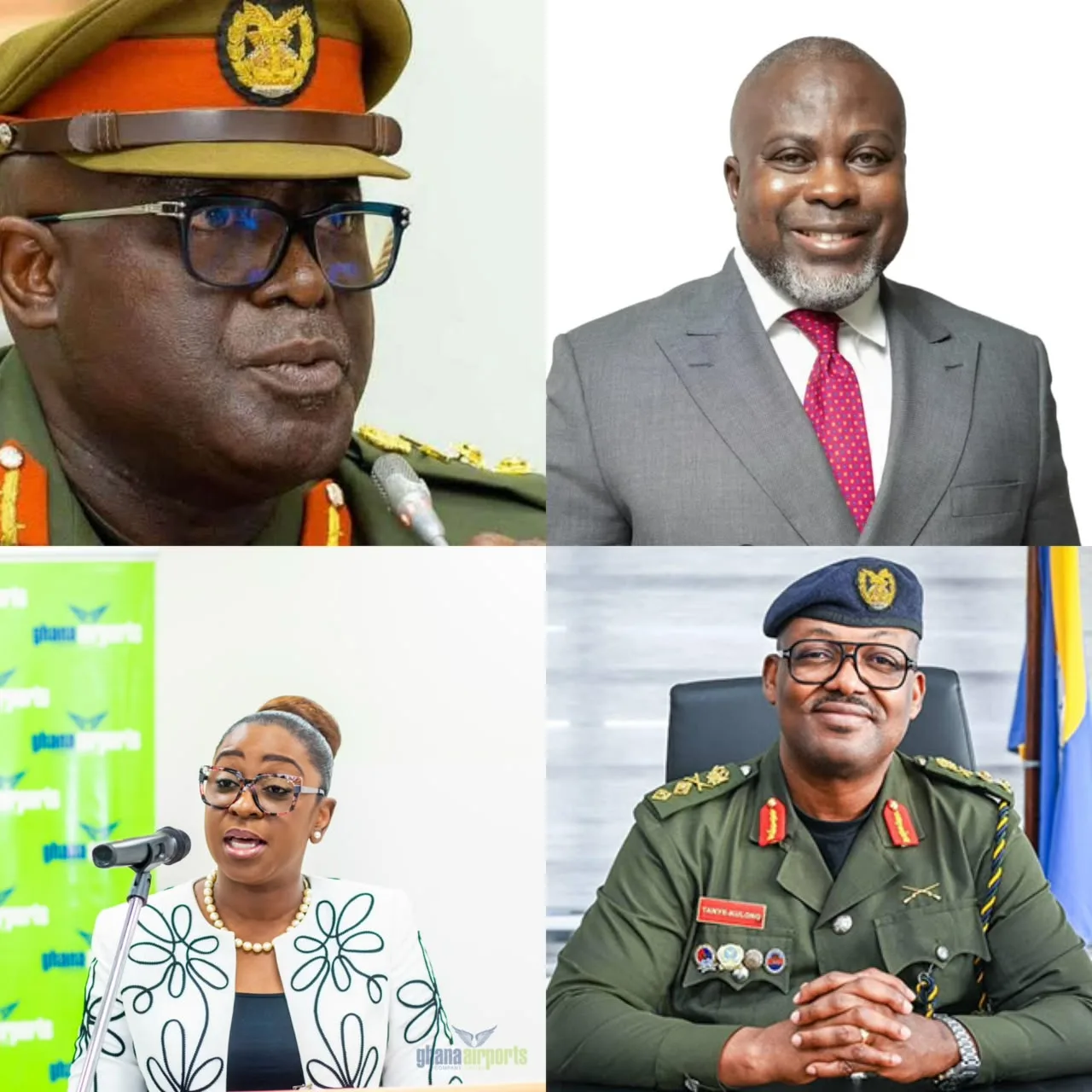
According to The Daily Gist newspaper monitored by Angelonline on Friday November 20, the growing controversy has placed the leadership of the Narcotics Control Commission (NACOC), Ghana Revenue Authority (GRA), Ghana Airports Company Limited (GACL) and Ghana Ports and Harbours Authority (GPHA) under scrutiny, amid concerns about possible lapses in the country’s drug surveillance and border security systems.
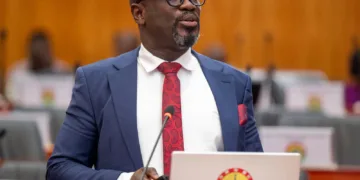
The value of cocaine seizures linked to Ghana over the past year has been estimated at $3 billion, according to the Ranking Member on Parliament’s Defence and Interior Committee, Rev. John Ntim Fordjour.
There are indications that President John Dramani Mahama could make changes at some of the affected institutions as pressure mounts on his government to demonstrate its commitment to fighting the drug trade.
The President is also expected to undertake appointments and possible changes in December 2026, raising questions about the continued stay in office of some officials whose two-year contracts are reportedly due to end before the close of the year.
Although the Presidency has not officially announced any impending dismissals, the latest developments have heightened calls for the removal of officials whose institutions have been linked to the repeated movement of narcotics through Ghana.
The controversy has become a major test of the government’s commitment to tackling drug trafficking, particularly as international authorities continue to intercept substantial quantities of cocaine originating from the country.
One of the incidents that intensified the concerns was the seizure of about 3.9 tonnes of cocaine by French customs officials at the Port of Dunkirk in September 2026.
The drugs, concealed in a container declared as plastic waste, were reportedly shipped from Ghana and valued at approximately €225 million.
The interception raised serious questions about the effectiveness of cargo inspection at Ghana’s ports, especially how such a large consignment could leave the country without detection.
Subsequent investigations led to the arrest of several individuals, including four officers of the Customs Division of the GRA. About ten persons were reported to be in custody as inquiries continued.
In the wake of the incident, President Mahama summoned security chiefs and relevant government agencies to an emergency meeting at Jubilee House on September 17, 2026, to examine weaknesses in the country’s anti-narcotics operations.
The meeting focused on intelligence-sharing, cargo inspection, security coordination and the use of technology to identify and intercept illicit substances.
The President subsequently directed the formation of an inter-agency task force and gave it two weeks to develop a comprehensive strategy for preventing drug trafficking through Ghana’s borders.
However, the October 1 deadline passed without the roadmap being made public, prompting the opposition New Patriotic Party (NPP) to question the government’s progress in addressing the situation.
The concerns were further heightened by another incident on October 31, 2026, when Lebanese authorities intercepted a Syrian national at Beirut’s Rafic Hariri International Airport after arriving from Accra aboard Middle East Airlines flight MEA 576.
Approximately 46.7 kilogrammes of cocaine were reportedly found in two suitcases fitted with electronic tracking devices.
NACOC later indicated that the consignment had been permitted to travel as part of a controlled delivery operation intended to help identify other members of the suspected trafficking network.
The explanation, however, attracted political criticism, with the NPP demanding clarity on the operation and questioning the circumstances surrounding the alleged arrests in Ghana.
Another major seizure occurred on November 11, 2026, when Spanish authorities intercepted 2.6 tonnes of cocaine at the Port of Valencia.
The consignment, which had arrived from Ghana’s Tema Port on August 2, was hidden beneath false compartments in wooden crates used to transport coconuts.
Spanish investigators reportedly traced the shipment to a warehouse in Almeria, where two men were arrested during the unloading of the cargo. No arrests had been announced in Ghana in connection with the shipment at the time of the report.
The latest incidents have also brought renewed attention to earlier international cocaine interceptions involving Ghanaian exports.
These include the June 2025 seizure of approximately 4.5 tonnes of cocaine concealed in timber at Amsterdam, the November 2025 interception of 2,829 kilogrammes hidden in cassava flour at Antwerp, and a further 1,158 kilogrammes seized at the same Belgian port in December 2025.
JoyNews Research reported in October 2026 that Ghana had recorded 11 cocaine-related cases among 28 narcotics seizures since March 2025.
The estimated street value of the cocaine intercepted within the period was put between US$1.3 billion and US$1.7 billion.
The NPP has made the growing number of seizures a central part of its criticism of the government’s handling of national security, insisting that the repeated incidents raise serious questions about the country’s international image.
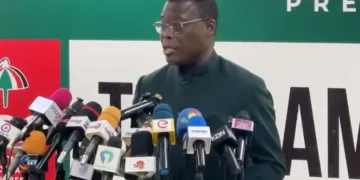
At a press conference on November 4, 2026, the party’s National Vice Chairman, Henry Nana Boakye, popularly known as Nana B, accused the Mahama administration of failing to protect Ghana’s reputation despite the increasing number of cocaine-related incidents.
He called for the immediate removal of the heads of NACOC, GACL, GPHA and National Security, arguing that their continued stay in office, amid the developments, raised concerns about institutional accountability.
The party also wants a bipartisan parliamentary inquiry into all cocaine seizures linked to Ghana since January 2025, with a call for the arrest and prosecution of any officials found to have facilitated the movement of the drugs.
It further questioned the shipping arrangement between the Tema Port and Colombia’s Port of Cartagena, insisting that the agreement required a thorough security assessment.
Source: Abigail Ekua Arhin