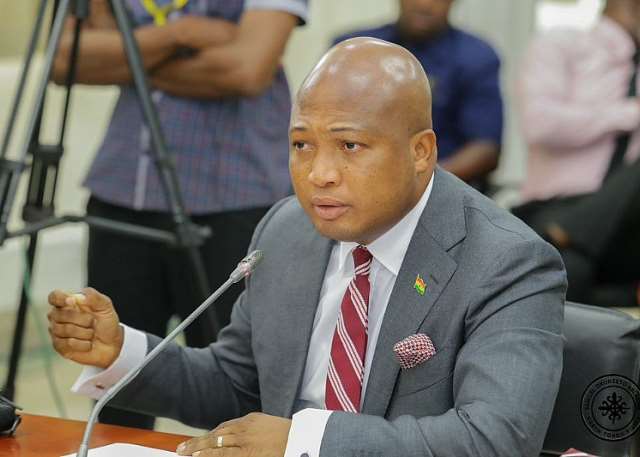




































President John Dramani Mahama has said Africans who were subjected to slavery were not passive victims but courageous people who resisted oppression and fought to defend their freedom and dignity.
He said the history of slavery must also recognise the courage, determination and resistance of Africans who refused to accept their oppression.
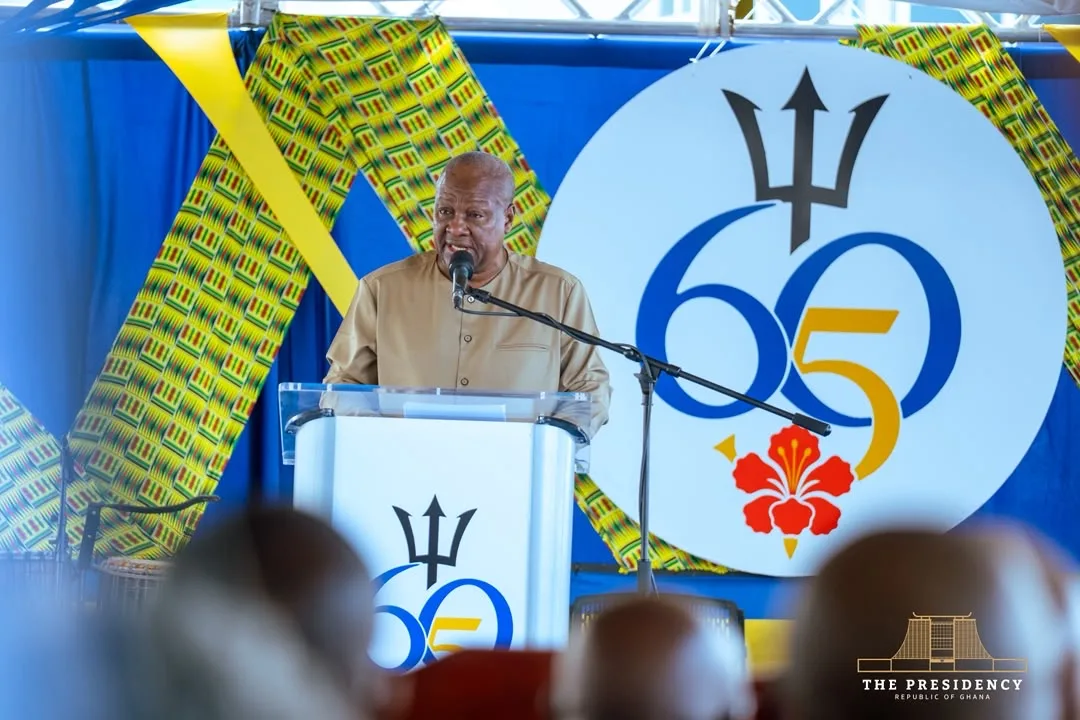
President Mahama made the remarks on Friday, November 27, 2026, during a ceremony to unveil a statue of King Cuffie in Speightstown, Barbados, and formalise the twinning of the city with Cape Coast in Ghana.
He described King Cuffie, also known as Kofi, as an important figure in the shared history of Ghana and Barbados, noting that the Akan elder from the Gold Coast became a symbol of resistance against enslavement in Barbados.
King Cuffie is remembered for leading a freedom movement in 1675 which sought to challenge the brutal system of enslavement and affirm the right of Africans to live in freedom and dignity.
Although the planned uprising was uncovered before it could take place, President Mahama said King Cuffie’s courage remained a powerful testament to African resistance against oppression.
“His story reminds us that our ancestors were not passive victims, but courageous agents of resistance whose determination shaped the struggle for freedom and dignity,” he said.
President Mahama commended the Government and people of Barbados for honouring King Cuffie with the statue, saying the monument would remind present and future generations that the pursuit of freedom, justice and dignity was a noble cause.
He said the unveiling of the statue, alongside the twinning of Cape Coast and Speightstown, represented an important step towards reconnecting communities whose histories were linked by the transatlantic slave trade.
He noted that while Cape Coast was a major centre from which enslaved Africans were taken across the Atlantic, Speightstown was among the early ports where enslaved Africans arrived in Barbados.
President Mahama said the historical connections between the two communities must be preserved and strengthened through cooperation in culture, education, tourism, historical preservation and community development.