






































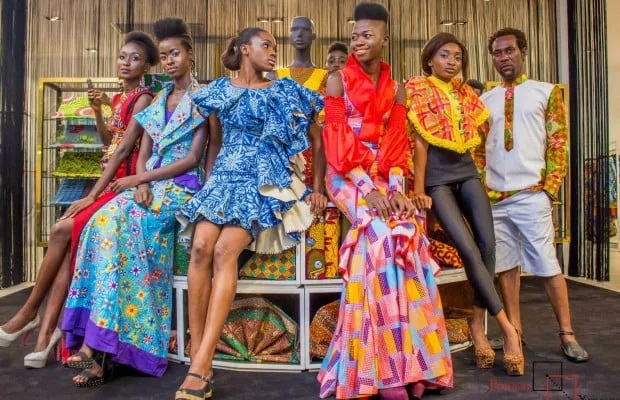
Government will invest US$1 billion to transform Ghana’s textile and garment industry into a major producer for global fashion markets.
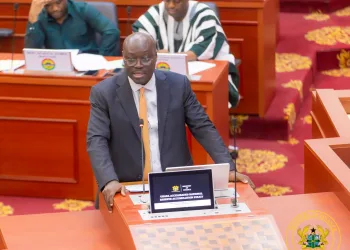
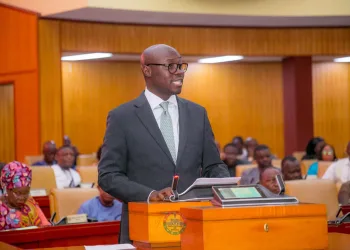
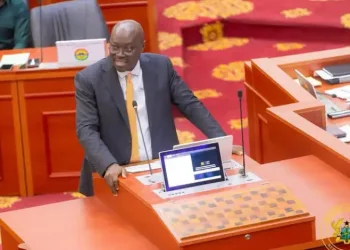
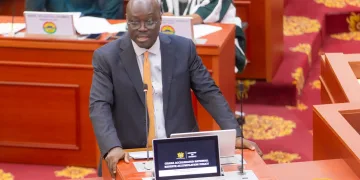
Finance Minister Dr. Cassiel Ato Forson announced the plan in Parliament on Thursday, November 12, 2026, while presenting the 2027 Budget Statement and Economic Policy.
He said the goal is simple: fabrics made in Ghana, garments sewn in Ghana, and Ghanaian brands sold across the world.
“From the factory floor to the fashion runway, this investment will create opportunities for our people,” Dr Forson said.
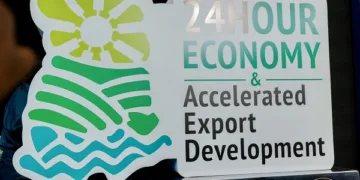
The investment falls under Pillar 6 of the government’s New Economy programme and will be driven through the 24 Hour Economy and the Accelerated Export Development Programme.
Government plans to modernise textile mills and expand garment factories across the country. It will also set up dedicated textile and garment enclaves linked to production clusters.
Those enclaves will come with serviced land, reliable power, industrial water, treatment facilities, laboratories, warehouses and factory buildings. Government says the shared facilities will help manufacturers cut costs and handle large orders.
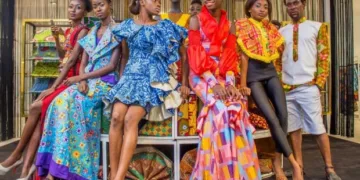
Fashion designers, tailors and dressmakers are also expected to benefit. Dr Forson said government will connect their talent to modern equipment, technical support and commercial partnerships that can help them supply regional and international buyers.
“Our fashion designers, tailors and dressmakers must have room to grow,” he said.
To strengthen local demand, government will amend public procurement laws to require that uniforms, hospital textiles, bedding and protective wear for security agencies, schools, hospitals and other public institutions are bought ONLY from Ghanaian textile and garment manufacturers.
Factories will also be supported to meet international standards for quality, traceability and responsible production.
Work will start in 2027 with enclave infrastructure and the modernisation of priority textile and garment facilities.
In 2028, new and upgraded production lines will come onstream, backed by buyer agreements and export orders.
By 2030, government expects an industry producing at commercial scale, supplying wider markets and building recognition for Ghanaian design and brands.
The investment is expected to create jobs for machine operators, technicians, designers, dressmakers, factory managers and logistics providers, especially women and young people.
“Our ambition is to put Made in Ghana fashion into wardrobes around the world and put dependable incomes into Ghanaian homes,” Dr Forson said.