


















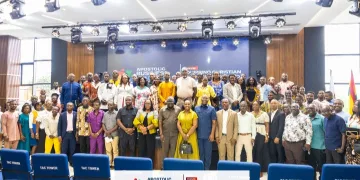












































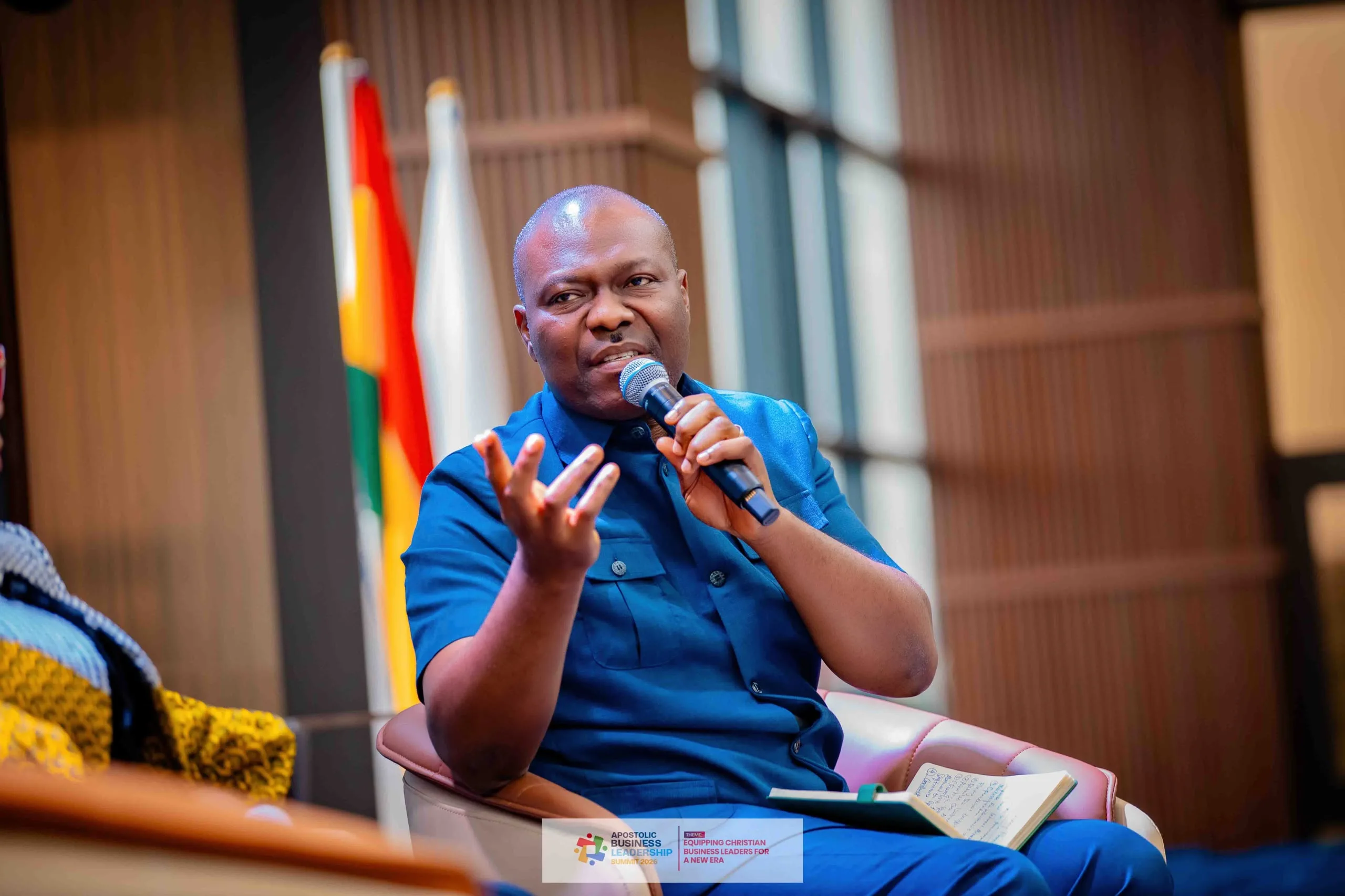
Pro-Vice-Chancellor for Research, Innovation and Knowledge Transfer at the University of Professional Studies, Accra (UPSA), Professor Samuel Antwi, has advised that businesses must deliberately cut operational risks, minimize costs and widen their profit margins if they want to survive the next wave of global shocks
According to him, many Ghanaian businesses operate on thin margins and collapse at the slightest external disruption because they have no buffer to absorb the shock.
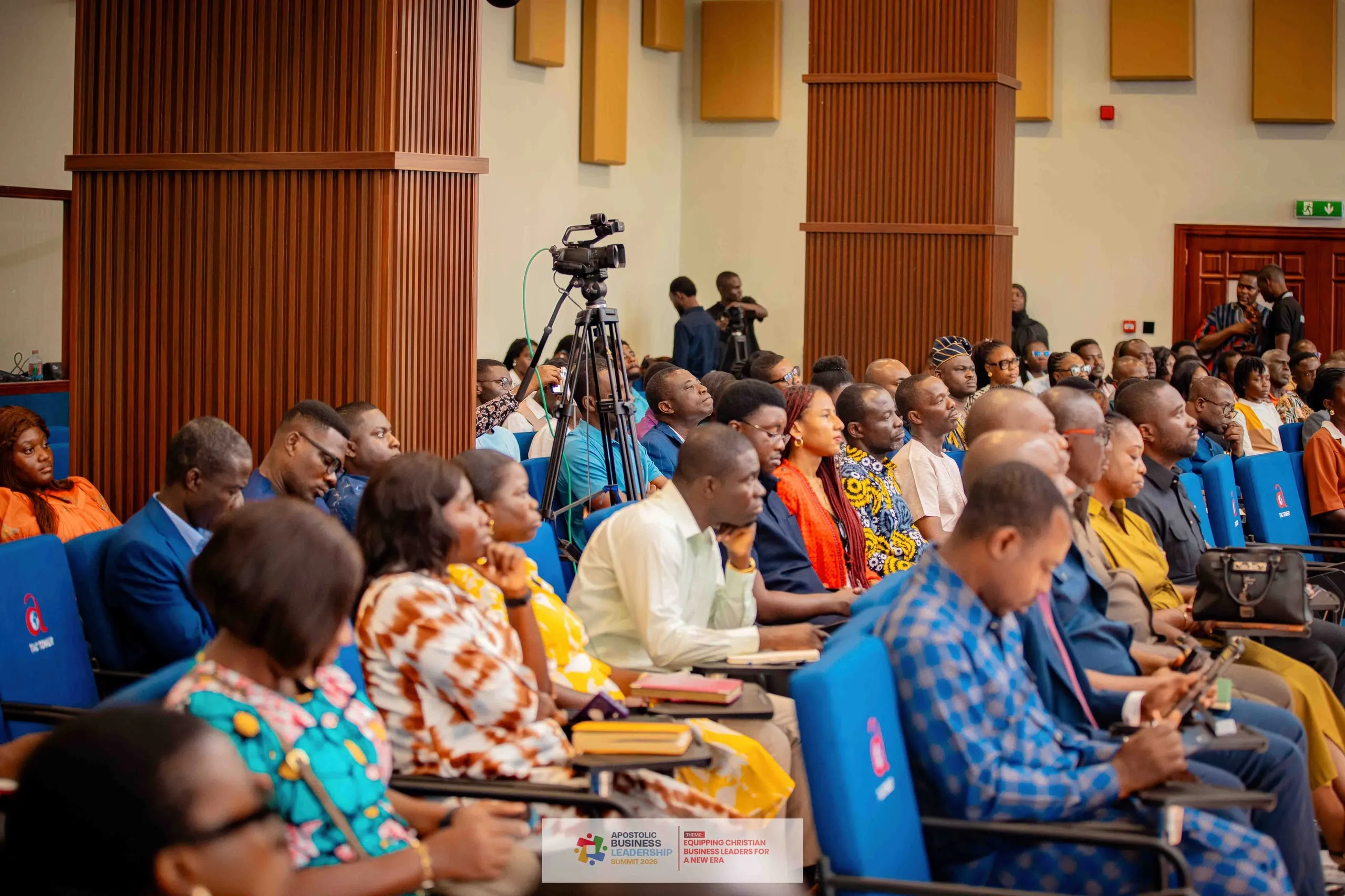
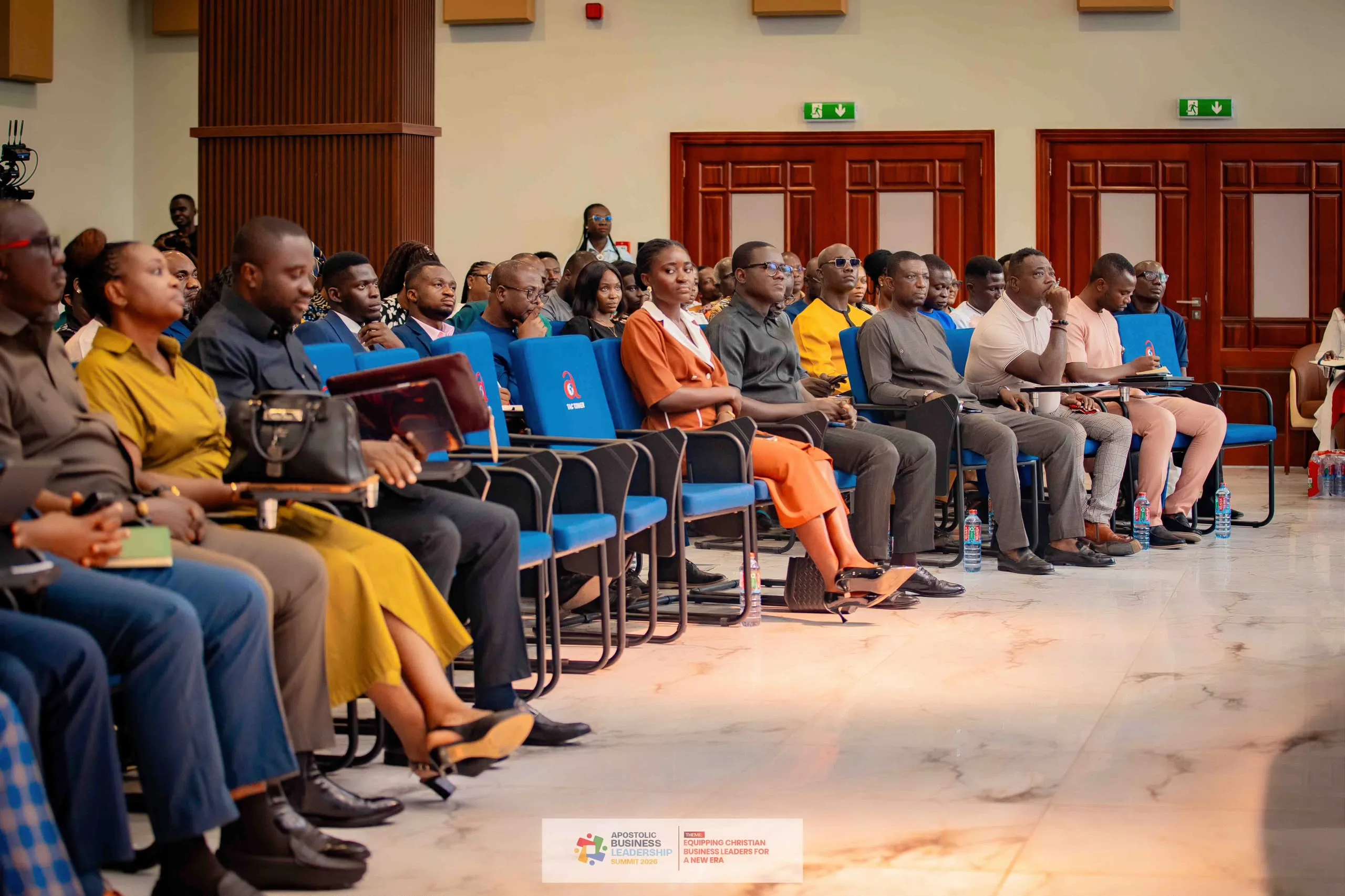
Prof. Antwi was speaking on the theme “Cutting cost, increasing productivity and making better decisions” during a panel discussion at the Apostolic Business Leadership Summit 2026 held at the TAC Tower at Adenta West, Ritz Junction.
He warned that global instability has become the new normal, with businesses in Ghana feeling the ripple effects of conflicts and geopolitical tensions happening thousands of miles away.
“Do everything in your power to cut risks. Do everything in your power to cut risks. Minimize your costs. Increase the size of the margin,” he charged business owners.
Prof. Antwi explained that the ability to survive is not about avoiding shocks, but about building a business that is resilient enough to withstand them when they come.
Citing recent global events, he said conflicts such as the Israel-Iran war, the Russia-Ukraine war and the ongoing tensions between the US and China have disrupted supply chains, increased input prices and created uncertainty for businesses across Africa.
“So that if any other externalities including Israel, US, Iran war and Ukraine war, and whatever happens around the world in five years to come, twenty years to come, thirty years to come, your business will still stand,” he said.
He noted that businesses that had kept their costs low and margins healthy were the ones that survived COVID-19 and the recent economic downturn, while those with bloated cost structures folded up.
Prof. Antwi therefore urged entrepreneurs to audit their operations, cut waste, negotiate better deals and make data-driven decisions now, rather than waiting for the next crisis.
He further said that business sustainability is not by chance but by design.
“The future will always be uncertain. But a business that is lean, efficient and well-managed today will still be standing strong in five, ten and thirty years to come,” he reiterated.