















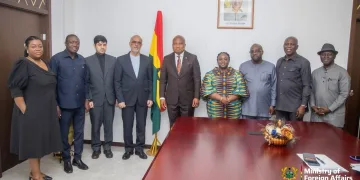

Ghana’s political system continues to place a heavy financial and structural burden on people seeking leadership positions, with women and young people facing particular difficulties in competing for political power.
For many aspiring leaders, the challenge goes beyond having the experience, ideas or public support to lead. The cost of securing a party ticket, mobilising supporters and running an election campaign can make political participation an expensive undertaking, shutting out capable people who lack the financial resources.
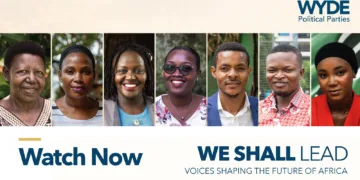
These challenges are explored in We Shall Lead: Voices Shaping the Future of Africa, a documentary featuring three Ghanaian youth leaders who share their experiences navigating leadership and democratic participation.
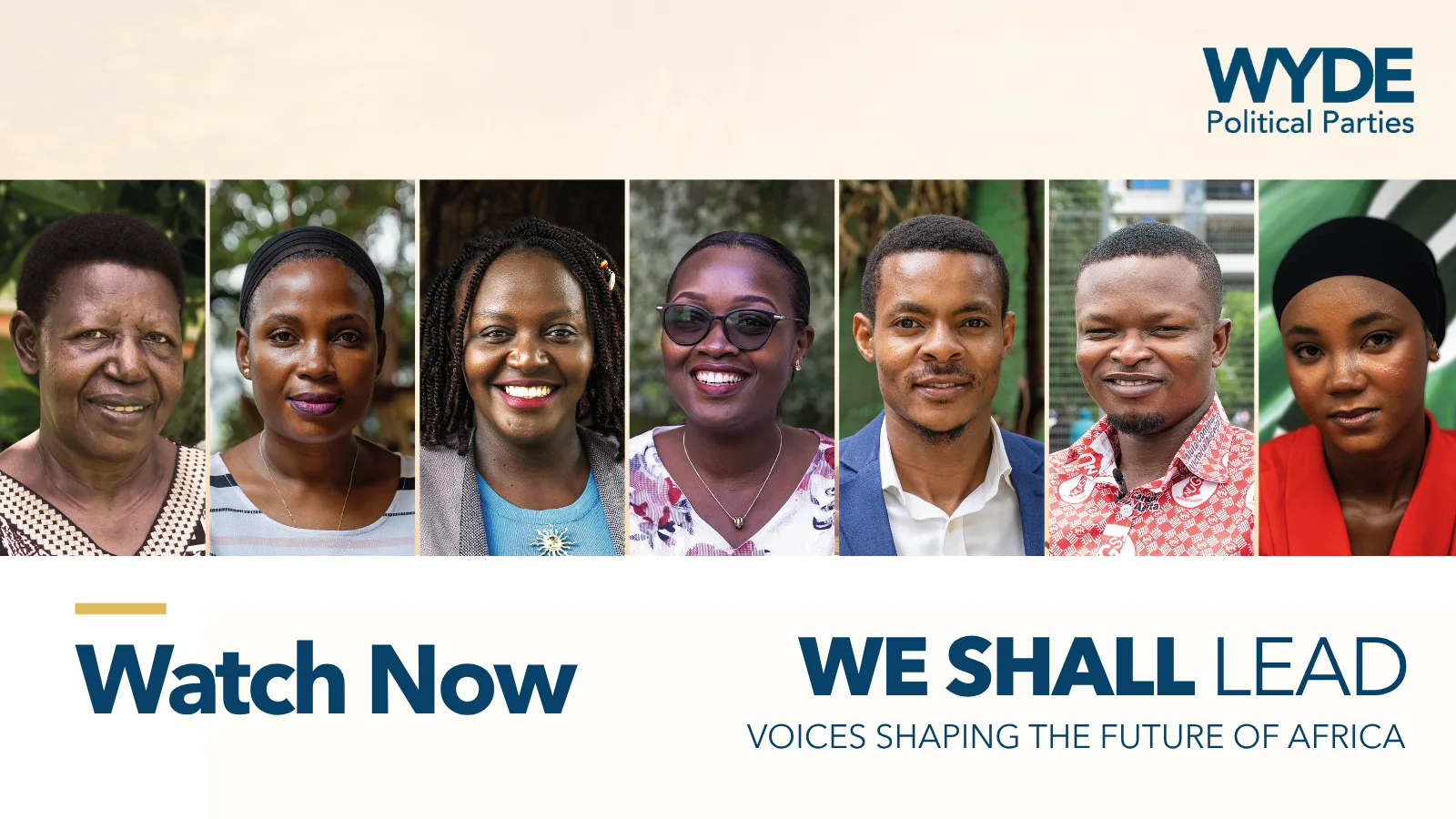
Through their accounts, the documentary examines how institutional barriers, limited opportunities and the reluctance of political structures to accommodate new voices continue to shape the participation of women and young people in public life.
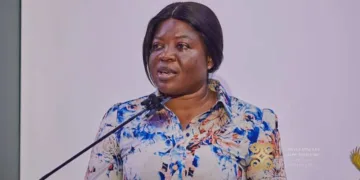
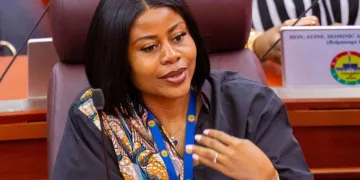
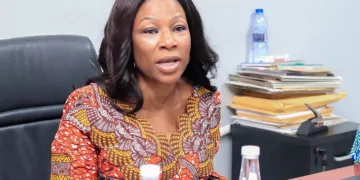
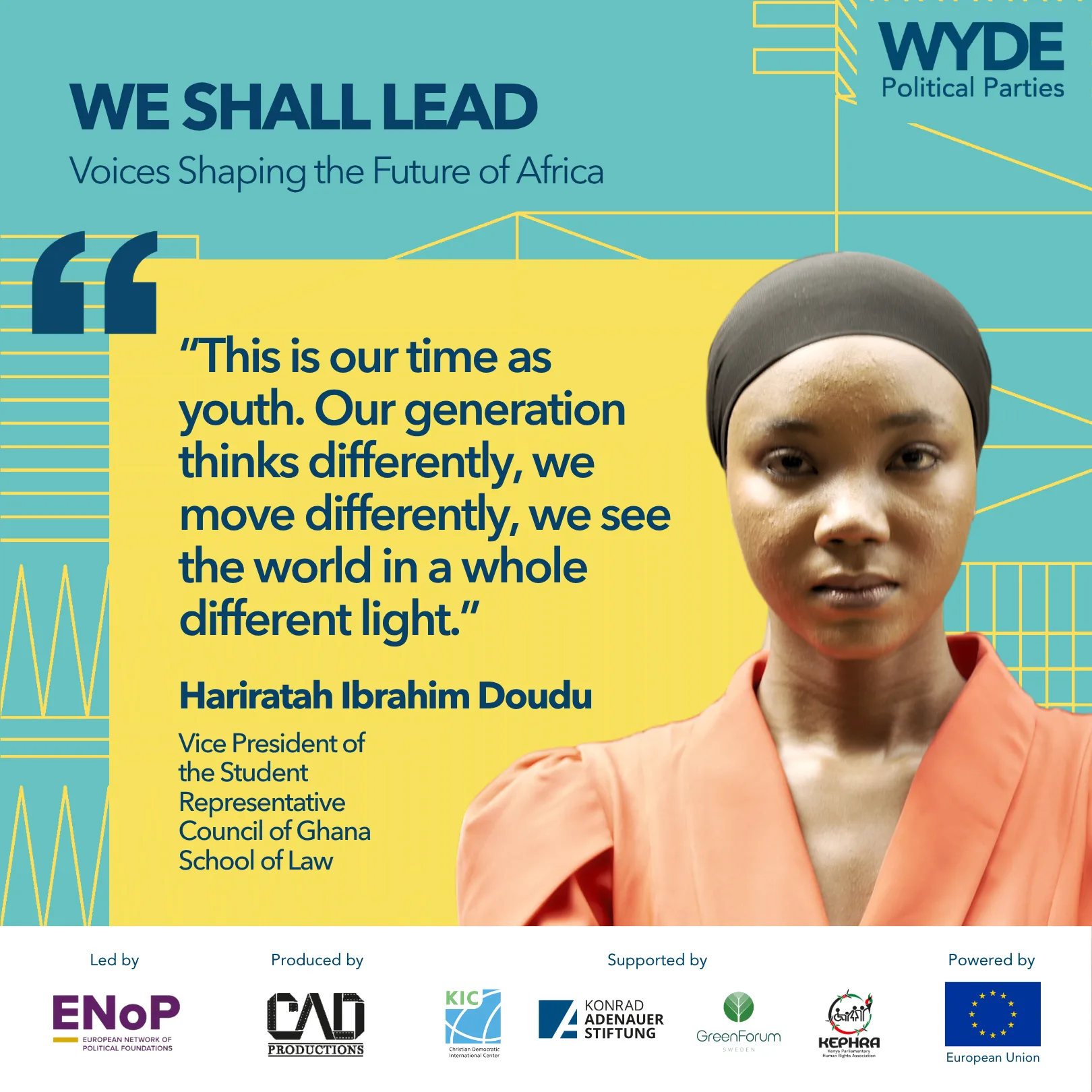
Among those featured is Ms Hariratah Ibrahim Doudu, Vice President of the Student Representative Council (SRC) of the Ghana School of Law, whose experience highlights the difficulties women face even in institutions where they constitute a majority.
“The system of politics is not really created to accommodate women. It is now, in these days, that the system is trying to accommodate women,” she said.
Ms Doudu said her decision to contest the position was influenced by a desire to challenge the situation and demonstrate that women could occupy leadership positions despite the obstacles.
She said she was surprised to discover that no woman had attempted to contest the SRC vice-presidency for more than five years, even though women outnumbered men at the institution.
Her determination to pursue leadership was also shaped by her personal circumstances. Growing up in a modest family of 24 children and losing her father after completing senior high school, she said, strengthened her resolve to overcome difficulties and inspire other women.
Although she acknowledged that more women were beginning to challenge the situation, she said sustained support was needed to create a more inclusive environment for women in leadership.
Her experience points to a wider challenge in Ghanaian politics, where the ability to mobilise financial resources, navigate party structures and sustain campaigns can determine who gets the opportunity to compete.
The price of securing political power
The financial demands of political competition provide a clearer picture of why many people, particularly women and young people, struggle to enter formal politics.
A 2021 study by the Ghana Centre for Democratic Development (CDD-Ghana) estimated that a parliamentary aspirant needed about GH¢4 million to mount a viable campaign.
The estimate comprised GH¢2 million for building support within a constituency and contesting party primaries, and another GH¢2 million for the general election campaign.
The study also estimated that a presidential candidate contesting on the ticket of either the New Patriotic Party or the National Democratic Congress would need about US$100 million to have a viable chance of winning.
The figures highlight the extent to which money has become an important factor in political competition, raising concerns about whether leadership opportunities are accessible to people with competence and public support but limited financial means.
For women, the financial burden compounds existing social and institutional barriers.
Data from the Inter-Parliamentary Union (IPU) show that women secured 40 seats in Ghana’s Parliament after the 2024 elections, representing 14.5 per cent of the membership.
Although women’s representation has improved over the years, they remain significantly underrepresented in the country’s principal law-making institution.
The challenge is also evident among young people, whose numerical strength in the population has not translated into comparable representation in national decision-making.
Ghana’s 2021 Population and Housing Census puts the population aged 15 to 35 at 38.2 per cent, yet young people continue to face difficulties accessing political leadership positions.
IPU data compiled at the beginning of the Ninth Parliament in January 2025 recorded 46 MPs aged between 31 and 40, with no parliamentarian below 30 among those whose ages were reported.
 The figures suggest that, beyond the enthusiasm and interest young people may have in public affairs, the structures through which political leadership is accessed remain difficult to navigate.
Beyond inclusion to decision-making
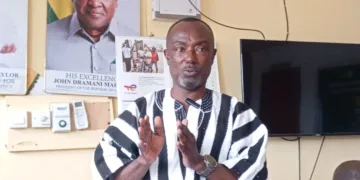
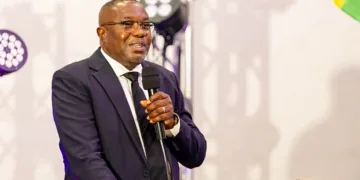
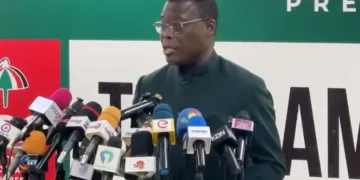
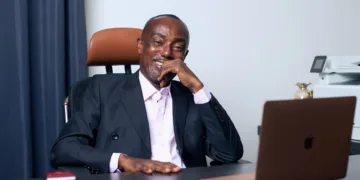
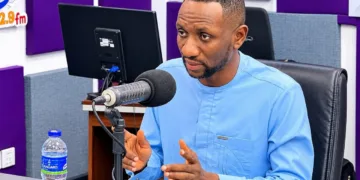
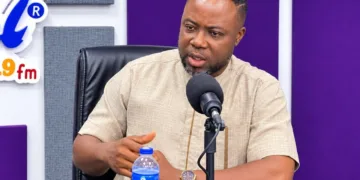
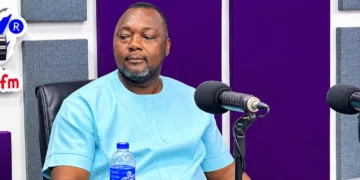
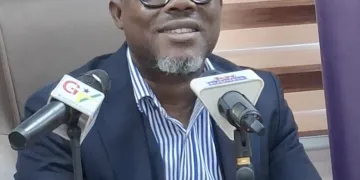
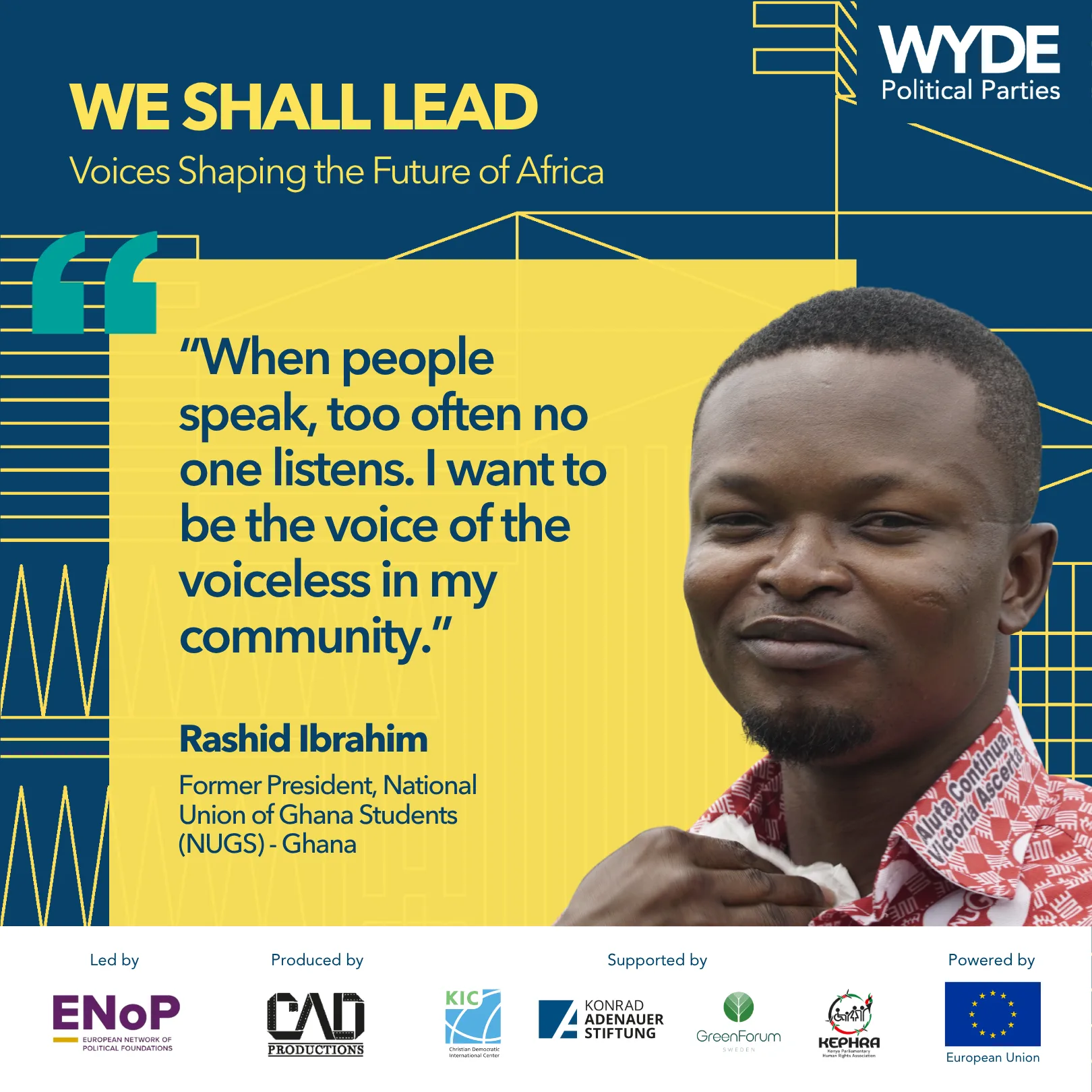
The documentary also features Mr Rashid Ibrahim, President of the National Union of Ghana Students (NUGS), and Mr Sherif Ghali, Chief Executive Officer of the Ghana Chamber of Young Entrepreneurs and President of the Ghana Youth Federation.
Mr Ibrahim said his decision to pursue leadership was motivated by the need to create a platform through which young people could have their concerns heard and addressed.
He believed young people had the capacity to contribute meaningfully to national development if given the necessary opportunities and support.
“The youthful leaders are doing well. Why don’t we give them the opportunity,” he asked.
He said providing young people with opportunities to lead would enable them to demonstrate their capabilities and contribute to national development.
Mr Ghali, however, argued that the presence of young people in leadership structures did not necessarily translate into meaningful participation if they were not allowed to influence decisions.
“The struggle is so serious that young people do not want to go into politics. It is not about including us but allowing us to take decisions,” he said.
He said young people would be more encouraged to participate in politics when they saw their peers being listened to and their contributions reflected in decisions affecting society.
His position raises a broader question about the quality of youth participation in democratic governance: whether young people are simply being represented in leadership structures or are being given the authority to influence policies and decisions.
The documentary is part of the European Union Women and Youth Democratic Engagement (WYDE) Political Parties Project, which seeks to strengthen the participation of women and young people in democratic processes.
The project was funded by the European Union, led by the European Network of Political Foundations (ENoP) and implemented in Ghana by the Konrad-Adenauer-Stiftung (KAS) Ghana Office.
It supported democratic governance through leadership training, mentorship and capacity-building workshops, with activities designed to improve the ability of women and young people to participate in political processes.
As the project draws to a close, the documentary seeks to extend its lessons beyond direct beneficiaries by sharing the experiences of emerging political and public leaders in Ghana, Kenya and Uganda.
The accounts of the three Ghanaian leaders highlight the need to address not only the barriers preventing women and young people from entering politics but also the financial and institutional conditions that determine their ability to compete and exercise leadership.
For Ghana, the challenge remains how to build a political environment in which leadership is determined less by the ability to finance political campaigns and more by competence, ideas and the willingness to serve.
Credit: Esther Abankwah