












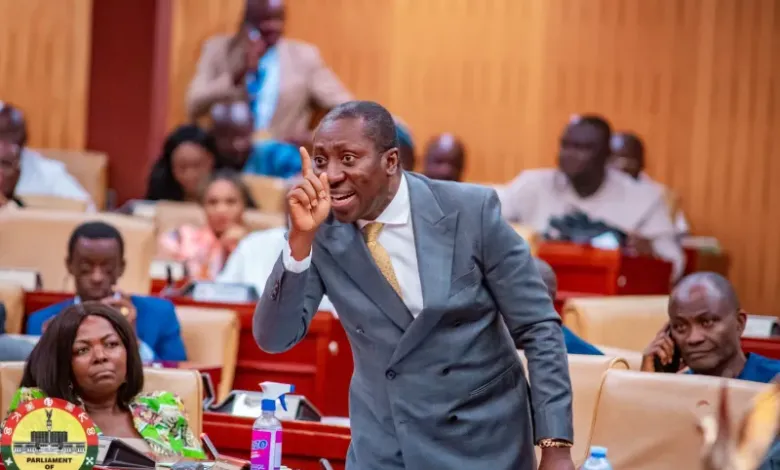















































Security expert Professor Kwesi Aning has cautioned that the recurring clashes between farmers and herders in Ghana could expose the country to extremist activities, as terrorist groups operating within the West African sub-region seek opportunities to expand their influence.
According to Ghanaian Times newspaper monitored by Angelonline on Tuesday November 17, he said the conflicts, which have resulted in deaths, displacement, the spread of small arms and the destruction of livelihoods, were creating vulnerable communities that could easily become targets for recruitment by extremist organisations.
Speaking at a national dialogue on herder-farmer conflict in Accra, Prof. Aning warned that the situation had assumed a broader regional security dimension and required urgent attention.
“This is no more a Ghana problem. The most dynamic, powerful, responsive terrorist groups are feeding into this crisis,” he warned.
He revealed that close to 100 people had been killed in the clashes this year as of the day preceding his presentation, noting that the violence posed serious implications for national security, food production and social stability.
Prof. Aning mentioned terrorist organisations operating in Mauritania, Mali, Niger, Burkina Faso, the Central African Republic and parts of Nigeria as key actors in the regional security landscape whose activities could have implications for Ghana.
He explained that communities affected by prolonged violence and displacement could become easy targets for extremist groups, particularly where government institutions were unable to guarantee their safety and help them recover their sources of livelihood.
He further expressed concern about the increasing circulation of small arms and ammunition, alongside cattle rustling, banditry and the activities of vigilante groups, which he said could deepen insecurity.
“Every time we talk about these clashes, we are talking about the availability of small arms, of the ammunition, and the willingness by people to use them,” he said.
The security expert, said he had been engaged in cattle rearing for 27 years in addition to farming, observed that the conflict was being fuelled by deeply rooted perceptions of victimhood, dispossession and marginalisation among the two groups.
He noted that the competing claims had become firmly established within affected communities, making efforts to rebuild trust and promote peaceful coexistence increasingly challenging.
The security expert also faulted the state for failing to tackle the fundamental issues sustaining the conflict, particularly weaknesses in law enforcement and the inability to safeguard the livelihoods of farmers and herders.
“As a nation, we have failed. Farmer-herder conflict in Ghana epitomises the failure of the Ghanaian state to look at the problem and to say, how do we tackle it?” he said.
He warned that the situation could take a more dangerous turn as the country approaches the 2028 general elections, with displaced persons and economically disadvantaged communities potentially being drawn into political vigilantism.
Prof. Aning added that the destruction of farmlands, livestock, residential properties and other assets was weakening community economies, affecting commercial activities and worsening food insecurity and inflationary pressures.
He further pointed to climate change, desertification, declining land quality and water shortages as emerging challenges that could intensify competition for available resources and trigger further confrontations.
As part of efforts to contain the situation, he urged traditional authorities and state institutions to strengthen their partnership in developing credible, community-based mechanisms for resolving disputes and preventing violence.
Source: Abigail Ekua Arhin