






















































Illegal mining activities upstream of the Tano River are raising concerns over the safety and sustainability of water supply to Sunyani and surrounding communities, as pollution continues to affect the quality of raw water entering the treatment system.
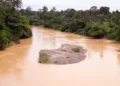
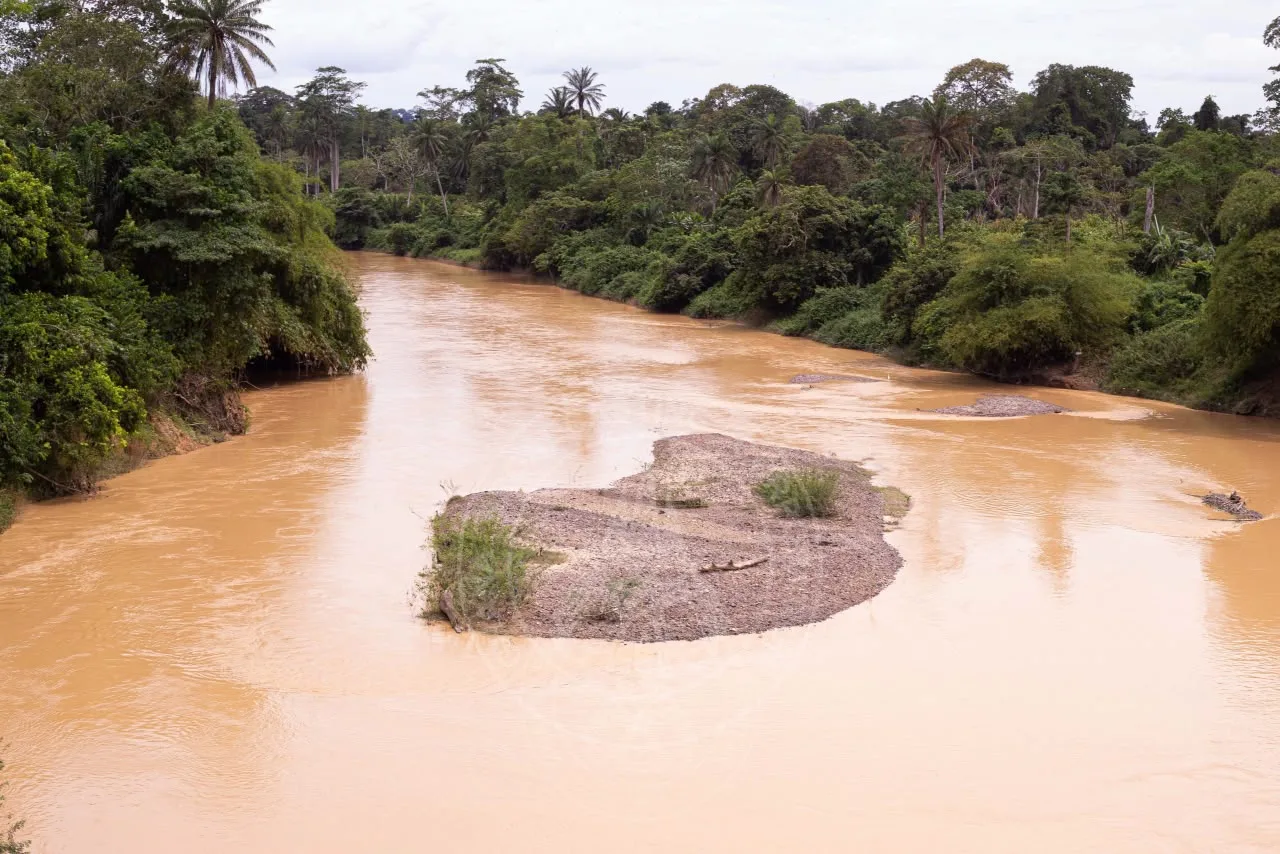
The river, which is the principal source of drinking water for the Sunyani Municipality, has reportedly lost much of its former clarity, with its waters gradually taking on a yellowish appearance amid increasing mining activities upstream.
According to the Daily Graphic newspaper monitored by Angelonline on Wednesday November 25, the situation was brought to the fore during a visit by the Executive Secretary of the Public Utilities Regulatory Commission (PURC), Dr. Shafic Suleman, to the Abesim Water Treatment Plant, which draws raw water from the Tano River.
Dr. Suleman cautioned that the continued contamination of the river could make water treatment increasingly difficult, drive up production expenses and further strain water supply in the municipality.
He observed that while galamsey activities within the Bono and Ahafo regions were relatively low, mining operations in neighbouring upstream communities, particularly in parts of the Ashanti Region, posed a significant risk to water facilities and populations downstream.
He disclosed that the treatment plant had experienced persistently elevated turbidity levels in its raw water intake over the past three months, heightening concerns about the effect of mining-related pollution on treatment processes.
Although the current level of contamination had not made the use of polymers necessary, Dr. Suleman warned that a further decline in raw water quality could compel the company to apply more treatment chemicals.
Such a development, he said, would increase the cost of operations for Ghana Water Limited (GWL), potentially adding to the challenges associated with maintaining a reliable water supply.
He has appealed to the regional ministers for Bono, Ahafo and Ashanti to work together to curb illegal mining activities before the pollution of the Tano River reaches more alarming levels.
He warned against allowing the situation to escalate into the kind of environmental damage already being experienced in some parts of the Western and Eastern regions.
He further called on chiefs, district assemblies, opinion leaders, the media, security agencies and environmental organisations to support interventions to protect the river.
The PURC, he indicated, would engage relevant institutions, including Ghana Water Limited, National Security and environmental agencies, to bring the concerns to their attention and secure a coordinated response.
On the water supply situation in Sunyani, Dr Suleman said the Abesim Water Treatment Plant remained operational and was currently running at about 90 per cent of its installed capacity.
He explained, however, that the plant’s existing output was inadequate to meet the water needs of the municipality and surrounding communities.
He therefore identified the resumption of work on the stalled Sunyani Water Expansion Project as essential to increasing production and improving water distribution.
Dr. Suleman urged the government, particularly the Ministry of Finance and GWL management, to give the project the necessary attention and facilitate the contractor’s return to the construction site.
Dr. Suleman also disclosed that the PURC’s Bono Regional Office had received approximately 1,300 consumer complaints since the beginning of the year, with about 91 per cent of them resolved.
According to him, the commission had additionally facilitated the replacement of 33 faulty or overloaded electricity transformers by the Northern Electricity Distribution Company (NEDCo), extending improved electricity supply to more than 3,000 people.
The intervention also included the replacement of 381 defective electricity poles and the distribution of approximately 9,802 electricity meters to consumers across the region.
The Brong Ahafo Regional Chief Manager of GWL, Theophilus T. Collins, said the Abesim facility remained the main source of treated water for Sunyani and its adjoining communities.
He confirmed that the deteriorating quality of raw water had resulted in increased chemical consumption during treatment, consequently raising the plant’s operating costs and placing additional demands on the company’s resources.
Mr. Collins, however, assured residents that the water supplied to consumers continued to satisfy the required quality standards established by the Ghana Standards Authority, PURC and the World Health Organisation.
He insisted that despite the difficulties posed by the changing quality of raw water, the treatment process remained effective and the quality of water delivered to consumers had not been compromised.
Source: Abigail Ekua Arhin