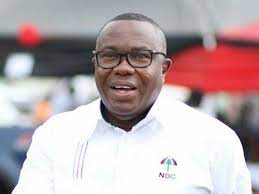



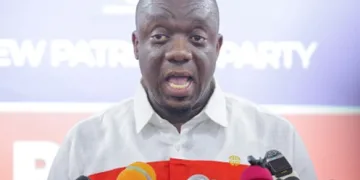



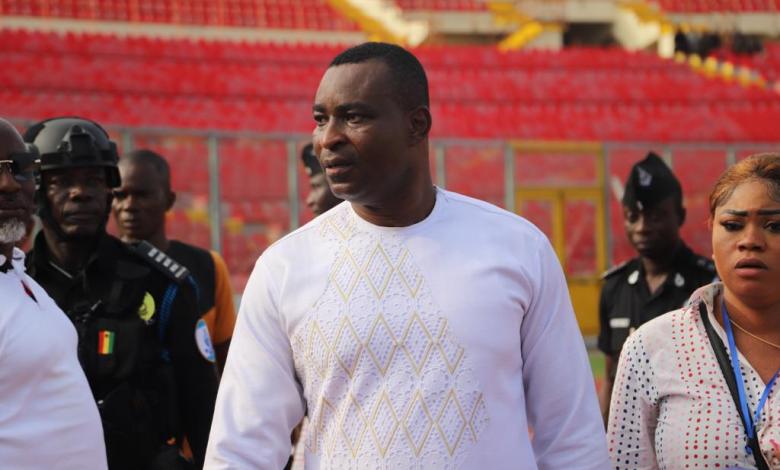













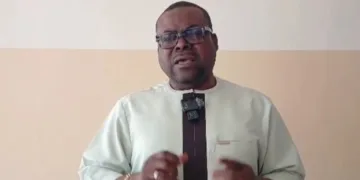













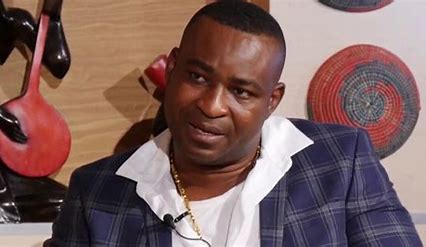
Former Ashanti Regional Chairman of the New Patriotic Party (NPP), Bernard Antwi Boasiako, popularly known as Chairman Wontumi, has called for far-reaching reforms of Ghana’s prison system.
He is urging Parliament, the Judiciary and government to take urgent steps to improve prison conditions and strengthen rehabilitation efforts.
The call was contained in a statement issued on Tuesday, October 27, 2026, by his spokesperson, Dr. Palgrave Boakye-Danquah.
According to the statement, the politician’s incarceration since July 20, 2026, has offered him an opportunity to closely examine the realities of the country’s correctional system.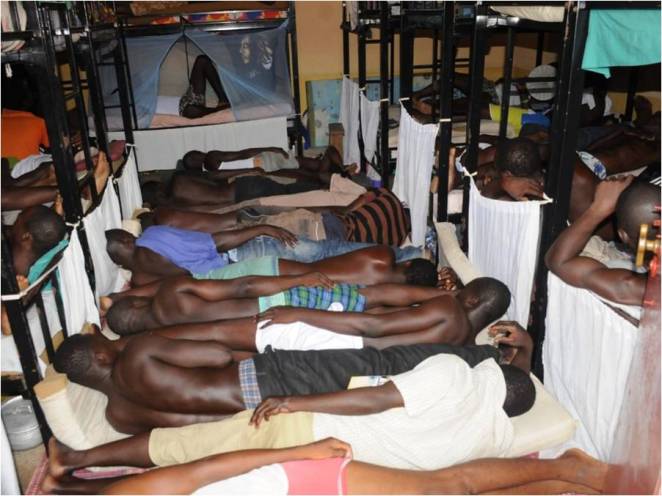
Chairman Wontumi believes Ghana’s prisons require fundamental restructuring to align with modern correctional standards and to better serve the goals of rehabilitation and reintegration.
Reflecting on his experience, he stated that, “Not all prisoners are prisoners,” stressing the need for the country’s correctional system to move beyond punishment and focus on “true reform, welfare and productivity.”
The statement noted that his interactions with inmates and prison officers revealed persistent challenges confronting the Ghana Prison Service, which he said has seen little structural transformation over the decades.
Among his major recommendations was a call for improved welfare packages for prison officers, including better remuneration, accommodation and conditions of service.
Chairman Wontumi also advocated the construction of a dedicated prison hospital, describing the current healthcare situation in many prison facilities as inadequate.
According to the statement, many prisons lack ambulances, standby generators and specialised healthcare services for inmates suffering from serious illnesses such as tuberculosis.
He consequently proposed the establishment of an ultra-modern prison hospital to serve correctional facilities across the country and, in the interim, called for stronger emergency healthcare collaboration with the 37 Military Hospital and the Police Hospital.
On inmate management, Chairman Wontumi expressed concern about the housing of minor offenders together with convicted armed robbers and the mixing of persons standing trial for offences such as treason and terrorism with ordinary inmates.
He described the situation as a security concern and called for a stricter inmate classification system.
The statement further highlighted concerns about overcrowding and the spread of infectious diseases within prison facilities.
“It is the prisoner who is in prison, not the children or spouse,” Chairman Wontumi said while advocating improved family visitation arrangements.
He argued that regulated visitation arrangements for spouses and children would help preserve family bonds, reduce tension within prisons and contribute to the rehabilitation process.
On prison agriculture, he appealed to the Ministry of Food and Agriculture to support prison farms with machinery and other resources.
Despite the availability of vast tracts of land and inmate labour, he noted that many prison facilities lack adequate agricultural equipment.
Chairman Wontumi also called for stronger collaboration between prison authorities and other institutions within the justice sector.
According to him, Regional Prison Commanders should be involved in justice sector deliberations because “the real job begins after judgement.”
He further urged government and the private sector to invest in modern prison infrastructure and establish factories within correctional facilities to enhance skills development and productivity among inmates.
A key aspect of his appeal was directed at Parliament, where he called on the Speaker to lead a national conversation on prison reform.
He urged both the Majority and Minority Caucuses to work together to enact a new Prison Reform Act and support adequate budgetary allocations for prison healthcare, emergency services, agricultural equipment and infrastructure.
Chairman Wontumi also appealed to the Parliamentary Select Committees on Defence and Interior, Health, and Food and Agriculture to undertake inspection visits to prisons across the country to gain first-hand knowledge of prevailing conditions.
Beyond Ghana, he argued that prison systems across Africa must undergo transformation to focus more on rehabilitation and human development.
“At this experience since July 20th till date, prison doesn’t reform as it should be. I pray that the entire Africa will learn from Ghana,” he said further.