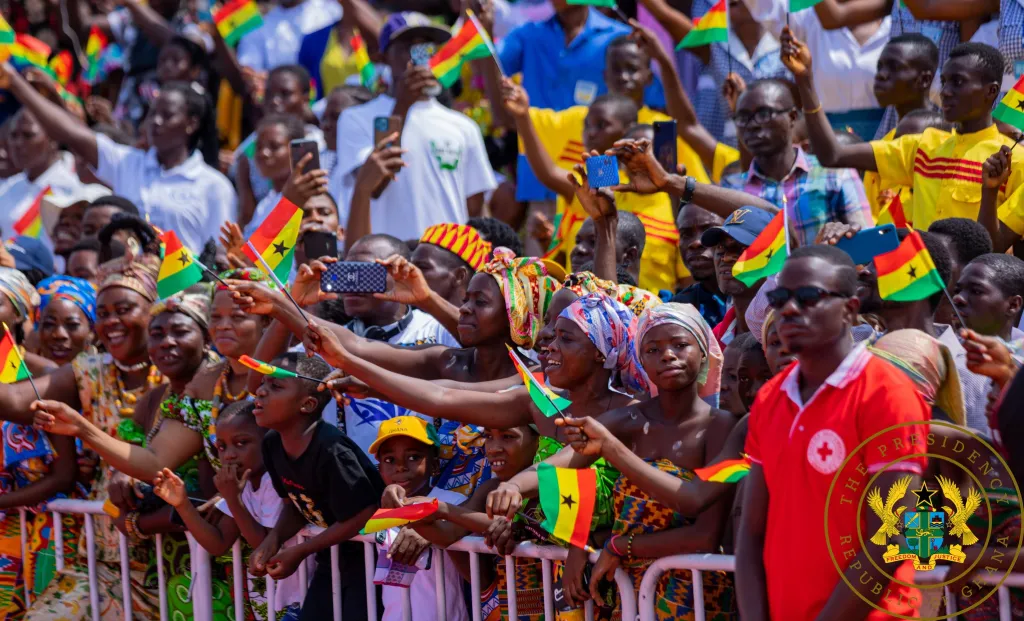


The 2026 Ghana Budget is scheduled to be presented later today in Parliament by Finance Minister Dr Cassiel Ato Forson. This budget is expected to be a defining policy moment, highlighting how the government plans to consolidate economic recovery while addressing the pressing needs of households, businesses, and investors.
For Ghanaians, the 2026 Ghana Budget is more than a technical fiscal exercise. It represents an opportunity to gauge whether the government can maintain fiscal stability, create jobs, support private sector growth, and provide relief to households struggling with the cost of living.
Households: Relief and Social Support
One of the most anticipated aspects of the 2026 Ghana Budget is the measures that will directly affect households. Citizens are looking for targeted social interventions designed to ease the impact of inflation and improve livelihoods.
Key expectations include policies to strengthen access to quality education and healthcare, support for vulnerable groups through social protection programmes, and measures to mitigate rising living costs. Analysts suggest that the government may also outline initiatives to support young people entering the workforce, helping them find employment opportunities in critical sectors such as agriculture, manufacturing, and services.
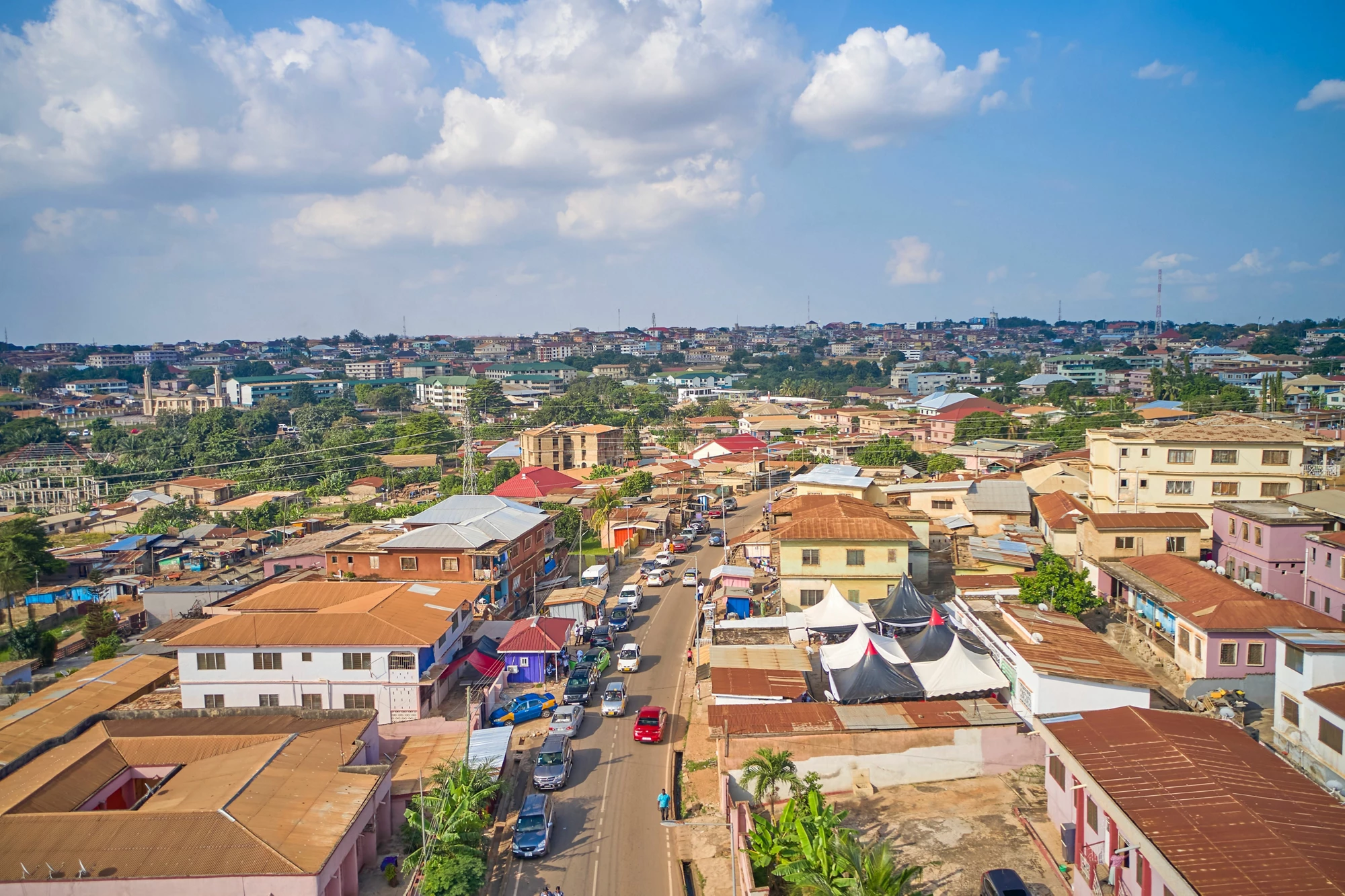 Businesses: Stability and Growth Opportunities
For the business community, the 2026 Ghana Budget is expected to focus on creating a predictable and investor-friendly environment. Companies will be watching for measures that simplify tax administration, improve cash flow, and enhance access to affordable financing.
Support for small and medium enterprises (SMEs) is likely to be a key priority, alongside policies that encourage innovation, industrialisation, and export-driven growth. Infrastructure development, particularly in roads, energy, and water supply, is also expected to create new opportunities for businesses while stimulating local economies.

Investors: Confidence and Fiscal Credibility
The 2026 Ghana Budget will be closely scrutinized by investors and financial markets. With Ghana’s public debt still elevated, Dr Forson is expected to outline strategies for sustainable debt management, including measures to reduce reliance on short-term domestic borrowing and maintain transparency in external debt obligations.
Clear communication on fiscal targets, revenue mobilisation, and debt servicing will be critical to maintaining investor confidence. A credible and data-driven budget presentation could reinforce trust in Ghana’s macroeconomic stability and attract both domestic and foreign investment.
Looking Ahead: Measuring Impact
Although the 2026 Ghana Budget is yet to be presented, expectations are high. Citizens will measure success by how effectively the government addresses the cost of living and improves livelihoods. Businesses will watch for predictable policies and investment opportunities, while investors will seek assurance that debt and fiscal targets are credible.