









































Indigenous oil and gas companies in the Western Region have appealed for more contract opportunities and increased investment to sustain their operations amid limited activity in Ghana’s petroleum industry.
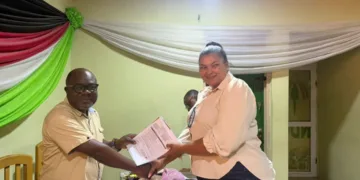
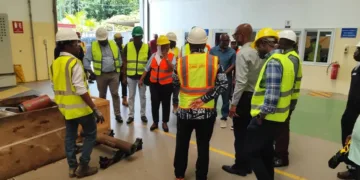
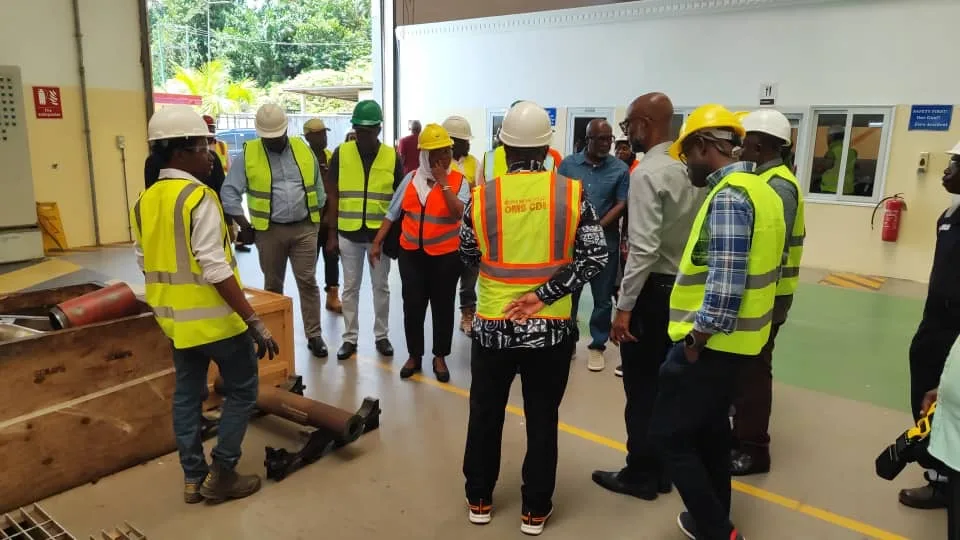
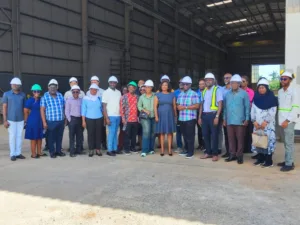
The appeal was made during a two-day working visit by the Board of the Petroleum Commission and members of its Local Content Committee to nine fully indigenous Ghanaian companies in the Western Region.
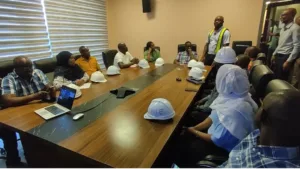
The visit aimed to assess the companies’ operations, understand their challenges and identify ways to strengthen local participation in the oil and gas industry.
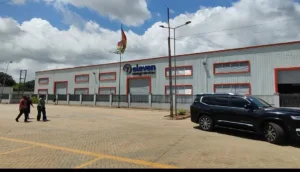
Among the companies visited were Wayoe Engineering, Harlequin Oilfield Machine Shop, 7Eleven, Apave, Zeal, Chemsolv and Ensol.
During the engagements, the companies highlighted common challenges, including limited contract opportunities, low industry activity and difficulties sustaining their businesses despite significant investments in equipment, technology and skilled personnel.
The Chief Executive Officer of Wayoe Engineering, Dr. Stephen Narh Wayoe, called for a fairer distribution of available oil and gas contracts among capable indigenous companies.
He said although the relationship between Wayoe Engineering and the Petroleum Commission had been positive, the limited availability of contracts continued to affect local service providers.
Dr. Wayoe urged the Commission to explore ways of distributing available work among qualified local companies without interfering with the procurement procedures of oil and gas operators.
He warned that when a few companies consistently secured most of the available contracts, other capable businesses risked collapsing.
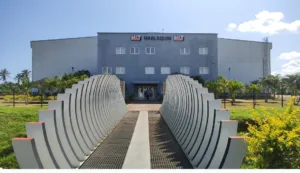
At Harlequin Oil and Gas, Chief Executive Officer Frederick H. Hesse-Tetteh said the company was also affected by the low level of activity in Ghana’s oil and gas industry over the past few years.
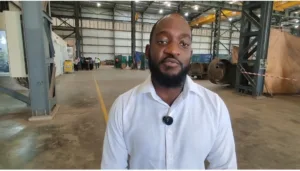
He explained that the company had invested in a fabrication facility in Takoradi with 5,000 square metres of workshop space and heavy lifting capabilities to provide specialised services to the petroleum industry.
Mr. Hesse-Tetteh expressed hope that the government and the Petroleum Commission’s efforts to attract new investments would lead to increased industry activity and create more business opportunities for indigenous companies.
He said new investments from major international oil companies, including Shell and ExxonMobil, could help revitalise the industry and improve prospects for local service providers.
At 7Eleven, Chief Executive Officer Isaac Annochie said the company had established its facility as a repair and maintenance hub for the oil and gas and mining industries.
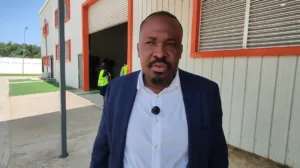
He said Ghana continued to import products and services that local companies had the capacity to provide, calling for greater support to enable indigenous businesses to retain more economic value within the country.
Mr. Annochie expressed hope that the challenges raised during the engagement would receive the necessary attention to help local companies expand their operations.
The Chief Executive Officer of the Petroleum Commission acknowledged the challenges, expressing concern that companies that had invested heavily in equipment, technology and skilled personnel were receiving limited business opportunities.
She said the visit was intended to obtain firsthand information about the difficulties facing indigenous companies and identify practical ways to support them.
She disclosed that memoranda had been submitted to Cabinet as part of efforts to review Ghana’s petroleum legislation, fiscal regime and regulatory framework to make the country more competitive in attracting investment.
The Commission was also engaging major international oil companies, including Petrobras, Eni, Shell and Chevron, to secure new investments and increase exploration activities.
According to her, anticipated petroleum agreements and increased exploration could create more business opportunities for indigenous companies.
She stressed that the benefits of Ghana’s petroleum resources must extend beyond production and investment figures to positively affect local businesses and workers.
The two-day working visit is expected to provide the Petroleum Commission’s Board and Local Content Committee with firsthand information to guide policy recommendations aimed at addressing industry challenges and strengthening local content implementation.
Source: Nana Fyn