































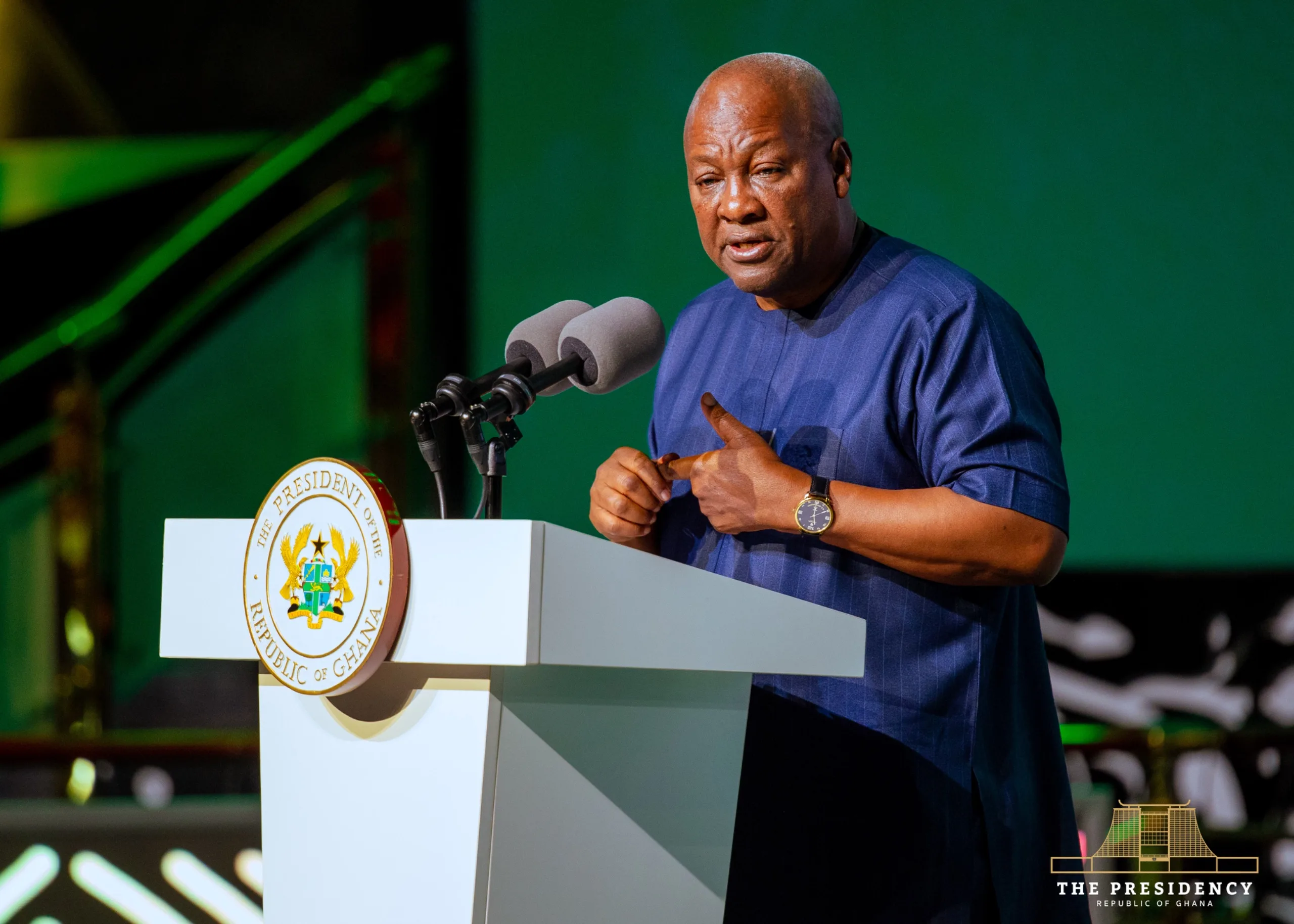
President John Dramani Mahama has set a target for Ghana to end the export of unprocessed mineral ores by 2030 as part of efforts to promote local processing, industrialisation and job creation.
He said the country would pursue a phased prohibition on the export of raw mineral ores, supported by the necessary legal measures, mineral-specific requirements and transparent implementation timetables.
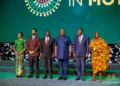
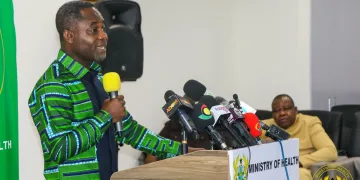
Speaking at the opening of the 2026 Mining in Motion Summit, President Mahama said Ghana must move away from exporting raw materials and importing finished products manufactured from its own mineral resources.
He noted that for generations, Ghana had exported manganese and bauxite to supply industries abroad, while opportunities for skilled employment, technological advancement and industrial development had largely been lost.
“Our alumina, manganese, iron, lithium and other minerals must support processing and industrial development here at home,” he said.
President Mahama said the country had a responsibility to ensure that its mineral wealth created meaningful opportunities for Ghanaians, particularly young people seeking skilled employment.
He said the government’s objective was to strengthen domestic industries by linking mineral extraction to refining, manufacturing and other value-added activities.
The President cited the Ghana Integrated Aluminium Development Corporation (GIADEC) as part of efforts to link bauxite mining to aluminium refining, smelting and manufacturing.
He also mentioned the Ghana Integrated Iron and Steel Development Corporation (GIISDEC), which seeks to connect iron ore development to commercial steel production.
According to him, Ghana is also working to retain more value from gold through assaying, refining and related services under its gold refining policy.
President Mahama said the transition to local processing would require reliable and competitively priced energy, adequate water supply, transportation infrastructure, skilled workers and access to financing.
He stressed that legislation alone could not build an industry, adding that government must create the conditions for businesses to invest, produce and compete.
The President also called on investors to partner with Ghanaian enterprises to develop competitive industries, transfer technology and expand employment opportunities.
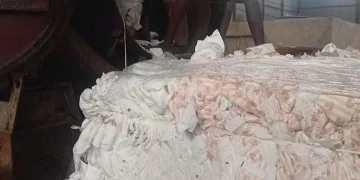
He said the government had already imposed a ban on the export of iron scrap and non-ferrous metals as part of efforts to support domestic industrial development.
President Mahama added that Ghana welcomed foreign investment but expected partnerships to deliver benefits beyond mineral extraction, including local enterprise development, knowledge transfer and sustainable jobs.
He further urged African countries to strengthen cooperation in mineral negotiations and processing, arguing that a common approach would help the continent retain a greater share of the wealth generated from its natural resources.
He said initiatives such as the African Continental Free Trade Area, the African Mining Vision and Agenda 2063 provided a foundation for developing regional value chains and expanding markets for African-made products.
President Mahama maintained that the ultimate goal of mineral development must be to improve living standards through jobs, infrastructure, reliable electricity, clean drinking water and greater economic opportunities for citizens.