


The Corporate Affairs Manager of Ghana National Gas Company, Richard Kirk Mensah, has reiterated that the construction of the Second Gas Processing Plant (GPP II) remains a top priority as the company works to expand Ghana’s gas processing capacity and strengthen national energy security.
Speaking during a civil society familiarisation tour at the Gas Processing Plant in Atuabo, Mr. Mensah explained that GPP II forms a key component of the company’s strategic plan for 2025 and 2026.
He disclosed that a technical committee, comprising representatives from the Ministries of Finance and Energy, has completed its work on the project and submitted a report, with Cabinet approval now awaited for construction to commence.
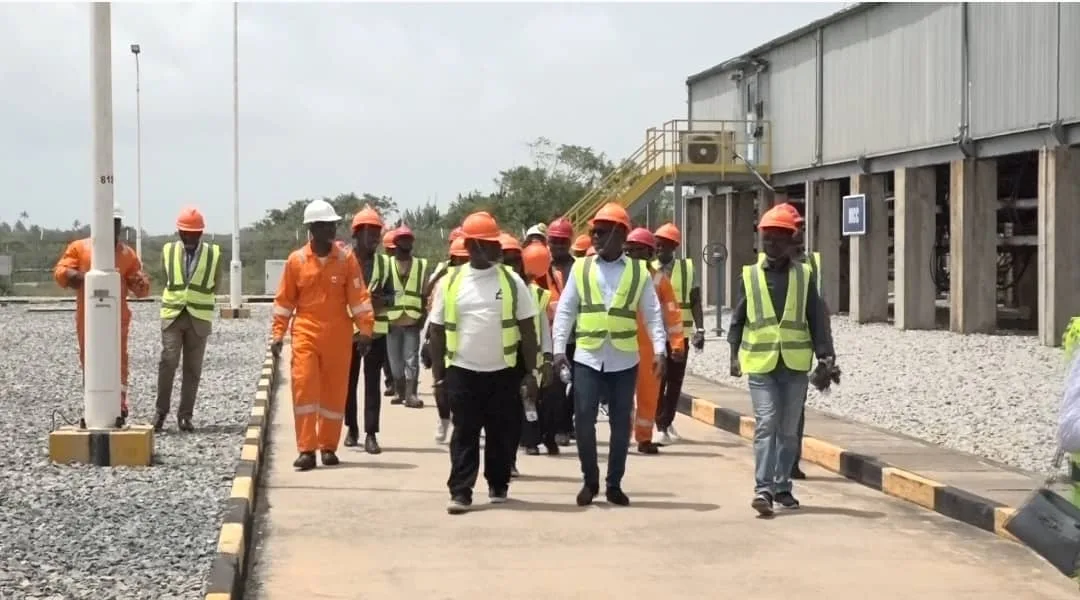 “The President made a commitment that we are going to build GPP II. The technical committee has finished its work and submitted the report. We are now waiting for Cabinet approval to begin construction of the second phase,” he stated.

According to Mr. Mensah, the additional processing plant will significantly increase Ghana’s gas handling capacity, improve supply reliability to thermal power plants, and support industrial expansion across the country.
He added that the project will be complemented by plans to expand the company’s onshore transmission pipelines and construct a third compressor station to optimise production.
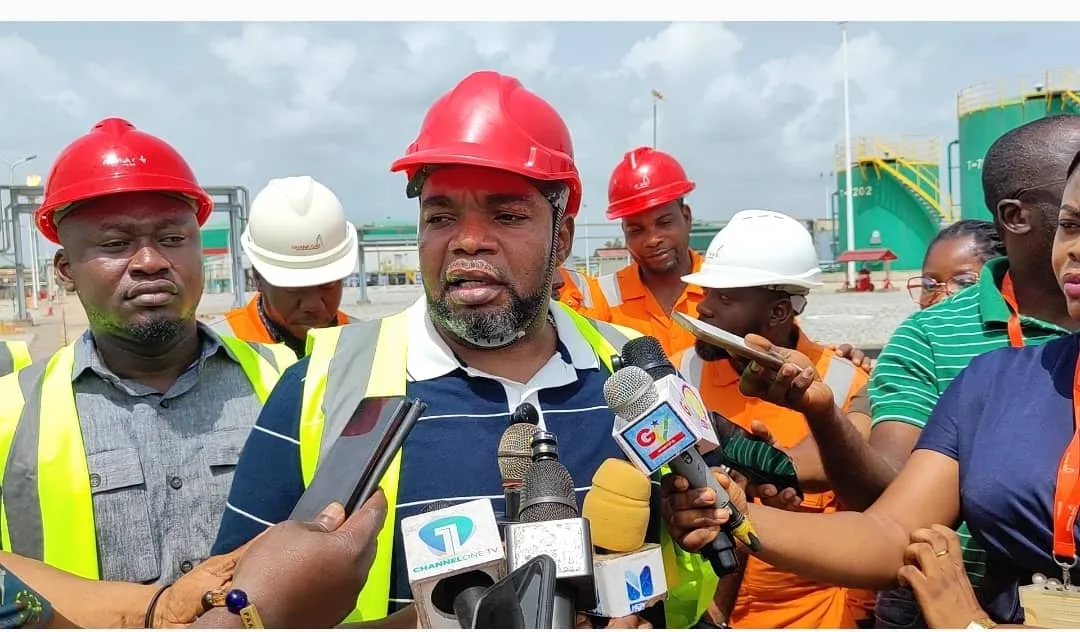 Adding his voice to the call for the speedy execution of the project, the Executive Secretary of the Chamber of Petroleum Consumers Ghana (COPEC), Mr. Duncan Amoah, described Ghana Gas as a “game changer” in the country’s energy sector.
He recalled that when Ghana first discovered crude oil, little attention was given to gas processing infrastructure, forcing the country to rely heavily on imported gas through the West African Gas Pipeline Company.
He noted that supply disruptions often occurred when payments were delayed, leading to power challenges.
“Today, Ghana is processing its own gas. It is feeding the thermal plants and keeping them running. Even when the power sector owes Ghana Gas, they do not shut off the supply. That alone has significantly improved our energy security,” he observed.
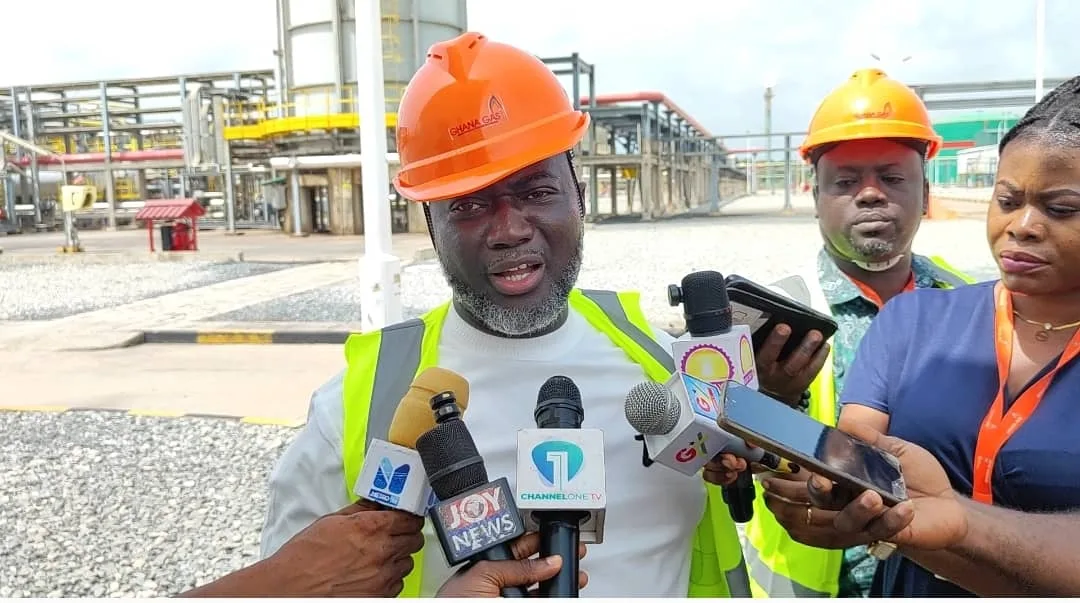 Mr. Amoah further underscored the impact of Ghana Gas on the domestic Liquefied Petroleum Gas (LPG) market, explaining that whereas Ghana previously imported 100 per cent of its LPG needs, the Atuabo plant now supplies about 50 per cent of national demand.
“If Train 2 comes on stream, we could become fully self-reliant in LPG and stop importing from Europe or elsewhere. That would save the country substantial foreign exchange,” he stressed.
He added that the completion of GPP II would also increase gas availability for thermal power generation and potentially position Ghana to supply gas to other countries within the sub-region.
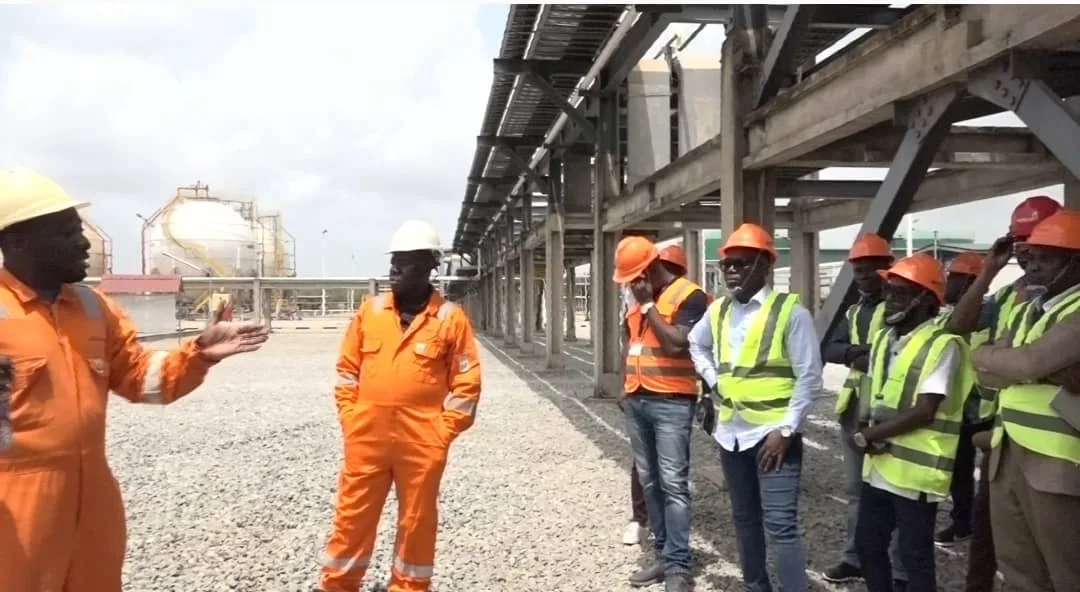
With additional hydrocarbon resources and new wells coming on stream, he argued that expanding processing capacity to about 200 million standard cubic feet per day would unlock greater economic value.
He therefore urged the government to expedite approval and implementation of the project, suggesting that the second train should be completed within 24 months to avoid continued revenue losses.
“The longer we delay, the more money we lose through imports. We have the resource. What we need now is the infrastructure to maximise it,” he stated.
The familiarisation tour formed part of Ghana Gas’s broader stakeholder engagement strategy aimed at promoting transparency, strengthening relationships with civil society organisations, and fostering informed public discourse on major national energy projects such as GPP II.
Source: Nana Fynn


