









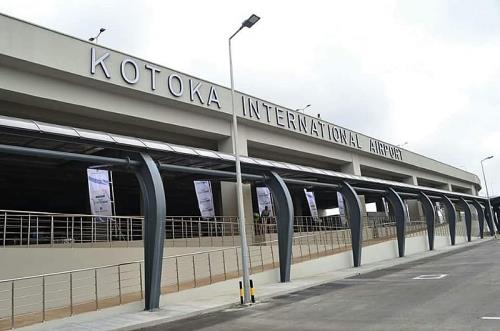















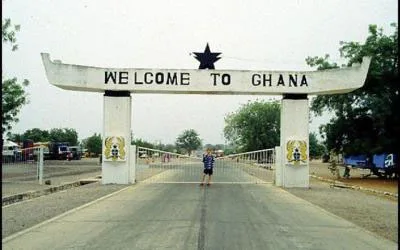
Thirty-six out of Ghana’s 48 legitimate border crossing points are not covered by electronic systems for capturing migrant data.
Only 12 crossing points out of the 36 currently have electronic data-capture support, with six supported by a system provided by the United States government and six others supported by the International Organisation for Migration (IOM).
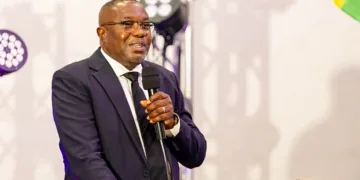
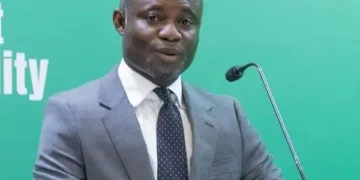
The Minister for the Interior, Mr Muntaka Mohammed-Mubarak, who disclosed this, said the situation has left significant gaps in the country’s migration data, with implications for border security, migration management and national planning.
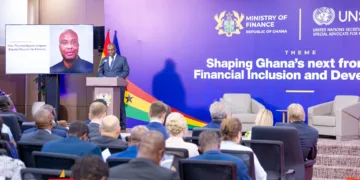
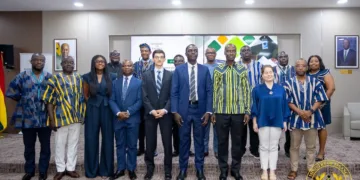
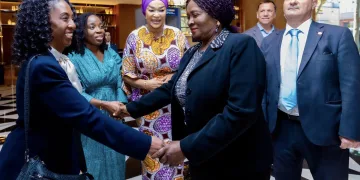
Addressing the official launch of the IOM Ghana Strategic Plan 2026–2028 in Accra yesterday, Mr Muntaka said the government was exploring locally developed solutions to expand electronic data collection across the remaining crossing points.
He expressed the government’s commitment to working with the IOM and other partners to ensure that migration data informed national decision-making.
The Minister said reliable information on cross-border movements was essential to strengthening border management and addressing emerging security threats.
He said the government would prioritise secure borders, protection of vulnerable migrants, emergency preparedness and stronger coordination among institutions responsible for migration management.
He explained that effective border governance must not only safeguard national security but also facilitate the legitimate movement of people and goods to support economic growth and regional integration.
The IOM Regional Director for West and Central Africa, Mrs Sylvia Ekra, challenged Ghana to ensure that the new strategy produced measurable improvements by 2028 rather than remain a policy document.
“Launching a strategy is not in itself an achievement. The real test will begin tomorrow,” she said.
She said the country should demonstrate stronger protection systems, more resilient communities, expanded regular migration pathways and improved opportunities for returning migrants to rebuild their lives.
Mrs Ekra said migration policies must be linked to employment, skills development and job opportunities for young people, while diaspora engagement should promote productive investment and national development.
The Chief of Mission of IOM Ghana, Togo and Benin, Mrs Fatou Diallo Ndiaye, said the strategy required collective ownership and action by government, development partners, civil society and other stakeholders.
She said migration was not merely about the movement of people but also the aspirations of young people, communities adapting to climate pressures and workers contributing their skills at home and abroad.
The Acting United Nations Resident Coordinator in Ghana, Mr Niloy Banerjee, also called for coordinated migration governance, noting its connections with climate change, livelihoods, health, education, peace and security.
The three-year strategy is anchored on protecting people on the move, finding solutions to displacement and facilitating safe and regular migration pathways.
Credit: Ghanaian Times