


Introduction
In the vibrant marketplaces of Ghana, a profound paradox often plays out: a nation blessed with agricultural abundance is simultaneously burdened by a devastating crisis of food glut.
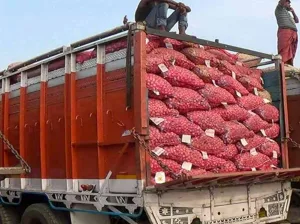
Trucks overflow with healthy harvests, yet our farmers are left weeping over prices that barely cover their fuel, and our landfills are choked with rotten food.
While the headlines focus on the economic shortfall due to the supply chain inefficiencies, the market price volatility, and the loss of potential revenue — they miss the subtle, true and corrosive danger (A direct confrontation with our moral conscience).

We have mastered the science of high-yield farming, achieving remarkable capacity to produce food but this ability, however, has been tragically mismatched by our failure to respect and manage the harvest.
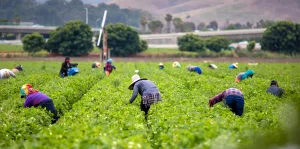
Every discarded food crop represents more than a lost in money, it signifies a betrayal of the resources extracted from the earth—the gallons of water, the nutrients from the soil, and the sheer human labor—all spent in a futile effort and turning food that is supposed to nourish our bodies and create wealth for the nation into food for the landfills.
A situation that best suit the definition “Ecological Ingratitude”.
The irony:
The scene is however a painful paradox.
Across Ghana’s breadbasket regions, from the fertile fields of the North to the sprawling farms of the Volta and Bono East, farmers are currently watching mountains of rice, maize, yam, tomatoes, plantain among other crops left with no buyers and perishable produce getting rotten.
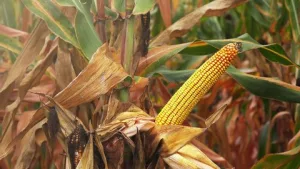
This isn’t a story of drought or failed harvests; it’s a story of being drowned by plenty, a result of overwhelming success.
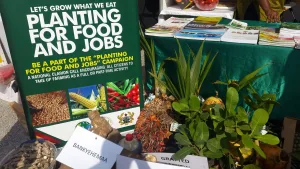
Years of policy focus on increasing production, such as the ‘Planting for Food and Jobs’ initiative have delivered a massive food glut, yet this abundance has become a severe misfortune for the farmers it was designed to help.
This crisis was brought home to me personally in two distinct ways.
Scrolling through my local vegan WhatsApp group, I saw a member trying to offload a ton of freshly harvested sweet potatoes at an unbelievably low price, met with very little interest in buying.
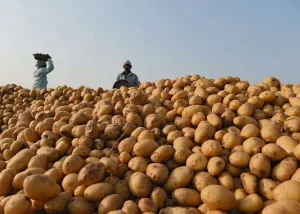
Then, I recently watched a YouTube video of Angel TVs morning show which featured a video on a news report of anguish Ghanaian onion traders stuck with trucks full of onions and helplessly watching an entire harvest decompose right before their eyes, a total loss due to lack of patronage.
This moral failing is most starkly illustrated by our persistent preference for foreign staples.
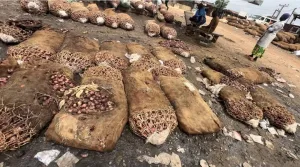
How can we justify allowing local onion farmers and/or rice farmers struggle, only to stock our shelves with imported onion powder and highly refined rice?
If we possessed a true national conscience, we would view the choice between local produce and imported ones not merely as a matter of price, but as a commitment to national resilience to better our economy.
Instead, we actively choose to undermine our own.
According to the Ghana Statistical Service(GSS) — in 2023 alone, Ghana imported approximately 2.9 billion cedis (US$197.5 million) of rice, accounting for 11% of the total food import bill which was over 26.7 billion cedis (US$ 1.8 billion) costing the nation hundreds of millions of dollars annually and undercutting the Ghanaian farmer.
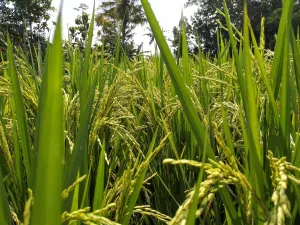
This capital exodus is compounded by a nutritional absurdity: the imported, polished white rice and perfumed varieties we favor are demonstrably inferior to our less valued local rice.
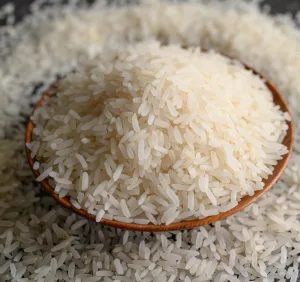
Comparing nutritional value, our local brown rice is high in fiber, protein, iron and magnesium which helps regulate blood sugar, crucial for managing diabetes and obesity.
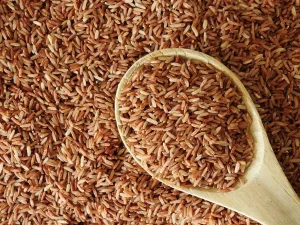
Whereas the imported polished rice lacks bran and germ layers that can contribute to rapid blood sugar spikes and provides mostly empty calories making it a bad option for managing diabetes and/or obesity.
This ethical and wealth migration extends far beyond grains.
We witness the cyclical tragedy of local tomato and onion farmers producing bumper crops only to see their perishable produce flood the market, crash prices, and ultimately rot.
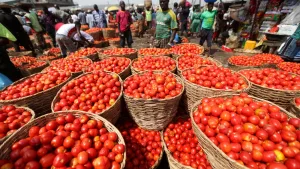
Simultaneously, Ghana spends vital foreign exchange importing massive quantities of canned tomato paste and processed sauces.
The failure here is twofold: First, the moral failure of leaving our farmers in despair.
Second, the structural failure of neglecting our industrial capacity.
The country severely lacks the processing factories capable of turning this seasonal glut of tomatoes into paste, puree, or other value-added products that could be stored for future use.
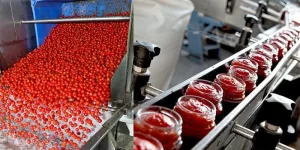
This absence of infrastructure ensures that the excess harvest bypasses the consumer and heads directly to the landfill, compounding the environmental cost with methane emissions while we spend scarce capital importing what we could easily produce.
Ghana, possessing a profound natural advantage—fertile lands, industrious farmers, and the rainfall to ensure abundant harvests stands in stark contrast to the dire situation facing many African countries.
The United Nations hunger hotspots report, published in June 2025, warns that African countries, including Sudan, Mali, Congo, Nigeria, Burkina Faso, Chad, and Somalia, are on the verge of famine.
Also, according to the 2025 world health organization’s report on the State of Food Security and Nutrition in the World, global hunger declined, but rises in Africa and western Asia.
This single instance mirrors the national catastrophe: the surplus, which should secure our future, is instead crumbling into an estimated $3.2 million metric tons of food loss and waste annually (Source: UNEP, Global Food Banking).
This is the ultimate ethical failure: we have a food glut coexisting with food poverty.
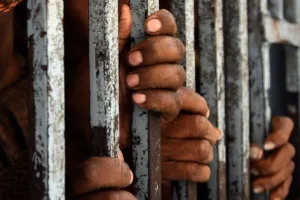
Despite the surplus, there are still people on our streets and in our prison facilities who do not get nutritious and/or enough food, which goes to indication how our food management and supply chain is fundamentally broken.
Call for Action:
We will never solve this fundamental systemic flaw until we shift our focus beyond mere economics.
We must first acknowledge the profound moral debt we accrue when we allow sustenance to become disposable.
Growing up, my mother and the adults around me constantly reiterated this principle: “food should never end up in the dustbin”.
This deeply ingrained Ghanaian value, which frowns upon waste, makes the current crisis all the more tragic.
Conclusion:
The true cost of Ghana’s food surplus is not simply measured in dollars; it is measured in the dignity of the farmer who is bankrupted by his own success, and in the sheer ethical failure of tolerating such waste while food insecurity persists in communities across the country.
It is time to stop treating food as a cheap, endless commodity.
We must begin to view it as a sacred resource demanding respect.
The writer is a Food Journalist, Certified Vegetarian Chef and a Sustainable Lifestyle Advocate.
Website: hawassustainablejournal.com
Email: greencornish13@gmail.com
whatsApp: 0537 980 740


