


The future of Ghana’s cultural identity and tourism potential lies in planting the seeds of heritage in the hearts of our youngest citizens—right at the basic‑school level.
To achieve this, schools must become vibrant incubators of tradition, pride, and entrepreneurial spirit, nurturing children who will grow into guardians of Ghanaian culture and champions of national tourism.
To start, creating vibrant culture and tourism clubs in every basic school gives pupils a fun, interactive space to explore Ghanaian traditions, folklore, music, and historic sites.
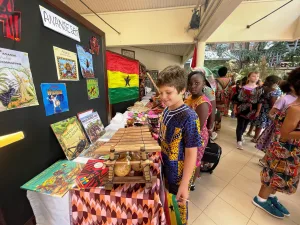

These clubs should organize field trips to local heritage sites, storytelling sessions with elders, and craft workshops that celebrate indigenous arts.
By making cultural engagement extracurricular yet compulsory, students develop pride and curiosity about their roots, laying the groundwork for future tourism ambassadors.
Moreover, integrating local foods into school meal programs does more than nourish bodies—it nourishes identity.
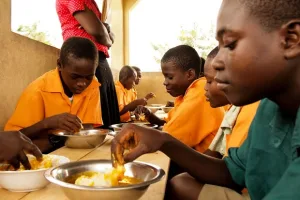
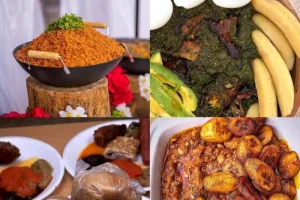
Preparing and celebrating Ghanaian dishes like _fufu_, _jollof rice_, or _kenkey_ in schools should be paired with lessons about the origins and significance of each dish.
This sensory experience embeds cultural appreciation and showcases Ghanaian gastronomy as a tourism asset, inspiring pupils to value and promote their culinary heritage.
In addition, elevating culture and tourism to a core subject in the curriculum ensures systematic education about Ghana’s heritage, landmarks, and traditions.
The syllabus should blend history, geography, and practical skills such as guiding or event organization, with examinations and projects focused on local attractions.
This academic emphasis encourages deep research into community tourism potentials and instills a scholarly respect for cultural legacy.
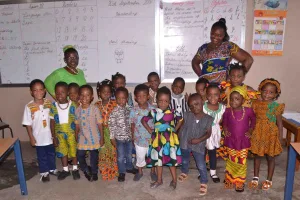
Meanwhile, adopting African prints as regular elements of school uniforms visually reinforces cultural pride and showcases Ghanaian textile artistry to visitors and the wider community.
Uniforms featuring _kente_ or _adinkra_ designs turn schools into living showcases of heritage, inspiring tourism interest in local fabrics and craftsmanship and making cultural expression a daily experience for students.
Furthermore, launching community‑school heritage projects partners schools with local museums, chiefdoms, or tourism boards to run joint initiatives such as documenting oral histories, restoring traditional sites, or organizing cultural festivals.
These collaborations give students real‑world experience in preserving and promoting heritage, while positioning communities as attractive tourist destinations and fostering community‑school bonds.
Also, introducing cultural immersion days designates specific times where the entire school engages in traditional rituals, dances, or language lessons (e.g., Twi, Ga, Ewe).
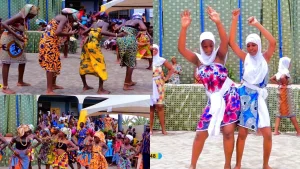
Immersive experiences deepen emotional connections to culture and provide authentic performances that can later be marketed as tourism experiences, ensuring students live and breathe their heritage.
Likewise, training teachers as cultural mentors equips educators with specialized knowledge in Ghanaian history, traditions, and tourism basics.
Empowered teachers can inspire students with authentic narratives and guide extracurricular activities that highlight cultural assets, making the school environment a conduit for heritage transmission.
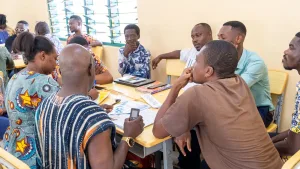
In the same vein, promoting student‑led tourism initiatives encourages pupils to design mini‑tourism packages for their communities—mapping attractions, creating brochures, or guiding visitors.
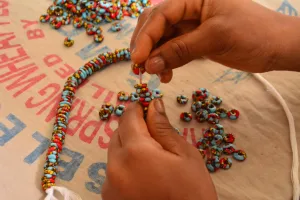
This entrepreneurial approach nurtures leadership and showcases Ghana’s cultural wealth to potential tourists, turning young learners into active promoters of local tourism.
Additionally, leveraging technology for cultural showcase means using digital platforms in schools to create virtual tours of local heritage sites or document cultural practices.
Students can produce multimedia presentations that later become online tourism resources, blending modern tech with traditional knowledge to broaden the reach of Ghanaian culture.
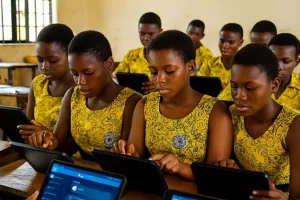
Lastly, institutionalizing awards for cultural excellence introduces school recognitions for outstanding cultural projects or performances, celebrating students who champion Ghanaian heritage.
Celebrating achievements motivates peers and draws community attention to the school’s cultural initiatives, boosting local tourism interest and reinforcing the value of cultural engagement.
By weaving all these strategies into the fabric of Ghanaian basic schools, we forge a generation that not only respects and lives its culture but also becomes the driving force behind a thriving, heritage‑centric tourism industry.
The result will be a Ghana where every child grows up knowing their roots, proud of their identity, and equipped to showcase their nation’s unique cultural wealth to the world.


